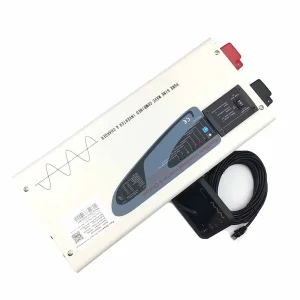
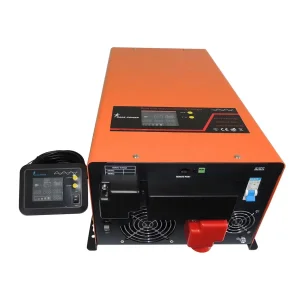
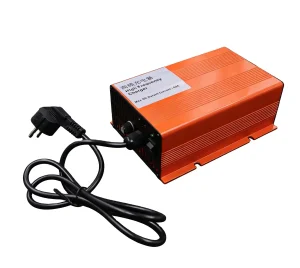
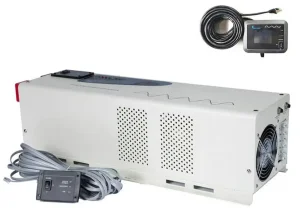
Verified factory-direct 3000W to 20kW pure sine wave energy solutions engineered for global compliance.
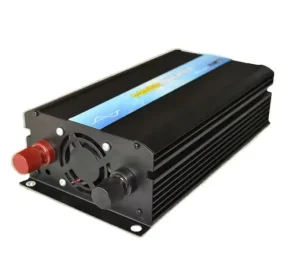
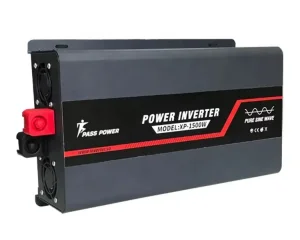
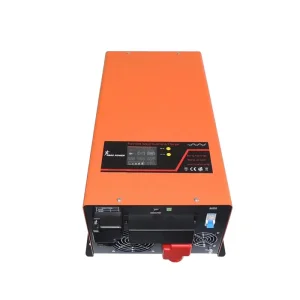
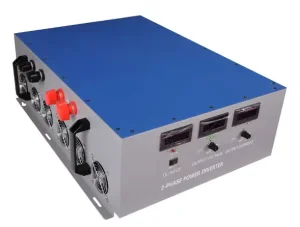
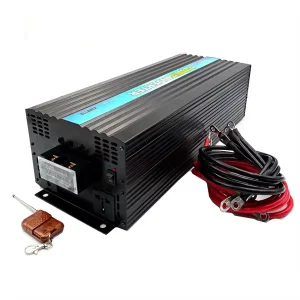
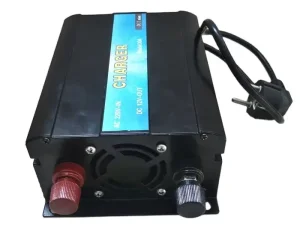
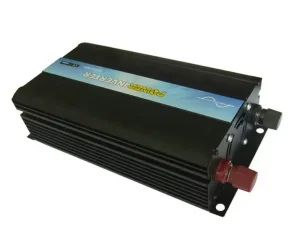
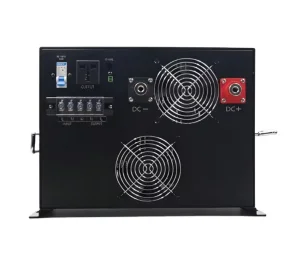
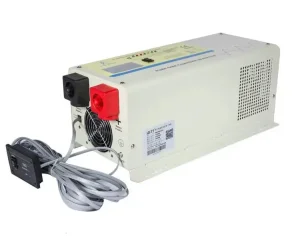
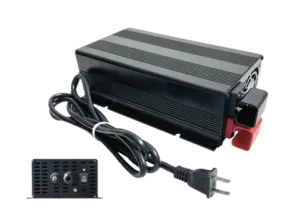
In the contemporary energy landscape, the request for decentralized, off-grid, and microgrid electrification solutions has reached unprecedented levels. Commercial procurement directors, energy EPC (Engineering, Procurement, and Construction) contractors, and OEM distributors are continually evaluating high-reliability power converting equipment. At the core of this industrial surge is the 3000W Pure Sine Wave Solar Hybrid Inverter with integrated MPPT (Maximum Power Point Tracking) controllers.
Unlike standard high-frequency modified sine wave units that introduce significant Total Harmonic Distortion (THD) and thermal stress to connected inductive loads, industrial-grade 3000W pure sine wave hybrid systems offer seamless electrical wave matching comparable to—and frequently exceeding—the purity of central utility grids. Understanding the micro-architecture, transformer topology choices, thermal dissipation mechanisms, and regulatory boundaries is essential for enterprise buyers seeking robust performance across extreme environments.
When selecting a 3000W hybrid power supplier, enterprise buyers face an architectural fork in the road: High-Frequency (HF) switching topologies versus Low-Frequency (LF) heavy-duty toroidal transformer topologies. Each mechanism presents specific engineering tradeoffs:
| Technical Parameter | Low-Frequency Toroidal 3000W | High-Frequency MOSFET/IGBT 3000W | Procurement Impact |
|---|---|---|---|
| Surge Capacity (Peak Power) | 9000W (300% / 10s) | 6000W (200% / 1s) | LF handles heavy inductive pump/motor start-ups without tripping. |
| Galvanic Isolation | Full Copper Toroidal Isolation | Optocoupler / Digital Isolation | LF offers maximum lightning & back-EMF protection for sensitive sites. |
| Idle Consumption (No Load) | 25W – 45W (Higher) | 12W – 20W (Optimized) | HF preferred for ultra-low power standby solar telecom nodes. |
| Weight & Shipping Volume | 18 kg – 24 kg (Heavy) | 7 kg – 11 kg (Lightweight) | HF significantly lowers air-freight & drop-shipping logistics TCO. |
| Total Harmonic Distortion (THD) | < 2% Linear / < 3% Non-linear | < 2.5% Linear / < 5% Non-linear | Both protect high-end medical, telecom, and audio equipment. |
Key technical parameters required by commercial project managers, municipal developers, and global importers.
A premier 3000W hybrid inverter must integrate a wide High-Voltage PV input stage (up to 450VDC or 500VDC open-circuit voltage). This permits long panel stringing, dramatically lowering field balance-of-system (BOS) wiring costs and maximizing solar harvesting during low-irradiance dawn/dusk hours via ultra-fast Perturb & Observe algorithms.
Modern energy storage requires seamless digital handshake mechanisms with Lithium Iron Phosphate (LiFePO4) battery systems. Sourcing criteria demand dual RS485/CANbus communication interfaces supporting native protocols (Pylontech, Volthium, Seplos) with customizable bulk, absorption, float, and equalization voltage parameters.
For uninterruptible power supply (UPS) grade execution, the internal AC transfer switch must shift loads between solar/battery power and utility grid/diesel generator power in less than 10 milliseconds. This ultra-fast transition prevents computer reboots, server drops, and industrial controller fault trips during sudden grid blackouts.
When procuring 3000W hybrid solar systems in bulk volume (container-level loads), upfront FOB equipment cost represents merely 35% of the overall 10-year lifecycle cost. Smart enterprise buyers compute the following financial vectors:
Decades of industrial cluster development deliver unmatched cost efficiency, rapid engineering iteration, and component availability.
Located in key hubs such as Suzhou and Jiangsu, tier-1 power inverter manufacturers operate within 50 kilometers of component raw material suppliers—including high-frequency magnetic cores, copper windings, aluminum heat sinks, and enclosure metal stamping facilities. This proximity reduces component lead times from weeks to hours.
Leading exporters implement strict four-stage quality assurance: Incoming Quality Control (IQC) on semiconductor wafers, In-Process Quality Control (IPQC) during automated SMT surface mounting, 100% full-load thermal burn-in testing under 50°C ambient conditions for 24 hours (FQC), and pre-shipment Outgoing Quality Control (OQC).
China's manufacturing infrastructure enables deep engineering customizations impossible in western factories. Exporters customize input DC voltage rails (12V/24V/48V/96V/380V), split-phase AC output topologies (120V/240V), custom communication protocols, personalized LCD user interface screens, and private-label chassis colorways with low minimum order quantities (MOQs).
From mobile RV installations to critical off-grid infrastructure, explore engineered deployment topologies.
Mobile deployments demand high vibration resistance and compact integration. A 3000W hybrid inverter operates as the core power center in travel trailers, overland rigs, and emergency response vehicles—running roof air conditioners (12,000–15,000 BTU), power tools, and induction cooktops off a 24V or 48V LiFePO4 battery array while seamlessly charging via solar panels or vehicle alternator isolators when moving.
In rural communities, island cabins, and regions with unstable electrical grids, a 3000W 48V pure sine wave inverter acts as a primary energy manager. Paired with a 4kW to 5kW solar array, it supplies continuous power for household refrigeration, LED lighting, communications, water filtration pumps, and entertainment systems, dynamically switching to generator power during prolonged inclement weather.
Cellular base transceiver stations (BTS), border security monitoring posts, and weather telemetry stations require uninterrupted 24/7/365 operational availability. Hybrid 3000W inverters featuring SNMP/GPRS remote cloud monitoring enable central command centers to track real-time battery state of charge (SoC), PV harvesting curves, and ambient operating temperatures across distant field installations.
Navigating regional electrical codes, safety standards, and aftermarket logistics.
Importing power hardware requires strict alignment with localized regulatory frameworks to clear customs, ensure insurability, and guarantee end-user safety. Premier Chinese manufacturers provide comprehensive certification packages tailored to destination markets:
To enter the European Union, UK, and South American markets, 3000W hybrid inverters must comply with LVD (Low Voltage Directive 2014/35/EU) and EMC (Electromagnetic Compatibility 2014/30/EU). Test standards EN 62109-1 and EN 62109-2 dictate safety requirements for power converters in photovoltaic systems, ensuring insulation resistance, fire enclosure integrity, and low radiated electrical noise.
Sourcing for North America requires units engineered for 110V/120V single-phase or 120V/240V split-phase outputs. Conformance to UL 1741 (Inverters, Converters, Controllers and Interconnection System Equipment) and FCC Part 15 Class B radiation standards is critical. For Australia and New Zealand, accredited SAA / RCM certification ensures grid anti-islanding protection and electrical safety compliance.
Sourcing hardware from overseas factories historically raised concerns regarding technical service response times. Modern top-tier suppliers overcome this geographic barrier through strategic service modeling:
Next-generation semiconductor materials, AI-driven energy management, and bi-directional EV integration.
The power electronics sector is transitioning from traditional Silicon MOSFETs to Silicon Carbide (SiC) wide-bandgap transistors. SiC technology enables ultra-high switching frequencies, lowers thermal dissipation losses by 40%, and reduces overall inverter dimensions, raising hybrid efficiency toward the 98% benchmark.
Future 3000W hybrid inverters incorporate edge AI algorithms within microcontrollers. By analyzing historical power consumption patterns, local weather forecast data, and dynamic time-of-use (TOU) electricity pricing, the inverter dynamically calculates optimal battery charge/discharge cycles to minimize total grid costs.
Next-gen hybrid inverters support Vehicle-to-Home (V2H) and Vehicle-to-Grid (V2G) power routing. A 3000W unit will not only take power from stationary battery walls but also interact seamlessly with electric vehicle battery packs, serving as a dynamic building block within broader virtual power plants (VPPs).
Expert answers to common engineering, sizing, and importing inquiries regarding 3000W hybrid systems.
Explore specialized high-voltage, 3-phase, and low-frequency hybrid units designed for commercial export.