


Direct factory supply of high-efficiency pure sine wave inverters, multi-phase charging systems, and battery isolator solutions engineered for commercial and off-grid reliability.
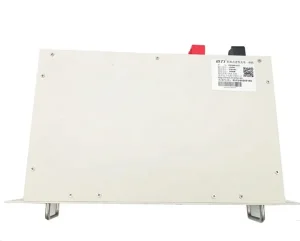
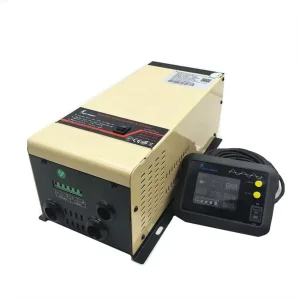
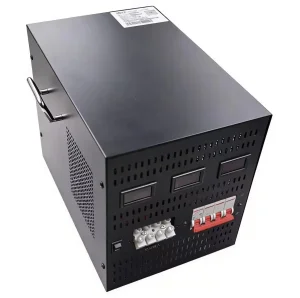
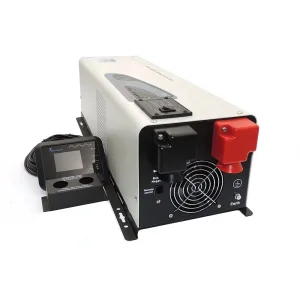
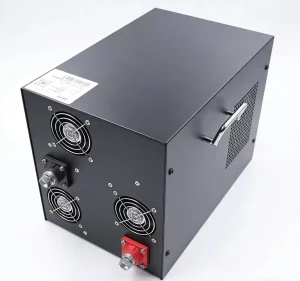
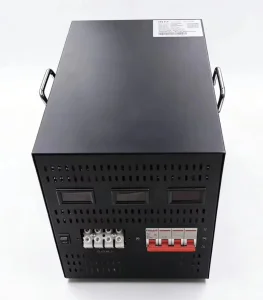
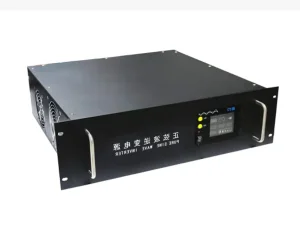
In modern vehicular, marine, and off-grid power management, a Dual Battery Isolator serves as an intelligent automated gateway that seamlessly manages power distribution between a primary starting (starter) battery and a secondary auxiliary (house/service) battery bank. Engineered to prevent total battery depletion while optimizing alternator charging efficiency, high-performance battery isolation is vital for operational continuity.
Traditional mechanical solenoids suffer from continuous voltage draw and arching contact wear. Modern Voltage Sensitive Relays (VSR) manufactured in our automated facilities utilize high-precision microcontrollers to constantly sense system voltage. When the alternator charges the starter battery up to 13.3V (26.6V for 24V systems), the VSR engages automatically to charge the auxiliary battery. Once the engine halts and voltage drops below 12.8V (25.6V), the isolator disengages instantly, electrically isolating the starter battery.
For high-frequency commercial fleets and sensitive marine instruments, semiconductor-based solid-state battery isolators replace moving mechanical contacts entirely. Utilizing ultra-low Rds(on) power MOSFET arrays, solid-state isolators eliminate voltage drop (< 0.02V across terminals) compared to legacy diode isolators (which incur 0.7V-1.2V drops). This maximizes charging current transfer, prevents alternator overheating, and reduces fuel consumption.
Next-gen dual battery isolators integrate intelligent bi-directional sensing algorithms. If an auxiliary battery bank is connected to solar panels, land shore power, or an onboard AC generator inverter charger system, the dual battery isolator detects the elevation in auxiliary battery voltage (> 13.5V) and reverse-engages to top off the engine starter battery. This ensures starting readiness regardless of vehicle downtime.
Selecting the ideal battery management component depends on load parameters, alternator output, temperature profiles, and battery chemistry (Lead-Acid vs. LiFePO4). The technical matrix below highlights the engineering trade-offs provided by specialized OEM manufacturers.
| Isolation Technology | Voltage Drop | Peak Ampere Rating | Lithium (LiFePO4) Compatibility | Thermal Dissipation Efficiency | Best Application Use Case |
|---|---|---|---|---|---|
| Microprocessor VSR | < 0.05V (Relay Contacts) | 140A – 300A Continuous | Medium (Requires tuned cut-out voltage) | High (Low standby current < 5mA) | Caravans, 4WDs, Light Commercial Fleets |
| Solid-State FET Isolator | < 0.01V – 0.02V | 200A – 500A Peak | High (Zero voltage drop boost) | Extreme (Aluminum heatsink housing) | Marine Yachts, Heavy Mining Vehicles |
| Silicon Diode Isolator (Legacy) | 0.7V – 1.2V Drop | 70A – 160A | Poor (Undercounts battery charge profile) | Low (Generates significant heat) | Legacy Automotive, Vintage Marine |
| Hybrid DC-DC Charger-Isolator | Regulated Boost Output | 30A – 60A Continuous | Native (Custom 3-stage LiFePO4 curves) | Optimized Active Cooling | High-End RVs, Emergency EMS Response Vehicles |
As a tier-one Dual Battery Isolator Manufacturer operating out of advanced electronic manufacturing hubs in China, our facilities bridge world-class component sourcing, automated production automation, and stringent automotive testing protocols.
Our SMT (Surface Mount Technology) assembly lines integrate Yamaha high-speed placement heads alongside 3D AOI (Automated Optical Inspection) units to ensure flawless PCB soldering for current-sensing micro-controllers. Fully automated silicone potting processes guarantee IP67/IP68 waterproof and shock-resistant isolation modules built for extreme off-road vibrations.
By directly sourcing AEC-Q100 automotive-grade semiconductor components, pure copper contact terminals, and flame-retardant PC/ABS housings from top-tier local materials suppliers, our factory reduces manufacturing lead times to under 15 days. Every dual battery isolator undergoes automated burn-in and functional current testing before final packaging.
We offer extensive private labeling options, custom housing colors, molded terminal cover branding, custom cut-in/cut-out voltage programming, and customized wiring harness kits. Global distributors benefit from flexible MOQs and direct engineering prototype samples delivered within 7 working days.
Dual battery isolation systems are critical components across diverse sectors requiring mobile power reliability. Discover how custom isolators engineered by our factory integrate into complete off-grid power ecosystems.
Off-road travelers rely heavily on secondary batteries to power portable refrigerators, lighting, and pure sine wave inverters. Our smart dual battery isolators prevent starting battery drain while vehicles are parked at campsites, providing automatic re-connection during vehicle transit to rapidly top off AGM or LiFePO4 house batteries.
Saltwater environments demand rigorous IP68 corrosion protection. Our marine-grade dual battery isolators utilize tinned copper studs, stainless steel hardware, and epoxy-encapsulated electronics. They isolate navigation systems and emergency electronics from heavy bilge pump current spikes and engine starting surges.
Mission-critical response vehicles carry extensive radio communication gears, medical equipment, and high-intensity strobe lighting. Factory OEM battery isolators feature emergency manual override switches, enabling operators to jump-start the vehicle using the auxiliary battery bank during starter emergency failure.
Direct procurement from our ISO-certified factories ensures streamlined customs clearance, rigorous international quality standards, and total supply chain compliance for wholesale buyers worldwide.
All manufactured dual battery isolator series comply fully with global electromagnetic and environmental safety mandates: CE (EN 61000-6-3 / EN 61000-6-1), FCC Part 15 Class B, RoHS Directive 2011/65/EU, and E-Mark (ECE R10) automotive certification for European commercial vehicle integration.
Our quality control workflow encompasses incoming raw component inspection (IQC), in-process SMT optical verification (IPQC), 100% full-load thermal burn-in aging under 60°C ambient temperatures (FQC), and final outbound pre-shipment sampling (OQC) adhering to AQL 0.4 standards.
We support versatile procurement arrangements including EXW, FOB Ningbo/Shanghai, CIF, DDP express shipping, and custom palletized sea freight packaging. Our dedicated OEM account managers provide multi-lingual technical assistance, warranty spares, and detailed technical datasheets.
As automotive power delivery transitions toward smart alternators (Euro 5/6+ smart alternators with regenerative braking) and high-density Lithium Iron Phosphate (LiFePO4) chemistries, battery isolation engineering is evolving rapidly.
Modern Smart Alternators dynamically lower output voltage below 12.6V to reduce engine emissions. Future-ready dual battery isolators integrate dedicated ignition-feed sensing wires (IGN detection) and dynamic voltage thresholds, ensuring proper isolation engagement even when ECU-controlled alternators temporarily drop output voltage.
Enterprise fleet management demands real-time monitoring of power assets. Our engineering roadmap incorporates RV-C and CAN-bus communication protocols into smart isolators, enabling fleet operators to monitor battery voltage status, current transfer rates, and thermal warnings on centralized dashboard screens or cloud telemetry platforms.
Next-generation solid-state isolators under R&D utilize Wide Bandgap (WBG) Silicon Carbide (SiC) semiconductor switches. SiC technology enables ultra-compact isolator footprints capable of handling continuous current up to 600A while operating reliably at elevated temperatures exceeding 150°C without thermal throttling.
To guarantee effortless integration for vehicle upfitters and regional distributors across North America, Europe, Australia, and South America, our factory maintains rigorous environmental compliance standards and offers localized regional customization.
Designed to withstand harsh off-road environments, our dual battery isolators are engineered against heavy mechanical shock, vibration, humidity, and salt spray exposure in compliance with SAE J1455 automotive heavy-duty standards.
Commitment to sustainable manufacturing means our dual battery management products are fully compliant with EU REACH chemical regulations and WEEE electronic waste recycling guidelines, minimizing environmental footprint.
To assist regional upfitters, we provide pre-crimped copper cable harness options, inline MIDI fuses, brass battery terminal connectors, and customized installation hardware kits designed for simple plug-and-play installation.
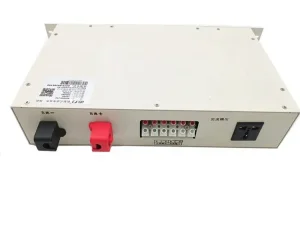
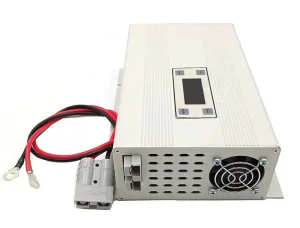
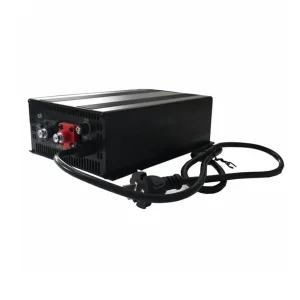
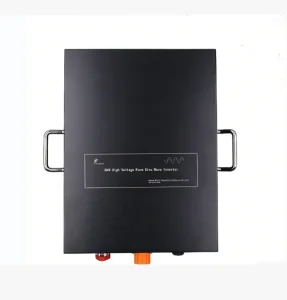
Explore our complementary product line including multi-stage smart battery chargers, hybrid MPPT solar converters, and industrial power equipment.
Comprehensive technical answers provided by our engineering team to help global procurement managers select the correct battery isolation hardware.
