


Explore high-efficiency hybrid chargers, pure sine wave power inverters, and multi-stage intelligent maintainers engineered for rigorous automotive, RV, and off-grid deployments.
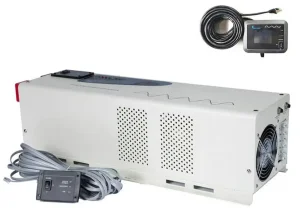
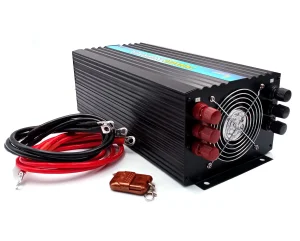
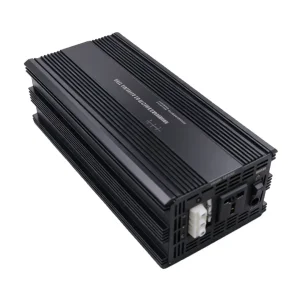
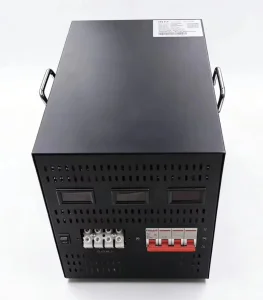
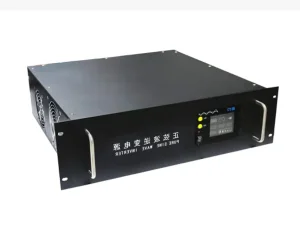
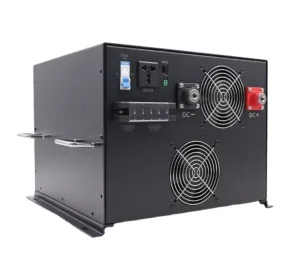
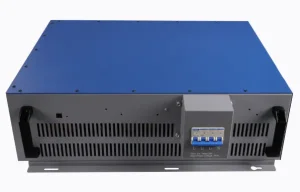
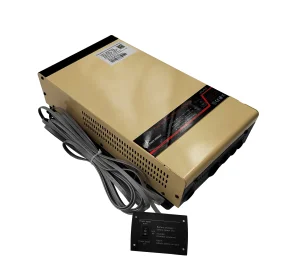
An authoritative analysis of commercial demands, battery chemistry evolutions, and the paradigm shift from basic constant-voltage trickling to intelligent multi-stage maintenance topographies.
The global automotive battery maintenance sector is experiencing a profound technological transformation. Driven by the rapid proliferation of electronic control units (ECUs), telematics, keyless entry systems, and continuous parasitic draws in modern internal combustion engine (ICE) vehicles, hybrid electric vehicles (HEVs), and electric vehicles (EVs), the demand for high-reliability auto battery trickle chargers and smart maintainers has reached an all-time peak. Sourcing executives, automotive brand owners, and fleet procurement managers must navigate a highly complex supply chain landscape where product performance directly dictates customer retention and brand equity.
Information Gain Insight: Modern automotive batteries rarely fail due to sudden catastrophic plate collapse; instead, over 78% of field failures stem from chronic undercharging, severe sulfation during extended idle periods, and thermal degradation caused by unregulated manual charging. Smart trickle chargers engineered with dynamic Microcontroller Units (MCUs) mitigate these risks by dynamically matching charging curves to chemistry-specific internal resistance signatures.
Historically viewed as seasonal accessories for classic car collectors or winter storage, automatic battery maintainers have evolved into mandatory maintenance tools across diverse industrial verticals:
Dissecting the electrical engineering parameters that distinguish high-grade industrial maintainers from low-cost consumer units.
Utilizing high-frequency Pulse-Width Modulation (PWM) and resonant LLC topologies, modern factories produce compact, lightweight maintainers operating at 100kHz–300kHz switching frequencies, delivering up to 95% electrical efficiency and minimal idle current draw.
Advanced algorithmic maintenance: Desulfation, Soft Start, Bulk Charge, Absorption, Battery Diagnostic/Analysis, Float Maintenance, and Pulse Maintenance. This multi-phase process restores aged lead-acid plates and protects lithium LiFePO4 BMS modules.
Integrated NTC thermistors continuously sense ambient temperatures, adjusting float voltages up in freezing environments (preventing undercharging) and lowering voltages in high heat (eliminating gassing and electrolyte boil-off).
Understanding the technical differences between legacy unregulated transformer-based trickle chargers and microprocessor-controlled smart maintainers is vital for procurement engineering:
| Performance Parameter | Legacy Linear Trickle Charger | Smart MCU Battery Maintainer | Industrial Multi-Bank Charger |
|---|---|---|---|
| Internal Topology | Heavy Iron Core Transformer / Bridge Rectifier | Switch Mode Power Supply (SMPS) + MCU | Resonant LLC / GaN Semiconductor |
| Charging Logic | Unregulated Uncontrolled Trickle Amperage | 7-Stage Dynamic Micro-Step Algorithm | Multi-Channel Independent MCU Profiles |
| Risk of Overcharging | High (Continuous current boils electrolyte) | Zero (Automatic Float / Cut-off Mode) | Zero (Active Isolation & Safety Relays) |
| Battery Compatibility | Basic Flooded Lead-Acid only | AGM, GEL, EFB, Wet, LiFePO4 (Lithium) | Universal Auto-Detect Multi-Chemistry |
| Desulfation / Recovery | None | High-Frequency Pulse Repair (1.5kHz-3kHz) | Automated Deep Pulse Desulfation Curve |
| Standby Idle Consumption | 3W – 8W continuous power waste | < 0.5W (DOE Level VI Compliant) | < 0.8W Eco Standby Mode |
Analyzing the scale, speed, supply chain density, and technical quality controls that position Chinese auto battery charger factories as world-class manufacturing partners.
The dominant position of Chinese power electronics manufacturers in the auto battery charger market is supported by a comprehensive industrial ecosystem. In manufacturing clusters across Jiangsu (such as Suzhou), Zhejiang, and Guangdong, factories benefit from immediate proximity to semiconductor distributors, custom toroidal and high-frequency transformer winders, flame-retardant injection molding facilities, and certified wire harness suppliers.
Tailoring battery maintainers to severe environmental conditions, regional electrical standards, and specialized commercial applications.
In Northern Europe, Canada, and the Northern US, trickle chargers require ultra-flexible silicone cabling rated to -40°C, winter-specific cold-charge modes (increasing float voltage to 14.8V/29.6V), and rugged IP65/IP67 weatherproof enclosures.
For Southeast Asia, the Middle East, and coastal regions, chargers feature conformal PCB coating, stainless steel hardware, anti-salt-spray treatment, and active over-temperature throttling to prevent condensation damage.
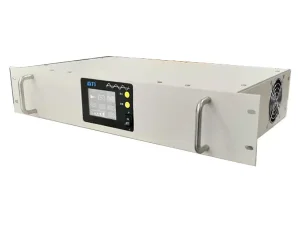
Industrial fleet workshops demand heavy-duty rack-mounted chargers with CAN bus or RS485 communication protocols, allowing central management systems to monitor the charging status of multiple vehicle batteries simultaneously.
When selecting a supplier or OEM factory for auto battery trickle chargers, purchasing directors should mandate strict compliance with international standards and manufacturing audits:
Key technological advancements reshaping the future of battery maintenance hardware over the next decade.
As battery chemistry shifts from traditional Flooded Lead-Acid toward Absorbed Glass Mat (AGM), Enhanced Flooded Batteries (EFB), and Lithium Iron Phosphate (LiFePO4), battery trickle chargers are undergoing rapid innovation:
Next-generation maintainers integrate Bluetooth Low Energy (BLE) and Wi-Fi modules, enabling vehicle owners and fleet managers to view real-time state-of-charge, voltage graphs, and historical health metrics directly on their smartphones.
Replacing traditional Silicon MOSFETs with GaN power transistors allows factories to shrink trickle charger casing volumes by 40% while raising energy efficiency above 96%, reducing heat dissipation drastically.
LiFePO4 batteries feature internal Battery Management Systems (BMS) that disconnect power upon deep discharge. Advanced chargers generate specialized low-current pulse signals to "wake up" sleeping BMS protection boards safely.
Clear, authoritative answers addressing technical specification, factory capabilities, and procurement procedures.
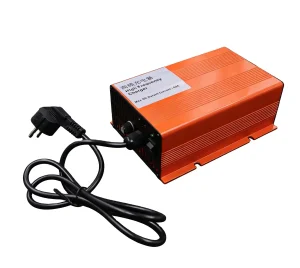
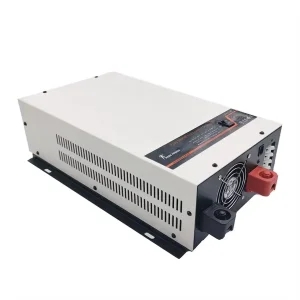
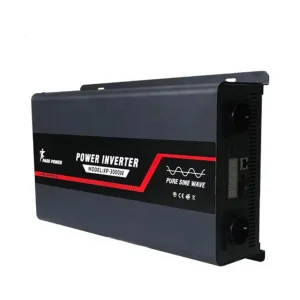
Explore our comprehensive portfolio of portable chargers, rack-mounted power converters, and high-frequency inverters built for OEM distributor supply chains.
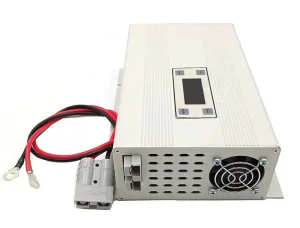
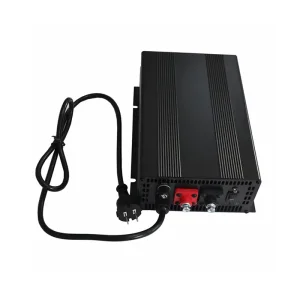
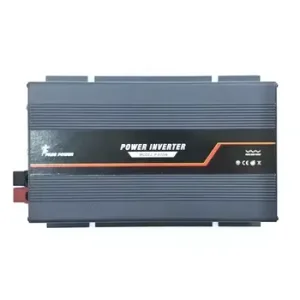
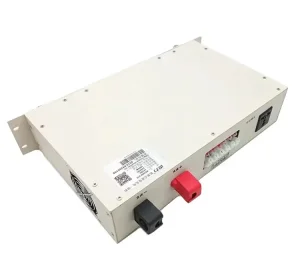
Partner with an ISO 9001:2015 certified manufacturer. Request full product datasheets, factory compliance documentation, and factory-direct pricing for your target market.
Request OEM Technical Proposal