Best Cart Battery Charger Manufacturers & Exporters

Global Industrial Whitepaper & Strategic Engineering Sourcing Guide for Heavy-Duty Electric Cart Chargers, High-Frequency Inverter Integration, and Fleet Power Management

Featured OEM/ODM Solutions

Primary Industrial Power Electronics & Charging Units

Engineered to rigorous ISO 9001:2015 and CE/RoHS global standards, our primary product series combines high efficiency, multi-voltage versatility, and rugged industrial reliability for cart and off-grid power systems.
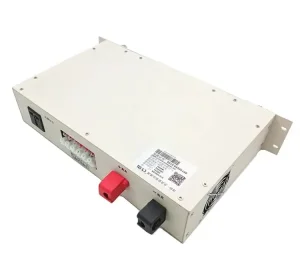
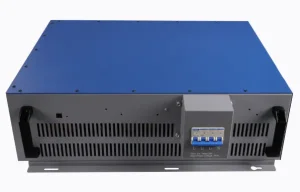
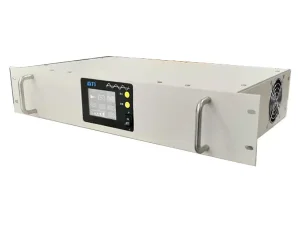
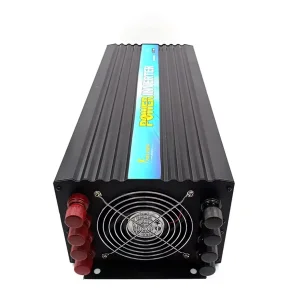
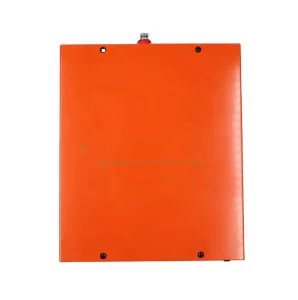
ODM Maili 4000W Pure Sine Wave Charging Inverter
ODM Maili 4000W 230VAC±3% Single Rack-mounted Pure Sine Wave Charging Inverter 50/60Hz 95% Efficiency Multiple Protection Functions Supplier, Products
View Specification
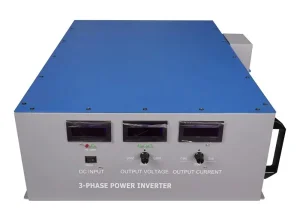
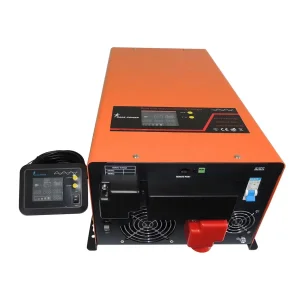
ODM ML-15KW-3P 3 Phase High Frequency Inverter
ODM ML-15KW-3P CE CB ROHS certified Customized 15kVA 3 Phase High Frequency Inverter 24v 48v DC to 190v 380v AC 15kw Off-grid Tie System Triple Output 110v Factory, Exporters
View Specification
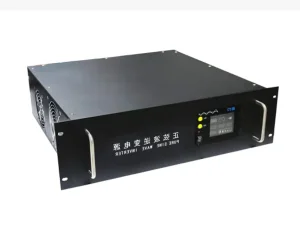
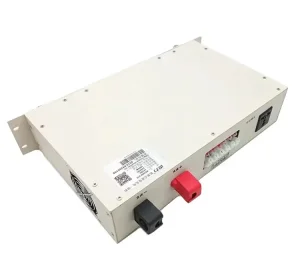
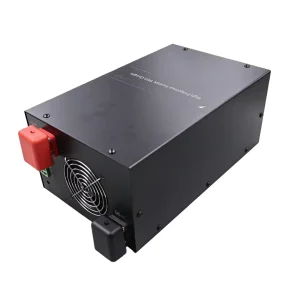
Best Maili 110V/220V AC 1KW Rack-mounted Inverter
Best Maili 110V/220V AC 1KW Rack-mounted Pure Sine Wave Charging Inverter Integrated Converter 5060hz Multiple Protection Functions Suppliers, Factories
View Specification
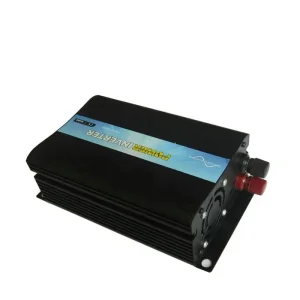
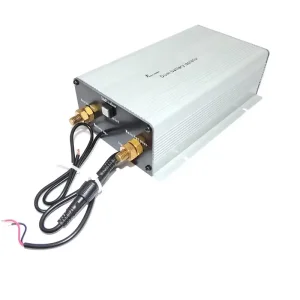
Custom 48V 220V 300W Solar Inverter
Custom 48V 220V 300W High Frequency Pure Sine Wave Solar Inverter Off-Grid Soft Start Power From DC to AC for Home Use With Soft-start Exporters, Products
View Specification
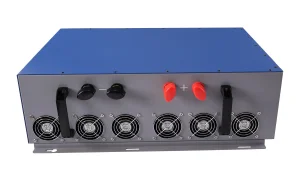
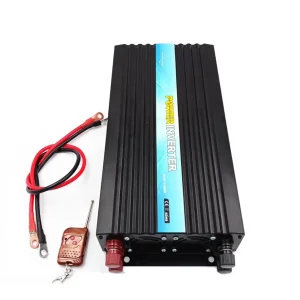
Maili Rack-mounted 6000W Pure Sine Wave Charging Inverter
Cheap Maili Rack-mounted 230±3%V AC 6000W Pure Sine Wave Charging Inverter RM-6000W 95% Efficiency Electric Suitable for Home/Office 50/60±0.5% Hertz Suppliers, Factory
View Specification
OEM CE ROHS 12000W Off-Grid Inverter
OEM CE ROHS 12000W Off-Grid Pure Sine Wave Inverter 24V 48V DC 190V 380V 3-Phase 24000W Peak Power Inverter 3-Year Warranty for Solar System OEM Manufacturer, Product
View Specification
Custom Intelligent High Frequency Battery Inverter
Custom Black Color Intelligent High Frequency Battery 8000w 48v 110v 220v Type Optional Pure Sine Wave Solar PV Inverter For Car Camper Water Pump Motor Manufacturer, Factory
View Specification
Best ML-10KW-3P 3 Phase High Frequency Power
Best ML-10KW-3P CE CB Rohs 3 Phase 10kva High Frequency Power 24v 48v Dc to 190v 380v Ac Out 10kw Inverter Price for Off-grid Tie Factory, Factories
View Specification
Industry Overview

1. Global Commercial & Industrial Status of Cart Battery Chargers

The global industrial e-mobility sector is undergoing an unprecedented technological paradigm shift. As commercial enterprises, municipal fleets, golf resorts, and automated logistics hubs accelerate decarbonization initiatives, high-efficiency cart battery chargers have evolved from simple passive power converters into mission-critical, intelligent energy node components.

E-Mobility Fleet Expansion

From golf carts (36V, 48V, 72V) and neighborhood electric vehicles (NEVs) to Automated Guided Vehicles (AGVs), floor scrubbers, and airport Ground Support Equipment (GSE), fleet electrification requires continuous duty charging infrastructure with multi-chemistry algorithm capabilities.

Switch-Mode Power Revolution

Legacy ferroresonant and heavy line-frequency chargers are rapidly being phased out worldwide. Tier-1 procurement standards now demand High-Frequency Switch-Mode Chargers (HFSM) featuring Active Power Factor Correction (PFC > 0.99) and dynamic efficiency ratings exceeding 95%.

Global Supply Chain Dynamics

Top-tier exporters in East Asia, backed by robust power electronics supply chains, lead global manufacturing. Enterprise buyers prioritize original manufacturers (OEM/ODM) capable of providing localized compliance (UL, CE, CB, KC, RCM) and custom CAN-bus integration.

95.4%
Peak Charging Efficiency
0.99
Active PFC Rating
3.5X
Fast-Charge Throughput
IP67
Industrial Engress Rating
Commercial Sourcing Insight: Modern enterprise fleets cannot afford unscheduled downtime caused by thermal failure or improper battery balance. Selecting manufacturers offering multi-stage smart charging curves (CC/CV/Float/Equalization) safeguards battery ROI and extends pack cycle life by up to 300%.
Technology Vanguard

2. Technical Trends & Breakthrough Innovations in Cart Battery Charging

Engineering breakthroughs in wide-bandgap semiconductors, digital microprocessor control, and real-time cloud telematics are redefining industrial cart battery charging topologies globally.

A. Silicon Carbide (SiC) & Gallium Nitride (GaN) Switches

Next-generation cart battery chargers utilize SiC MOSFETs and GaN switches in their primary power conversion stage. This enables ultra-high switching frequencies (200kHz+), dramatically reducing internal transformer footprint and heat dissipation while pushing power density up to 2.5 kW/L.

  • Lower thermal losses during high-ambient operation (up to 65°C).
  • Drastic weight reduction for both on-board and off-board charger designs.
  • Superior transient load response during rapid voltage swings.

B. Multi-Chemistry Smart Curve Adaptability

As commercial cart fleets transition from traditional flooded lead-acid and AGM batteries to Lithium Iron Phosphate (LiFePO4) and Nickel Manganese Cobalt (NMC), chargers must dynamically adapt their voltage and current outputs via intelligent firmware profiles.

  • Dynamic BMS Wake-Up capability for fully depleted lithium batteries.
  • Customizable 8-stage charging algorithms programmed via USB/Bluetooth.
  • Automatic temperature compensation sensors to eliminate thermal runaway risks.

Telematics & CANbus (J1939/CANopen)

Seamless communication between charger, Battery Management System (BMS), and vehicle ECU ensures precise state-of-charge (SoC) reporting and remote diagnostic telemetry.

Bidirectional Charging (V2G / V2X)

High-capacity cart chargers integrated with pure sine wave inverters allow electric carts to double as mobile emergency energy storage systems during power outages.

Ultra-Ruggedization (IP66/IP67)

Fully encapsulated aluminum die-cast housings filled with thermal silica gel protect sensitive power electronics against vibration, moisture, dust, and aggressive acid fumes.

Field Deployments

3. Localized Industrial Application Scenarios

Operational requirements vary significantly depending on geography, climate, and duty cycle. Leading cart battery charger manufacturers engineer customized configurations to meet demanding real-world deployment challenges.

North American & European Golf Resorts

Large-scale fleets requiring centralized multi-bank fast charging during overnight off-peak power hours. Features include automated trickle-charge rotation, zero-grid distortion, and rugged AC plug-and-play connectors (e.g., Club Car 3-pin, EZGO RXV, Yamaha 2-pin).

Automated Logistics & Warehousing (APAC)

High-duty AGVs, automated tuggers, and material handling carts requiring opportunity charging during brief 15-minute shift breaks. Demands high-amp DC output (up to 100A+), automated magnetic charge pads, and CANbus handshake protocols.

Airport Ground Support Equipment (GSE)

Heavy-duty baggage carts and passenger shuttles exposed to extreme ambient temperatures (-30°C to +55°C). Requires wide AC input tolerances (90V-265V AC single/3-phase) and heavy-duty shock resistance against tarmac vibrations.

Future Roadmap

4. Technical Roadmap & Future Outlook (2025–2030)

The next decade will merge autonomous vehicle tech with smart grid energy management, elevating cart chargers into autonomous intelligent energy dispatch units.

Timeline Key Technological Milestone Primary Commercial Benefit Architecture Impact
2025 – 2026 Wireless Inductive AGV Charging Pads Zero human intervention; 93%+ coupling efficiency Resonant magnetic induction & automated alignment alignment sensors
2026 – 2027 Universal AI Battery Health Diagnostics Predicts cell degradation & internal resistance changes On-board AI microcontrollers with deep learning firmware
2027 – 2028 Solid-State Battery Ultra-Fast Profiles 5-minute 80% charge cycles without thermal stress Multi-kilowatt dynamic pulse-current regulation switches
2029+ V2G Grid Interactive Fleet Aggregation Carts generate revenue by stabilizing local power grids Bi-directional dual-stage pure sine wave inverter topologies
Value Engineering

5. Macro Industrial Solutions & TCO Optimization

For enterprise fleet managers, purchasing cart battery chargers is an investment in Total Cost of Ownership (TCO). Inefficient or low-quality chargers result in excessive electricity bills, frequent battery replacement costs, and costly fleet downtime.

1. Electricity Cost Reduction

Upgrading from 75% efficient linear chargers to 95% efficient High-Frequency Switch-Mode chargers cuts utility power consumption by up to 20%. Across a fleet of 100 carts, this delivers thousands of dollars in direct annual operational savings.

2. Battery Life Extension

Precision voltage regulation (within ±0.5%) prevents overcharging and gas formation in lead-acid packs, while eliminating dendrite formation in LiFePO4 cells, keeping pack performance optimal across years of intense commercial use.

3. Reduced Thermal Stress

Active PFC and high power factor (>0.99) reduce reactive power drawing from the electrical grid, minimizing heat generation within local distribution panels and extending overall hardware lifespans.

Strategic Procurement

6. Strategic Sourcing Guide: Manufacturers vs. Exporters

When sourcing commercial cart battery chargers globally, enterprise procurement officers must weigh the benefits of working directly with OEM/ODM manufacturing factories versus specialized export distributors.

Direct Manufacturing Partner (OEM/ODM Factory)

Ideal for high-volume distributors, original vehicle equipment manufacturers (OEMs), and enterprise fleet operators seeking custom engineering solutions.

  • Hardware Customization: Custom DC output voltage (24V, 36V, 48V, 72V, 96V), tailored connector heads, and branded aluminum enclosures.
  • Firmware Customization: Tailored CANbus handshakes, custom charging profiles, and proprietary BMS protocol integration.
  • Cost Structure: Direct factory-gate pricing without middleman trading margins.
  • Quality Assurance: Traceable ISO 9001:2015 production lines, full-load burn-in testing, and direct engineering technical support.

Specialized Export Trading Companies

Well-suited for small-to-medium buyers needing low Minimum Order Quantities (MOQ) and consolidated multi-brand shipments.

  • Flexibility: Lower order thresholds and localized warehouse stock availability.
  • Consolidation: Ability to bundle cart chargers with unrelated spare parts or accessories.
  • Trade-Offs: Higher unit cost, limited deep-level engineering support, and reliance on factory backup for firmware customization.
Expert FAQ

7. Frequently Asked Questions (Q&A)

Technical answers to critical questions asked by industrial buyers, OEM integrators, and commercial fleet operators.

Q1: What is the technical advantage of High-Frequency Switch-Mode chargers over traditional line-frequency chargers for golf carts?
High-Frequency Switch-Mode (HFSM) chargers convert power at frequencies ranging from 50kHz to over 200kHz, compared to legacy 50Hz/60Hz transformers. This results in an efficiency improvement from ~75% to over 95%, reduces charger weight by 70%, provides active power factor correction (PFC > 0.99), and delivers digitally precise CC/CV output that significantly extends battery cycle life.
Q2: Can a 48V cart battery charger be used for both Lithium Iron Phosphate (LiFePO4) and Lead-Acid battery packs?
Only if the charger features a multi-profile micro-controller or selectable DIP/firmware switches. Lead-acid batteries require absorption, float, and periodic high-voltage equalization stages, whereas LiFePO4 batteries require strict Constant Current / Constant Voltage (CC/CV) control with no float stage and an integrated BMS low-temperature cut-off. Applying a lead-acid charge profile to lithium packs can damage the BMS or cause severe cell imbalance.
Q3: How does CAN-bus communication function in industrial AGV and cart chargers?
CAN-bus communication (utilizing CANopen or SAE J1939 standards) enables real-time high-speed data exchange between the battery management system (BMS), vehicle controller, and charger. Rather than relying solely on voltage feedback, the charger receives target current, maximum voltage limits, cell temperature data, and fault flags directly from the BMS, ensuring maximum charging safety and operational precision.
Q4: What ingress protection (IP) rating is recommended for on-board cart chargers?
On-board chargers mounted directly on utility carts, scrubbers, or golf cars should feature a minimum rating of IP66, with IP67 preferred. This ensures complete immunity against dust, rain, high-pressure water washdowns, direct vibration, and exposure to corrosive atmospheric elements.
Q5: What is Active Power Factor Correction (PFC) and why do commercial procurement specifications mandate it?
Active PFC is an electronic power conversion stage that aligns the input current waveform with the AC mains voltage waveform, resulting in a Power Factor close to 1.0 (typically >0.99). This minimizes total harmonic distortion (THD < 5%), prevents excessive neutral wire heating in facility wiring, eliminates utility power penalty fees, and allows more chargers to operate simultaneously on a single AC circuit breaker.
Q6: How do manufacturers ensure global electrical compatibility for export markets?
Leading manufacturers design cart chargers with wide universal AC input ranges (90V AC to 264V AC, 45Hz–65Hz). This allows a single hardware unit to operate seamlessly across North America (120V 60Hz), Europe/Asia (230V 50Hz), and regions with unstable local electrical grids.
Q7: What safety protections must be integrated into industrial cart charging units?
Industrial-grade chargers must incorporate multi-layer redundant safety mechanisms, including AC input over/under-voltage protection, DC output over-voltage and over-current limiting, short-circuit protection with auto-recovery, reverse-polarity sparkless protection, over-temperature thermal throttling, and a battery temperature sensor (NTC) shutoff.
Q8: Why is customized OEM software branding crucial for cart fleet distributors?
Custom OEM software branding allows distributors to lock charging parameters to their proprietary battery chemistry line, embed their corporate logo onto digital LCD screens or mobile telematics apps, and protect aftermarket service revenue by preventing unauthorized third-party charger substitutions.
Secondary Power Portfolio

Specialized Inverters, Chargers & Modular Components

Explore our expanded equipment portfolio engineered for pure sine wave power conversion, multi-stage industrial charging, and battery isolation.
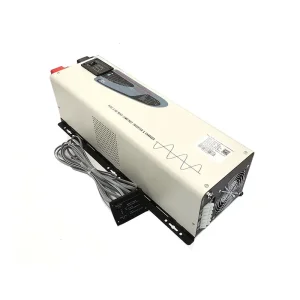
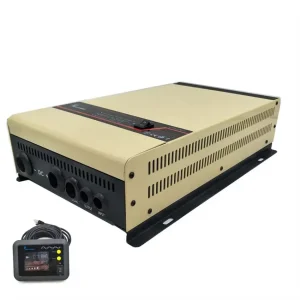
Custom Maili 5kw Pure Sine Wave Inverter with Charger
Custom Maili 5kw High Quality LCD Screen Power 5000w Low Frequency Pure Sine Wave Inverters with Charger and Toroidal Transformer Manufacturers, Suppliers
View Specification
CE Certified 1500W Pure Sine Wave Inverter Charger
CE Certification CE ROHS CB Maili High Efficiency 95% Pure Sine Wave Inverter Charger 1500W with 24VDC Input and 110VAC Output With LCD display Supplier, Exporter
View Specification
Maili 1.2KW Rack-mounted Inverter Charger
Wholesale Maili 1.2KW Rack-mounted Pure Sine Wave Inverter Charger Integrated 110VAC/220VAC with 50/60Hz and Comprehensive Protection Functions Manufacturer, Factories
View Specification
OEM Maili Dual Battery Isolator
OEM Maili BS-173 Efficient 90% Dual Battery Isolator 12/24 Volt 400 Amp Auto Switches Compatible with Lead-Acid and Lithium Battery Product, Products
View Specification
Maili 6KW 50A High Frequency Inverter Charger
Best Maili 6KW 50A High Frequency Inverter Charger All-in-One 110V/220V AC Pure Sine Wave Single Phase 95% Efficiency Supplier, Factories
View Specification
2000W Inverter with 90A Battery Charger
High-Quality CE ROHS 2000w high frequency pure sine wave inverter with 90A battery charger Manufacturers, Product
View Specification
5KW Low Frequency Hybrid Solar Inverter Charger
Cheap Low Frequency Hybrid Solar Pure Sine Wave Inverter Charger With LCD Display 5KW 24V 48V to 230V with 60A MPPT Solar Charge Controller for Solar System Factories, Product
View Specification
Factory OEM 2500W Off-grid Pure Sine Wave Inverter
Best Factory OEM 2500W Power Inverter New Design 48V 230V Off-grid Pure Sine Wave Inverter for Home Use 220VAC Output 5000W LCD Factories, Product
View Specification
Conclusion

Summary: Partnering with World-Class Cart Charger Exporters

Selecting the ideal cart battery charger manufacturer requires balancing power electronics expertise, multi-chemistry flexibility, robust thermal management, and full regulatory compliance. By aligning with certified OEM/ODM factories capable of high-frequency conversion and custom CANbus integration, enterprise buyers secure reliable power infrastructure, lower Total Cost of Ownership, and maximum fleet uptime.

Strategic Action Plan for Importers: Always request factory audit reports, ISO 9001 certifications, sample units for 100% burn-in thermal testing, and dynamic CANbus integration validation prior to issuing volume purchase orders.