


Factory-direct engineered solutions for clean, stable, uninterrupted household energy transformation.
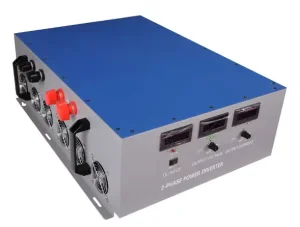
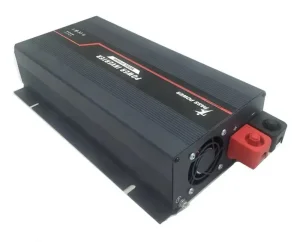
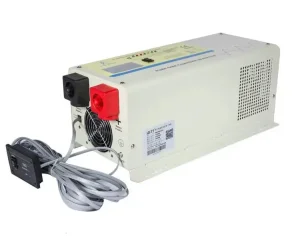
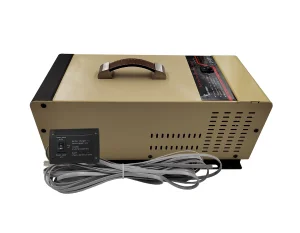
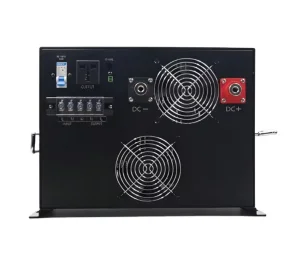
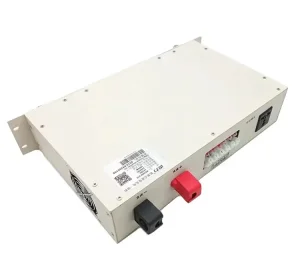
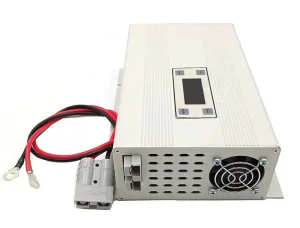
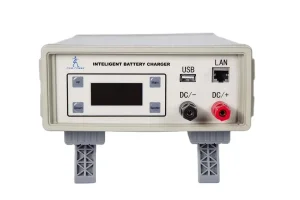
The global demand for residential power resilience has undergone a structural shift. Climate-induced grid volatility, the rapid decentralization of solar photovoltaic (PV) generation, and the electrification of household transportation have elevated the residential power inverter from a simple backup luxury to a mission-critical home infrastructure asset. Modern households no longer merely seek temporary illumination during blackouts; they demand continuous, zero-transfer-time sine wave power capable of driving heavy inductive loads such as central HVAC heat pumps, medical oxygen concentrators, refrigeration systems, and EV chargers.
Selecting the best home use manufacturer & exporter requires evaluating advanced power electronic design, thermal efficiency, component sourcing transparency, and adherence to international electrical safety standard frameworks. As a premier China-based original equipment manufacturer (OEM) and original design manufacturer (ODM), Maili Electric (Pass Power) operates at the nexus of advanced power conversion engineering and high-scale manufacturing efficiency. Operating from an ISO 9001:2015 certified 2,770 m² precision manufacturing facility in Suzhou, China, Maili Electric designs and exports high-reliability low-frequency toroidal transformer inverters, high-frequency switched-mode inverter chargers, solar MPPT hybrid units, and multi-stage battery management systems engineered for over 15 years of operational longevity.
Modified sine wave inverters are obsolete for modern home appliances. High-efficiency microprocessors, variable-frequency drives (VFD) in refrigerators, and sensitive SMPS power supplies in consumer electronics require clean, ultra-low distortion (<3% THD) pure sine wave alternating current. Partnering with a specialized exporter ensures compliance with global utility grid quality standards.
Global distributors, brand owners, and engineering procurement contractors (EPCs) increasingly look to specialized Chinese manufacturing ecosystems for residential energy hardware. China's competitive advantage in power inverter production extends far beyond basic assembly labor; it is rooted in vertical supply chain integration, material science maturity, and unparalleled manufacturing agility.
Suzhou and the broader Yangtze River Delta represent the world's most concentrated cluster for power electronics. Direct proximity to raw silicon, automotive-grade MOSFETs/IGBTs, high-permeability toroidal magnetic cores, and precision aluminum heat sinks minimizes component lead times and eliminates international supply chain friction.
Leading Chinese home use inverter factories utilize Surface Mount Technology (SMT) automated optical inspection (AOI), automated transformer winding equipment, and computer-controlled 100% full-load thermal burn-in chambers. This eliminates human assembly variation and guarantees reliable field MTBF (Mean Time Between Failures) ratings.
Unlike rigid Western legacy producers, China's direct manufacturers excel at rapid prototyping. Custom DC input profiles (12V, 24V, 48V, up to 380V DC), custom AC output split-phase/3-phase configurations, specific localized plug standards, and proprietary firmware protocols are delivered within weeks rather than quarters.
The home power sector is experiencing rapid technological convergence. Understanding these technological shifts is essential for B2B importers selecting long-term manufacturing partners.
A central engineering decision in home inverter deployment revolves around choosing between low-frequency transformer-based architectures and high-frequency switched-mode topologies. Each serves distinct residential application profiles:
| Technical Dimension | Low-Frequency (Toroidal Transformer) | High-Frequency (Switch-Mode MOSFET/IGBT) |
|---|---|---|
| Primary Isolation | Heavy-duty galvanically isolated copper toroidal transformer | Compact high-frequency ferrite core transformer |
| Surge Capacity | Extreme (300% for 20s): Easily starts heavy induction motors, AC compressors, pumps | Moderate (150-200% for 1s): Optimized for resistive and electronic loads |
| Tare / Idle Losses | Slightly higher idling current due to iron core excitation | Ultra-low standby self-consumption (<10W) |
| Enclosure & Weight | Heavier chassis, high thermal mass, extreme electrical durability | Ultra-lightweight, compact form factor, wall-mountable |
| Primary Home Use Cases | Whole-home backup, heavy HVAC/sump pump loads, off-grid cabins, severe grid spikes | Apartment backup, portable home workstations, low-weight vehicle/home dual setups |
Legacy home inverters were calibrated strictly for Sealed Lead-Acid (SLA), AGM, or Gel battery discharge curves. Modern home energy storage relies almost exclusively on LiFePO4 chemistry due to its 4,000+ cycle life, higher energy density, and thermal stability. Leading exporters like Maili Electric build intelligent multi-stage chargers with custom lithium BMS (Battery Management System) handshake protocols, programmable absorption/float voltage cutoffs, and low-temperature charge protection parameters.
Home energy storage is transitioning from isolated offline equipment to connected nodes within smart microgrids. Modern inverter systems feature integrated RS485, CAN-bus, Wi-Fi, and Bluetooth communication interfaces. Advanced firmware enables real-time telemetry tracking via mobile apps, automated grid peak-shaving, software-defined priority switching (PV vs. Utility vs. Battery), and dry-contact generator auto-start signaling during prolonged grid outages.
Home use inverters operate in vastly different geographic, environmental, and electrical conditions worldwide. Factory design must account for these unique field variables.
Scenario: Urban and suburban residences in region with unstable utility grids or extreme weather blackouts.
Technical Requirement: Inverter integrated with high-speed AC transfer relay (<10ms). When utility power collapses, the inverter seamlessly assumes household load without resetting desktop computers, smart TVs, or Wi-Fi routers. Pure sine wave output protects multi-stage variable speed HVAC blowers and sensitive home electronics.
Scenario: Remote homesteads, mountain cabins, and eco-resorts located miles from the central electricity grid.
Technical Requirement: Hybrid solar MPPT inverter chargers capable of harvesting high-voltage photovoltaic strings, managing deep-cycle lithium banks, and providing continuous split-phase (110V/220V) or 3-phase (380V) AC output for heavy tools, water pumps, and cooking appliances.
Scenario: Recreational vehicles, mobile overland trucks, and luxury marine yachts requiring residential-grade comfort.
Technical Requirement: Ultra-thin, vibration-resistant low-frequency inverter chargers paired with dual battery isolators. Must safely separate engine starter batteries from auxiliary house battery banks while enduring high physical road shock, temperature swings, and confined thermal environments.
Scenario: Residential small businesses, home fabrication shops, agricultural farms, and rural medical clinics.
Technical Requirement: High-power 3-phase pure sine wave inverters (e.g., 9KW - 20KW models) providing balanced 190V/380V AC utility power to drive air compressors, CNC machinery, welding units, and cold storage refrigeration.
Building a successful home power brand requires a reliable factory manufacturing pipeline tailored to exact market specifications. Maili Electric provides a comprehensive, structured customization process.
Tailored DC inputs across 12V, 24V, 48V standard banks, plus high-voltage 96V DC and 380V DC architectures for electric vehicle integration.
Single-phase 110V/120V (Americas), 220V/230V/240V (EU/AU/Asia), split-phase 120V/240V, and 3-phase 190V/380V at 50Hz or 60Hz precision frequency.
Custom mechanical punch-outs accommodating US NEMA 5-15/5-20, EU Schuko, UK BS1363, Australian AS/NZS 3112, and universal industrial terminals.
Custom powder-coated sheet metal colors, private label screen printing, branded LCD graphic UI displays, and localized retail packaging.
When sourcing home use inverters from China, procurement directors and B2B buyers must implement rigorous quality assurance and regulatory compliance checklists to protect brand reputation and minimize warranty returns.
A legitimate home use inverter exporter must provide verifiable third-party certification lab reports. Sourcing non-certified power electronics exposes importers to severe product liability, customs impoundment, and insurance invalidation.
Expert answers to critical technical and procurement queries for home inverter systems.
Explore our complete OEM/ODM production line certified for global export markets.
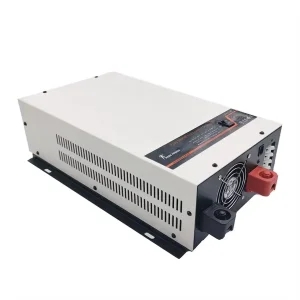
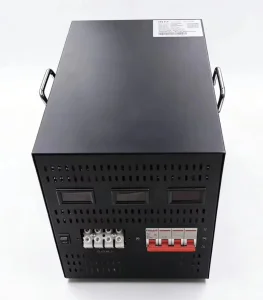
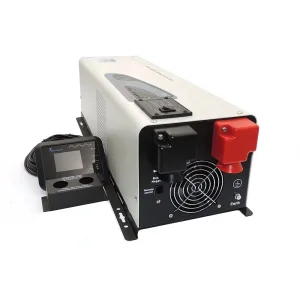
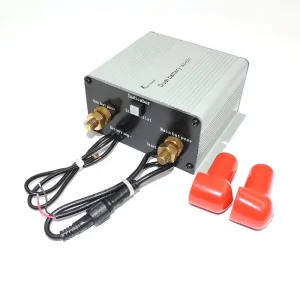
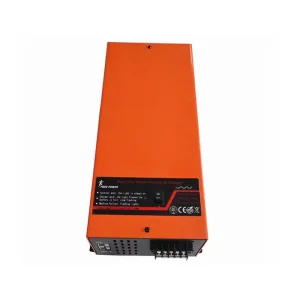
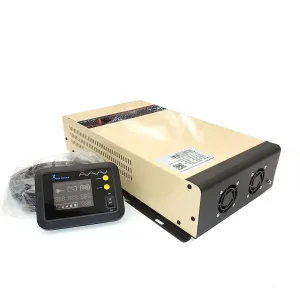
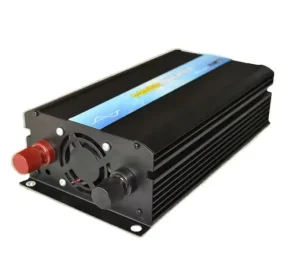
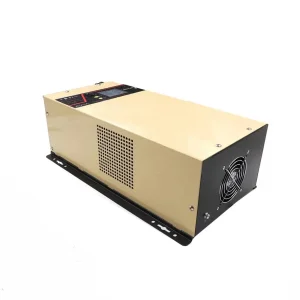
As the global residential energy sector accelerates toward high-efficiency solar hybrid integration and lithium storage, establishing a direct relationship with a qualified China manufacturer is your strongest strategic advantage. Maili Electric provides the technical depth, certified manufacturing quality, and agile OEM/ODM customization needed to expand your market footprint.
