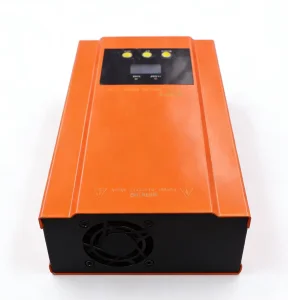
Featured export-grade power inverters engineered for extreme reliability across residential, commercial, and mobile energy applications.
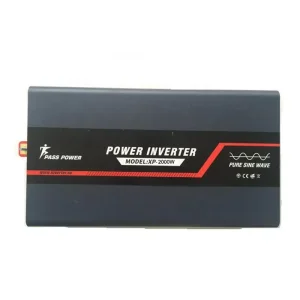
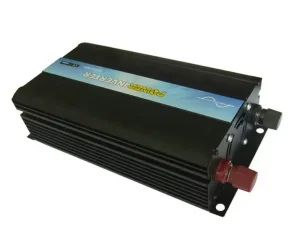
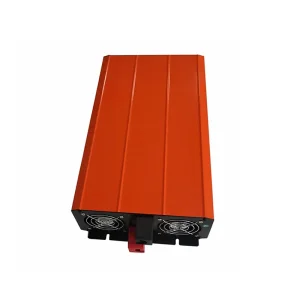
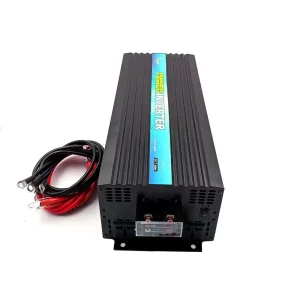
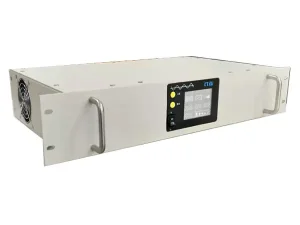
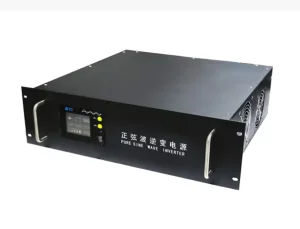
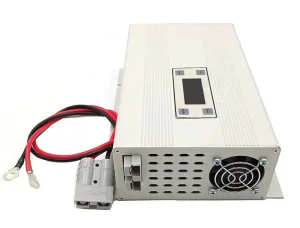
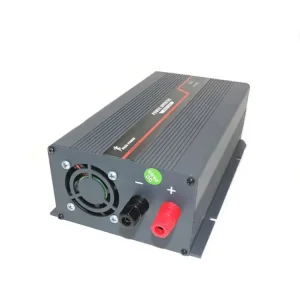
Navigating the shift toward decentralized energy networks, mobile power ecosystems, and critical infrastructure resilience.
The global power inverter market is undergoing a seismic transformation driven by three converging macro forces: the exponential expansion of distributed renewable energy storage systems (ESS), the electrification of commercial transport fleets and recreational vehicles (RVs), and the urgent requirement for uninterrupted emergency backup infrastructure across unstable grid environments. As enterprise procurement directors, energy integrators, and regional distributors evaluate potential supply chain partners, selecting the best inverter wholesaler exporters and product lines requires an in-depth understanding of engineering topologies, localized grid compatibility, and manufacturing scalability.
According to recent global energy equipment benchmarks, the demand for pure sine wave DC-to-AC power converters is projected to grow at a Compound Annual Growth Rate (CAGR) exceeding 8.4% through 2030. This growth is heavily concentrated in low-frequency transformer-based units for heavy inductive loads and high-frequency pulse-width modulation (PWM) units designed for high-density space-constrained applications.
High demand for 110V/120V split-phase systems, heavy-duty RV inverter chargers, and off-grid solar storage with UL-compliant safety architectures.
Focus on 230V 50Hz ultra-high efficiency hybrid solar inverters, CE/RoHS compliance, lithium battery communication protocols, and rack-mount form factors.
Surging need for robust low-frequency inverters capable of withstanding voltage surges, harsh environmental dust, and continuous peak operation.
Unpacking the structural engineering, raw material ecosystem, and quality assurance workflows that yield unmatched price-to-performance metrics.
The concentration of power electronics manufacturing in specialized industrial hubs—specifically Suzhou and the surrounding Yangtze River Delta region—provides global importers with distinct technological and economic leverage. As an established high-tech enterprise hub since 2012, Suzhou integrates localized access to high-grade magnetic cores, MOSFETs, IGBT modules, and precision aluminum housing fabricators within a 50-kilometer supply radius.
A leading inverter exporter maintains competitive leadership not merely through low cost, but through rigorous execution of ISO 9001:2015 quality management protocols across the entire production lifecycle:
| Production Stage | Engineering Protocol | Quality Assurance Objective | Impact on Wholesaler Reliability |
|---|---|---|---|
| Component Sourcing | AQL 0.4 Inspection on Power Semiconductors & Toroidal Cores | Filter out latent semiconductor micro-cracks and core losses | Zero-defect baseline prior to Surface Mount Technology (SMT) assembly |
| SMT & Wave Soldering | Automated Optical Inspection (AOI) & Lead-free Reflow | Eliminate cold solder joints and trace bridges on PCBAs | Enhanced vibration resistance for vehicle/RV applications |
| Assembly & Potting | Thermal Compound Application & Conformal Coating | Ensure heat transfer to aluminum shells; IP30/IP65 ingress protection | Long-term durability in humid, dusty, or high-salt marine environments |
| Full-Load Testing | 100% 4-Hour Burn-in Aging Test under Over-Temperature Conditions | Stress-test thermal shutdown, over-voltage, and short-circuit circuits | Sub-0.1% Field Failure Rate (FFR) for bulk export shipments |
Selecting the optimal power conversion architecture based on load profile, surge demand, and system weight limits.
Inverter buyers must systematically align their inventory procurement with the specific electrical needs of their target market segment. The market primarily bifurcates into three core technical topologies:
Best for: Heavy inductive loads, air conditioners, air compressors, pumps, and power tools.
Best for: Electronics, medical equipment, mobile caravans, and lightweight installations.
Best for: Off-grid homes, commercial solar backup, and microgrids.
Deploying tailored power inverter configurations across demanding field environments.
Requires integrated low-frequency inverter chargers (e.g., 3000W 12V to 120V) featuring automatic transfer switches (ATS) that switch seamless from shore power to battery within <10 milliseconds, along with dual battery isolators to protect starting batteries.
Hybrid solar MPPT inverters (3.5kW to 10kW) operating at 24V or 48V DC, designed to feed off-grid appliances while managing PV input voltages up to 500V DC and providing programmable grid/generator priority settings.
Ambulances, fire trucks, and mobile command centers utilize customized rack-mounted high-frequency inverters and multi-stage smart chargers with LCD telemetry, ensuring uninterrupted clean power for critical diagnostic tools.
How high-volume buyers optimize landed costs, ensure certification compliance, and tailor hardware specifications.
When sourcing power electronics at wholesale scale, enterprise importers must establish clear technical parameters during the supplier audit phase. Experienced Chinese exporters offer deep OEM/ODM capabilities across eight primary engineering vectors:
Custom DC inputs (12V, 24V, 48V, 96V up to High-Voltage 380V) and AC outputs (110V, 120V, 220V, 230V, 240V split-phase).
Integration of RS485, CAN-bus, Modbus, SNMP cards, and Wi-Fi/Bluetooth dongles for cloud app monitoring.
Extruded aluminum heat sinks, customized powder-coated sheet metal, rack-mount chassises, and IP30 to IP65 ratings.
Tailored output sockets (US NEMA, Universal, EU Schuko, UK 3-pin, Australian) and heavy-duty DC terminal posts.
Furthermore, navigating global regulatory compliance requires verified documentation. Trusted manufacturer-exporters provide complete compliance dossiers including CE, RoHS, FCC, and SGS test reports, shielding distributors from customs clearance delays and regulatory penalties in European and North American markets.
Key technological advancements reshaping energy efficiency, semiconductor topologies, and smart grid integration.
Transitioning from traditional MOSFETs to Wide-Bandgap (WBG) semiconductors enables higher switching frequencies, reducing transformer footprint while boosting peak efficiency above 98%.
Smart inverter chargers now feature direct CAN-bus/RS485 handshake protocols with Lithium Iron Phosphate (LiFePO4) Battery Management Systems to optimize charge profiles and maximize cycle life.
Cloud-connected algorithms continuously monitor ambient temperature, load demand, and PV harvesting history to predictively balance grid feed-in and battery storage discharge.
Expert engineering insights addressing common sourcing, technical, and operational inquiries.
Explore specialized battery chargers, solar MPPT converters, and custom off-grid power solutions available for direct export.
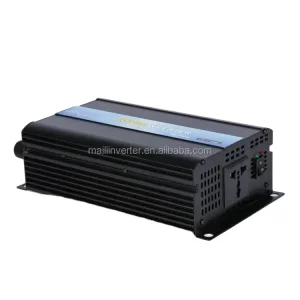
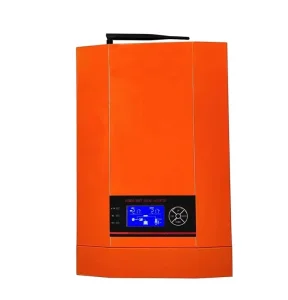
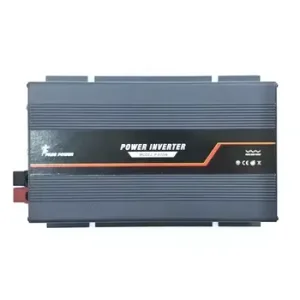
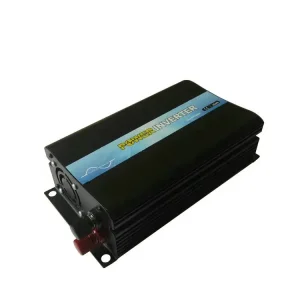
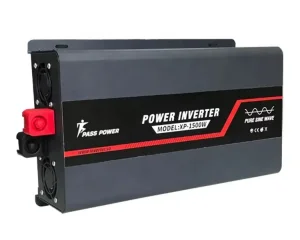
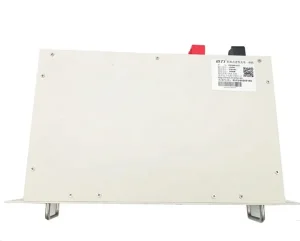
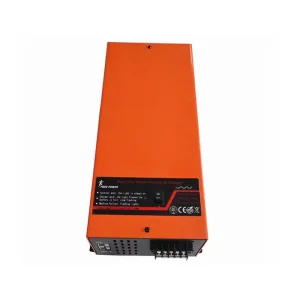
Connect directly with our Suzhou engineering and export team to request full product catalogs, factory-direct OEM pricelists, and customized prototype evaluations.