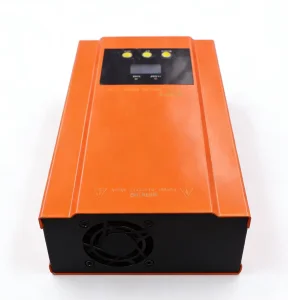
Direct-from-factory power solutions engineered for off-grid systems, commercial vehicles, and heavy inductive load applications.
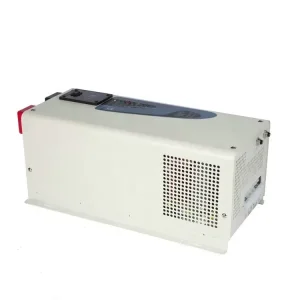
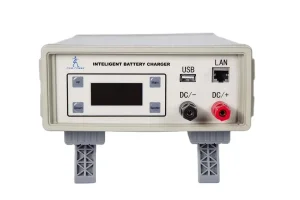
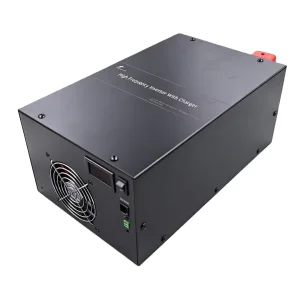
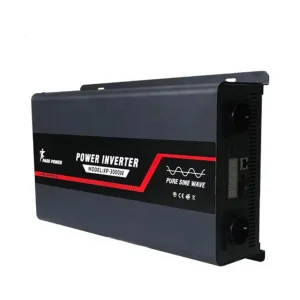
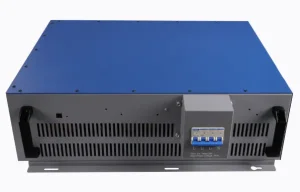
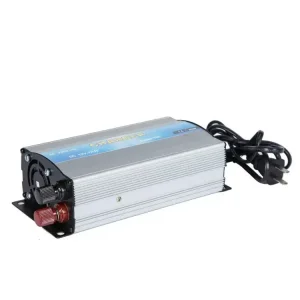
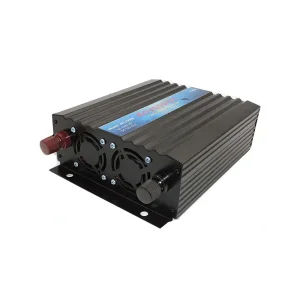
The global power electronics market is undergoing a structural transition driven by the electrification of transport, expansion of off-grid solar microgrids, and the demand for resilient commercial backup power. Modern enterprise procurement teams require more than basic DC-to-AC conversion; they demand high thermal efficiency, ultra-low Total Harmonic Distortion (THD < 3%), robust transient surge capabilities, and multi-protocol smart network integration.
Selecting the correct inverter-converter topology is critical to system longevity and operational stability. Below is a comprehensive engineering evaluation matrix for technical sourcing managers:
| Topological Parameter | Low-Frequency Toroidal Inverter | High-Frequency MOSFET/IGBT | Hybrid MPPT Solar Inverter |
|---|---|---|---|
| Core Isolation Component | Heavy Copper Heavy Toroidal Transformer | Compact High-Frequency Ferrite Core | Integrated High-Freq Isolation + MPPT Choke |
| Peak Surge Capacity | 300% to 400% for 10-20ms (Motor Starting) | 150% to 200% for < 2ms | 200% for 5 seconds |
| THD (Harmonic Distortion) | < 2.5% (Extremely Stable Waveform) | < 3.0% (Clean Digital Waveform) | < 3.0% (Pure Sine Wave Output) |
| Primary Target Applications | RVs, Air Conditioners, Pumps, Heavy Tools | Consumer Electronics, Telecom, Laptops | Off-Grid Homes, Residential Solar ESS |
| BMS & Bus Support | Dry Contacts, RS485, Modbus RTU | RS232, USB, Optional Wi-Fi | CANbus, RS485, Wi-Fi App, SNMP |
Enterprise buyers—including vehicle builders, commercial fleet operators, energy storage integrators, and regional wholesalers—operate under precise operational constraints. Understanding these procurement intents ensures optimal hardware selection and minimizes warranty risk.
Requires wide DC voltage operating ranges (12V/24V/48V), automatic Shore Power Transfer Switches (<10ms transfer time), low idle standby power loss, and resistance to high-vibration automotive environments (certified to vehicle standards).
Demands built-in MPPT Solar Charge Controllers with maximum power tracking efficiency >99.5%, wide PV input voltage arrays (up to 450V DC), battery-less operating modes, and seamless generator start controls.
Focuses on high OEM flexibility: custom branding, unique housing colors, configurable AC output socket types (GFCI, Universal, Schuko, Australian, UK), modular PCB construction for low MTTR, and competitive FOB prices.
Located in the Yangtze River Delta industrial hub (Suzhou), China's premier power electronics manufacturers leverage an unmatched supply chain cluster. From raw copper magnetic core processing to advanced SMT assembly, vertical integration delivers high reliability and rapid scaling.
In-house toroidal transformer winding, vacuum impregnation, and precision heat-sink machining eliminate vendor delays. Component sourcing directly from Tier-1 semiconductor vendors (Infineon, STMicroelectronics, Texas Instruments) guarantees high MTBF.
Every produced unit passes through automated test lanes featuring high-temperature burn-in rooms (45°C ambient), full-power dynamic step-load testing, short-circuit protection cycling, and high-voltage dielectric withstand verification.
Fast-track engineering response allows customized firmware (charge profiles for custom LiFePO4 chemistry), unique housing geometries, non-standard DC voltages (such as 96V or high-voltage 380V DC), and localized display languages.
Navigating international regulatory frameworks is imperative for seamless customs clearance and retail approval. Tier-1 China manufacturers build products from the ground up to comply with major continental standards:
| Target Region | Safety & Grid Certifications | EMC & Immunity Standards | Environmental & Efficiency |
|---|---|---|---|
| North America (USA/Canada) | UL 1741, UL 458 (Mobile/RV), CSA C22.2 | FCC Part 15 Class B | CEC Efficiency Standard, DOE Level VI |
| European Union (EU) | CE Low Voltage Directive (EN 62109-1/-2) | EN 61000-6-1, EN 61000-6-3 | RoHS 2011/65/EU, REACH, WEEE |
| Oceania (Australia/NZ) | AS/NZS 4777.2 (Grid Connection), AS/NZS 3000 | RCM Mark Compliance | IP30 / IP65 Enclosure Protection Ratings |
| Global / Off-Grid | IEC 62109-1, IEC 62040 (UPS Systems) | CISPR 22 / CISPR 32 | ISO 9001:2015 Manufacturing System |
Technological evolution in power conversion is accelerating. Key advancements redefining the industry performance baseline include:
Silicon Carbide (SiC) and Gallium Nitride (GaN) switching components enable higher switching frequencies with significantly reduced switching losses. This allows thermal dissipation heat sinks to shrink by 40% while raising efficiency curves above 96%.
Next-generation converters integrate bidirectional topology, enabling a single hardware unit to charge battery banks from grid/AC sources and seamlessly reverse-feed clean AC power to appliances during grid outages or high peak-rate hours.
Modern inverters feature pre-programmed communication protocols (CANbus/RS485) compatible with major LiFePO4 battery pack suppliers (Pylontech, BYD, CATL), adjusting charging voltage dynamically based on cell-level BMS telemetry.
Versatile power converter architecture serves critical, real-world operational environments across global markets:
Hybrid MPPT inverters prioritize free solar energy during daylight, auto-switch to battery during evening hours, and initiate standby diesel generator operation when battery SOC drops below defined thresholds.
Low-frequency 3000W inverter chargers effortlessly handle the 5x inrush current of rooftop air conditioners, microwaves, and induction cooktops while recharging house batteries via shore power.
Zero-noise pure sine wave conversion with THD <2% safeguards delicate medical monitors, mobile ultrasound machines, and surgical tools from electronic distortion and voltage spikes.
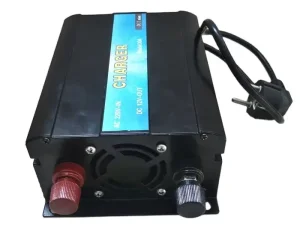
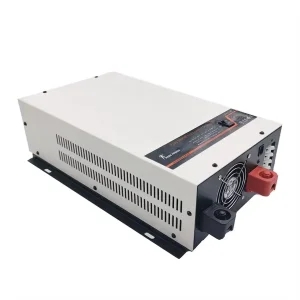
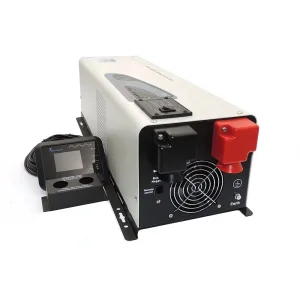
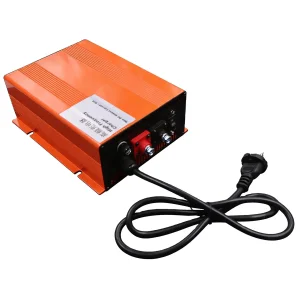
Explore full technical configurations across hybrid solar inverters, intelligent battery chargers, and multi-phase power systems.
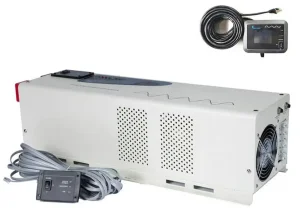
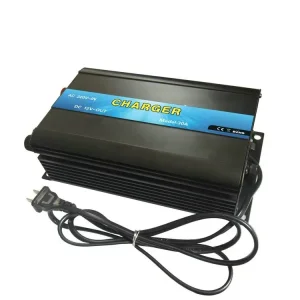
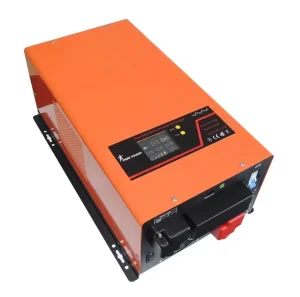
Addressing common engineering and sourcing questions from global procurement officers and system designers.