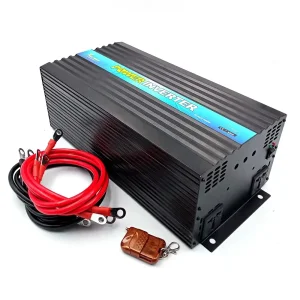
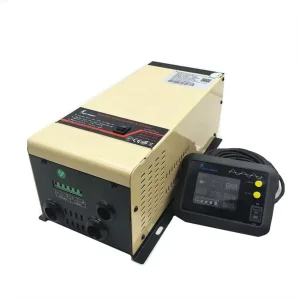
Best Marine Inverter Factory & Factories

High-Reliability Pure Sine Wave Marine Power Systems, OEM/ODM Supply Chain Insights & Engineering Compliance Guide

Top-Tier Industrial & Marine Inverters

Engineered for harsh environments, superior surge performance, and seamless off-grid integration.

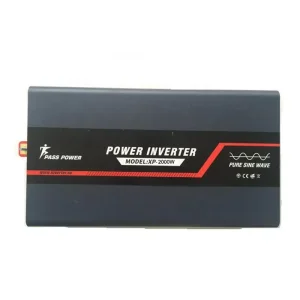
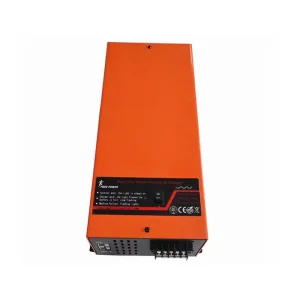
Ultra-thin 800W Micro Inverter Charger
Custom Ultra-thin 800W Micro 12v 110v Pure Sine Wave Inverter Charger
View Product Details
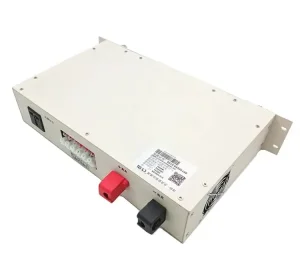
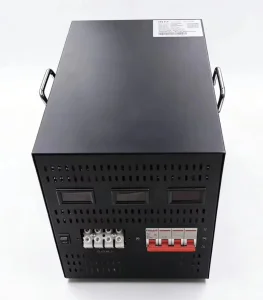
4000W Rack-mounted Charging Inverter
ODM Maili 4000W 230VAC±3% Rack-mounted Pure Sine Wave Inverter Charger
View Product Details
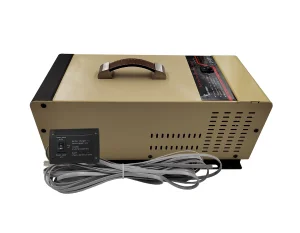
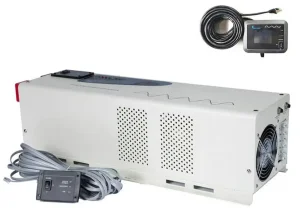
1000W Ultra-thin Inverter Charger
CE Certified Ultra-thin 1000W 12v to 220v Offgrid Pure Sine Wave Inverter
View Product Details
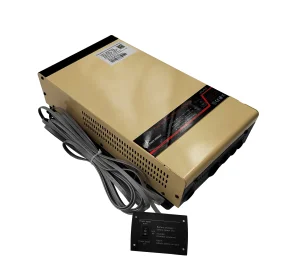
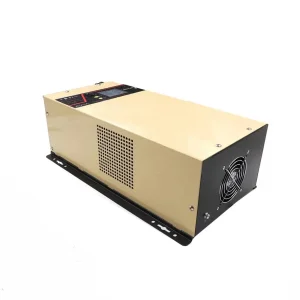
1500W Low Frequency Inverter Charger
High-Quality Maili 1500W True Pure Sine Wave Digital LCD Display Converter
View Product Details
9000W High Frequency 3 Phase Inverter
ODM Direct Sale CE CB RoHS 9000W High Frequency Inverter 12V/24V/48VDC
View Product Details
4000VA Hybrid Charger Inverter
High-Quality Wholesale DC24V/48V AC120V/230V 4000VA Hybrid Charger Inverter
View Product Details
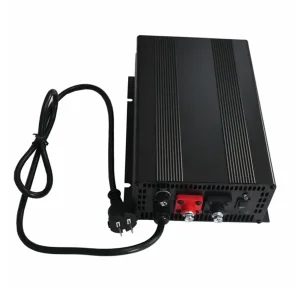
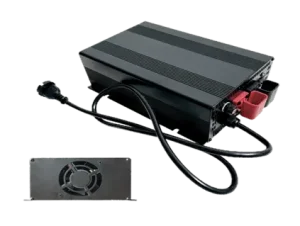
12V 70A Intelligent Charger
Custom Factory 3 Stages 12V 70A Max Intelligent Smart Charger LED Indicator
View Product Details
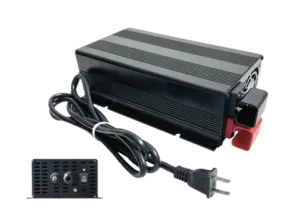
12V 60A 3 Stages Smart Charger
Best CE CB SAA Certified 12V 60A 3 Stages Intelligent Aluminum Shell Charger
View Product Details
95%
Peak Conversion Efficiency
< 10ms
UPS Automatic Transfer Time
300%
Toroidal Surge Capacity (3x)
IP30/IP65
Marine Moisture Protection

Executive Summary: Navigating Marine Inverter Manufacturing Standards

In the modern maritime engineering domain, selecting the best marine inverter factory is far more than a routine procurement task; it is a critical decision governing shipboard safety, operational longevity, and power quality. Unlike standard land-based industrial or commercial power converters, marine inverters operate under extremely demanding environmental conditions characterized by constant humidity, airborne salt spray, wide ambient operating temperatures, continuous structural vibration, and unstable DC power sources. To guarantee uninterrupted onboard operations for navigation systems, heavy inductive refrigeration loads, air conditioning units, and delicate marine electronics, B2B procurement managers and system integrators must thoroughly understand the underlying topology, compliance frameworks, and manufacturing rigor required for marine-grade power conversion.

This technical white paper explores the architectural distinctions, supply chain dynamics, localized regulatory standards, and quality engineering principles that define premier marine inverter production facilities globally, with a specific focus on OEM/ODM manufacturing ecosystems in China. By combining high-frequency digital signal processing (DSP) control with heavy-duty low-frequency toroidal transformer topologies, modern marine inverter factories are bridging the gap between high efficiency, lightweight power conversion, and rugged surge durability.

Topological Comparison: Low-Frequency vs. High-Frequency Marine Inverters

A primary consideration when vetting a marine inverter factory is their technical capability across two fundamental inverter circuit topologies: Low-Frequency (Heavy-Duty Toroidal Transformer-based) and High-Frequency (Switch-Mode MOSFET/IGBT-based). Each architecture serves specific operational profiles within maritime applications.

Design Parameter Low-Frequency Toroidal Inverters High-Frequency Switch-Mode Inverters
Primary Isolation Mechanism Heavy Iron-Core Toroidal Transformer Compact High-Frequency Ferrite Transformer
Surge & Inrush Capability Extreme (300% rated capacity for 10-20 seconds) Moderate (150% - 200% for short cycles)
Galvanic Isolation & Safety Complete hardware DC-to-AC isolation Electronic isolation via high-speed switching
Efficiency & Idle Draw 90%-93% Peak; slightly higher idle current 94%-96% Peak; minimal standby consumption
Weight & Physical Footprint Heavier, robust enclosure; vibration-resistant Ultra-lightweight, compact, space-saving design
Target Marine Load Applications Compressors, air conditioners, watermakers, pumps LED lighting, laptops, AV systems, communications

1. Low-Frequency Toroidal Inverters: The Workhorse for Inductive Loads

Low-frequency marine inverters utilize massive toroidal transformers for voltage step-up and galvanic isolation. The inherent physical properties of a toroidal copper core allow it to store electro-magnetic energy temporarily, granting the inverter unprecedented surge margins. When an onboard marine air conditioner or water pump starts up, its locked-rotor current (LRA) can spike up to three to five times the nominal running current. Low-frequency inverters effortlessly absorb these transient current spikes without triggering over-current shutdown or voltage sag, protecting both the inverter's power MOSFETs and connected machinery.

2. High-Frequency Switch-Mode Inverters: Lightweight Efficiency for Modern Vessels

Conversely, high-frequency marine inverters utilize pulse-width modulation (PWM) operating at tens to hundreds of kilohertz to convert DC power into high-voltage DC, which is then inverted to a pure sine wave AC output. These units eliminate heavy iron cores, drastically reducing structural payload on light-craft yachts, electric speedboats, and racing catamarans. Advanced high-frequency models manufactured by leading factories incorporate high-speed microcontrollers that dynamically adjust switching parameters to deliver ultra-clean AC waveforms with total harmonic distortion (THD) strictly controlled below 3%.

Industrial Advantage: Why Sourcing Marine Inverters from China Lead Manufacturers Makes Sense

Global procurement specialists across North America, Europe, Australia, and Southeast Asia increasingly partner with qualified Chinese marine inverter manufacturers. Located primarily in advanced electronics hubs such as Suzhou and Guangdong, these facilities offer a powerful synergy of engineering innovation, component integration, and cost optimization.

Comprehensive Component Ecosystem & Engineering Agility

China's Yangtze River Delta electronics corridor houses complete upstream and downstream supply chains—from high-grade silicon steel toroidal core winders and automotive-grade MOSFET suppliers to advanced Printed Circuit Board Assembly (PCBA) Surface Mount Technology (SMT) lines. This geographic clustering enables leading factories like Suzhou Maili Electrical Appliance Co., Ltd. to rapidly prototype custom voltage inputs (e.g., non-standard 36V, 72V, 96V DC platforms) and modified AC output configurations within weeks rather than months.

Rigorous Quality Control & International Certifications

Tier-1 Chinese marine inverter factories adhere strictly to ISO 9001:2015 Quality Management Systems. Every unit undergoing production passes through multi-tier quality gates:

  • IQC (Incoming Quality Control): X-ray inspection of microchips, capacitance ESR testing, and copper purity verification.
  • PCBA Conformal Coating (Tropicalization): Automated dual-spray conformal coating machines apply a specialized moisture-proof, salt-spray-resistant, anti-fungal protective acrylic/silicone resin layer over all PCB components to prevent electrochemical dendrite growth and short circuits caused by saline atmosphere.
  • Burn-In & Full-Load Thermal Stress Testing: 100% of manufactured inverters undergo 4-to-24 hours of continuous full-power thermal burn-in inside environmental chambers under elevated ambient temperatures.
  • Compliance Verification: Safety and EMC compliance tests to satisfy CE, RoHS, CB, SAA, and IP30 ingress protection requirements.

Localized Application Scenarios & Marine Deployment Architecture

Marine inverters serve diverse functional roles depending on the vessel type and operational mission. Top marine inverter factories engineer specific software and hardware sub-routines to cater to these varied localized application scenarios:

1. Commercial Workboats, Tugs, and Offshore Support Vessels (OSV)

Commercial workboats rely heavily on low-frequency marine inverter chargers integrated with dual-battery isolators. The primary objective is absolute continuous operational availability for radar, sonar, communication arrays, and hydraulic cooling pumps. Inverter chargers configured with automatic transfer switches (ATS) transition seamlessly from shore power to battery inverter power in under 10 milliseconds during grid disconnects, acting as an industrial uninterruptible power supply (UPS).

2. Luxury Motoryachts, Catamarans, and Sailing Caravans

On leisure craft, acoustic comfort and zero electromagnetic interference (EMI) are paramount. Premium marine inverter factories engineer multi-stage smart cooling fans that dynamically adjust speed based on internal heatsink temperatures, keeping ambient noise negligible during night-time operation. Furthermore, integrated multi-stage chargers dynamically adjust profiles for AGM, Gel, or modern LiFePO4 (Lithium Iron Phosphate) battery banks, supporting rapid charging cycles without overheating the battery cells.

3. Specialized Emergency Medical Ships & Search-and-Rescue (SAR) Craft

Rescue craft require strict voltage stability (AC output variation < ±3%) to operate critical medical equipment, suction devices, and searchlight banks. Inverters built for this sector feature remote LCD monitoring panels, Modbus/CANbus communication interfaces for centralized digital switching networks, and triple-redundant fault protection mechanisms (over-voltage, under-voltage, short-circuit, over-temperature, and reverse polarity).

Global Enterprise Procurement Guide & Vendor Evaluation Checklist

When conducting an OEM/ODM factory audit for marine power converters, enterprise buyers should evaluate candidates against six key industrial benchmarks:

  1. Customization Depth (OEM/ODM Versatility): Does the factory support custom DC input ranges (12V, 24V, 48V, 96V, 380V DC), custom AC output sockets (US, EU, AU, Universal, hardwire terminal blocks), dual-phase/three-phase synchronization, and custom firmware charging algorithms?
  2. Thermal Management Architecture: Look for heavy extruded aluminum heat-sink profiles, isolated air-duct channel designs (keeping corrosive air away from sensitive PCB traces), and high-reliability ball-bearing cooling fans.
  3. Conformal Coating & Enclosure Ingress Protection: Verify whether the manufacturer utilizes automated conformal coating lines and offers ruggedized IP30 or IP65 powder-coated aluminum cases.
  4. Protective Hardware Integration: High-grade marine inverters feature soft-start circuitry, high surge rating power switches, and built-in GFCI (Ground Fault Circuit Interrupter) compatibility to protect passengers against electrical shock hazards aboard wet decks.
  5. Supply Chain Transparency & Traceability: Ensure the vendor maintains strict component batch tracking, uses reputable semiconductor brands (such as TI, STMicroelectronics, Infineon), and offers comprehensive post-sales spare-parts inventory support.
  6. Local Compliance Support: Check if the factory provides necessary test documentation, safety certificates (CE, RoHS, CB), and engineering data sheets required for local maritime safety authority approvals in destination countries.

Future Trends in Marine Power Conversion Technologies

The marine energy sector is undergoing a rapid transition toward electrification and smart grid management. Premium inverter factories are investing heavily in next-generation R&D initiatives:

  • Lithium-Native & Smart Battery Management Systems (BMS) Synchronization: Future marine inverters seamlessly communicate via CAN-bus or NMEA 2000 protocols directly with Lithium battery BMS units, real-time adjusting charge current based on individual cell temperatures and state of charge (SoC).
  • Wide Bandgap Semiconductors (GaN & SiC): The adoption of Gallium Nitride (GaN) and Silicon Carbide (SiC) power transistors enables next-gen marine inverters to operate at significantly higher switching frequencies, achieving over 97% efficiency while halving total enclosure volume.
  • Hybrid Solar-Marine Energy Integration: Combining Maximum Power Point Tracking (MPPT) solar charge controllers directly into low-frequency marine inverters creates all-in-one off-grid energy hubs capable of harvesting solar power from marine deck panels while simultaneously managing generator or grid inputs.

Frequently Asked Questions (FAQ) for Marine Inverter Buyers

Common technical and procurement queries resolved by industry specialists.

1. Why is a pure sine wave inverter mandatory for marine applications instead of a modified sine wave inverter? +
Pure sine wave inverters produce clean AC electricity identical to (or cleaner than) shore power grid voltage, with low harmonic distortion. Sensitive marine equipment such as radar systems, satellite receivers, navigation instrumentation, medical emergency kits, and modern inverter air conditioners require smooth sine wave AC to operate without acoustic noise, overheating, or electrical interference. Modified sine wave inverters produce harsh stair-step voltage steps that can overheat induction motors, ruin circuit boards, and cause heavy buzz in audio/radio systems.
2. How does a marine inverter factory protect electronics against humid salt spray environments? +
Leading marine inverter manufacturers implement "Tropicalization" protocols. This involves applying an automated conformal coating (acrylic or silicone resin) over all assembled Printed Circuit Boards (PCBA). This microscopic barrier seals sensitive components away from moisture, salt ions, dust, and corrosive vapors. Furthermore, marine enclosures often use heavy powder-coated aluminum or stainless steel hardware, isolated internal airflow channels, and IP30 to IP65 rated case designs.
3. Can a 12V or 24V marine inverter charger safely run off-grid marine air conditioning? +
Yes. To run marine air conditioners successfully, a heavy-duty Low-Frequency Pure Sine Wave Inverter Charger (such as a 3000W to 5000W toroidal transformer model) is strongly recommended. Marine AC units draw massive surge currents (LRA) upon compressor startup. Low-frequency inverters feature up to 300% surge capacity for several seconds, allowing them to start air conditioners smoothly without tripping protection circuits or sagging battery voltage.
4. What OEM/ODM customization options can enterprise buyers request from Maili Electric? +
Maili Electric provides comprehensive customization across 8 key areas: custom DC input voltages (12V, 24V, 48V, up to 96V/380V DC), custom AC output voltages and frequencies (110V/120V/220V/230V/240V, 50Hz/60Hz, split-phase, 3-phase), customized charging current profiles (for Lead-Acid, Gel, AGM, LiFePO4), specialized input/output wiring sockets, custom aluminum shell enclosure colors/logos, RS485/CANbus communication protocols, and custom LCD monitor interfaces.
5. What certifications are essential when importing marine inverters into North America and Europe? +
For European markets, CE marking (covering Low Voltage Directive LVD and Electromagnetic Compatibility EMC) alongside RoHS compliance is essential. For North American marine applications, products should align with ABYC (American Boat and Yacht Council) Standard E-11 for AC/DC electrical systems on boats, alongside UL 458 (Marine Power Inverters/Chargers) certification guidelines. Quality-focused factories maintain ISO 9001:2015 certified facilities and provide full SGS/CE test reports.

Complete Commercial Inverter & Charger Series

Explore our full line of low-frequency off-grid converters, smart chargers, and high-efficiency power systems.
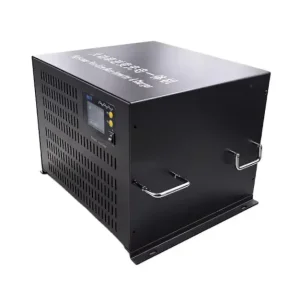
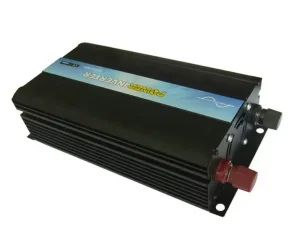
300W Wall-mounted Low Frequency Inverter
Wholesale Maili New Design Wall-mounted 300W Pure Sine Wave Inverter Charger
View Product Details
12V 40A Smart Battery Charger
Wholesale 3 Stages 12V 40A Smart Charger 110/220VAC Lead Acid Battery Charger
View Product Details
9KW High Power Pure Sine Wave Inverter
Best Maili QSP-9000 9KW 50/60Hz Single Phase High-power Inverter 95% Efficiency
View Product Details
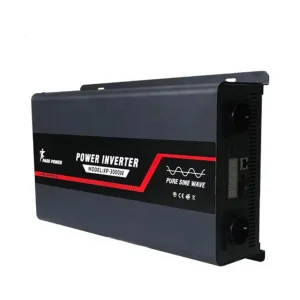
3000W Pure Sine Wave Power Inverter
High-Quality XP3000 3000Watt Pure Sine Wave Inverter 24V DC to 120V AC LCD
View Product Details
1KW High Frequency Home Solar Inverter
CE Certification Portable High Frequency 12V to 110V Pure Sine Wave Inverter 1KW
View Product Details
2000W High Frequency Inverter
High-Quality Maili 2000W Power Inverter Single-Phase 12V 120V LCD Aluminum Shell
View Product Details
4000W Pure Sine Wave Power Inverter
Wholesale CE RoHS 4000W Pure Sine Wave Power Inverter 48V to AC120V Remote
View Product Details
300W Commercial Vehicle Inverter Charger
CE Certification MAILI 300W Wall-mounted Commercial Vehicle Inverter Charger
View Product Details