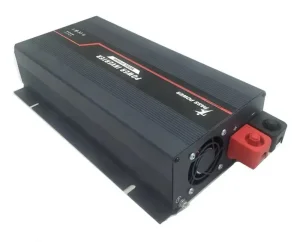
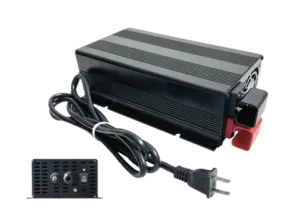
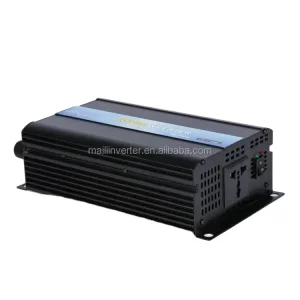
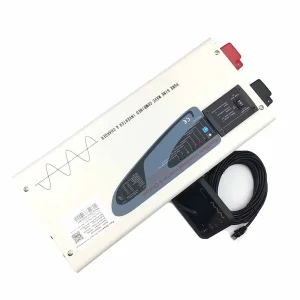
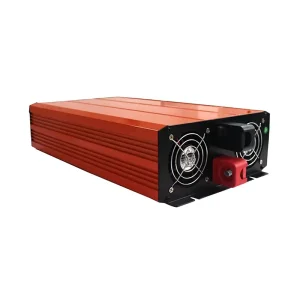
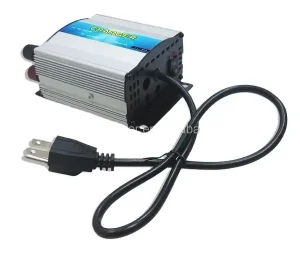
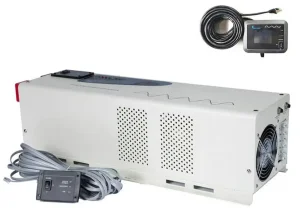
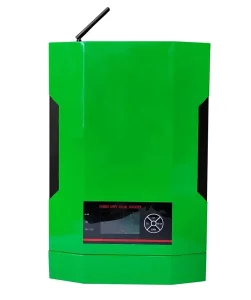
Explore our CE-certified 12V charger platforms, high-surge power inverters, and multi-stage intelligent power units engineered for rigorous industrial and commercial deployment.
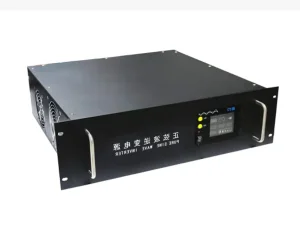
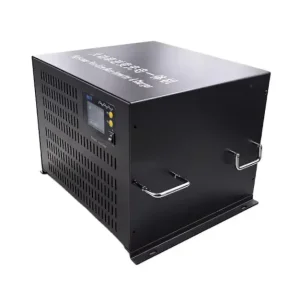
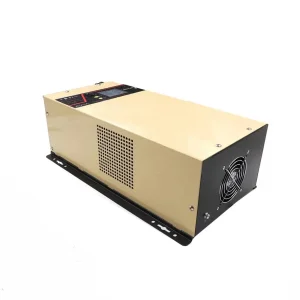
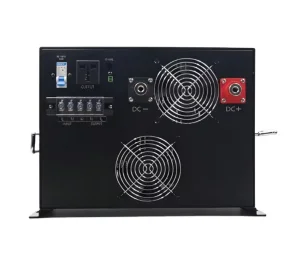
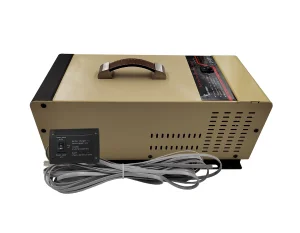
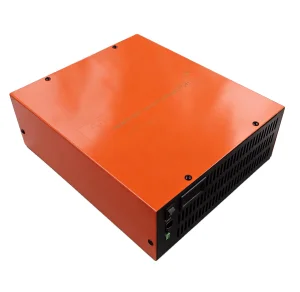
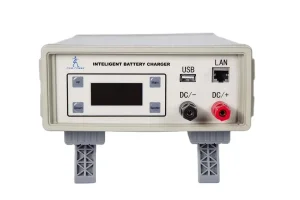
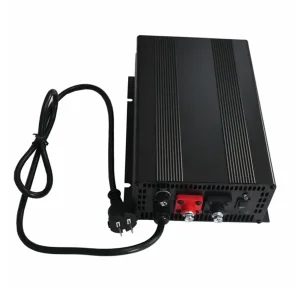
Analyzing macro-level supply chains, CE compliance mandates, and the widespread transition from legacy lead-acid charging to advanced LiFePO4 algorithm-driven power electronics.
The global industrial and automotive energy ecosystem is experiencing a historic transition. As energy storage shifts away from heavy, low-efficiency lead-acid, AGM, and gel chemistries toward high-density Lithium Iron Phosphate (LiFePO4) and Nickel Manganese Cobalt (NMC) battery packs, the demand for precision-engineered, CE-certified 12V lithium ion chargers has surged dramatically. A 12V lithium charging system is no longer a simple constant-voltage transformer; it is an intelligent, micro-controller-driven power conversion node responsible for battery longevity, thermal safety, and system-level energy efficiency.
In European and North American commercial markets, regulatory scrutiny regarding electromagnetic compatibility (EMC) and low-voltage electrical safety (LVD) has tightened. Importers, OEM vehicle builders, and industrial integrators require chargers verified under strict CE Directives (2014/35/EU Low Voltage Directive and 2014/30/EU EMC Directive). Achieving true CE compliance involves sophisticated harmonic distortion filters, active Power Factor Correction (PFC > 0.98), and galvanically isolated power stages that protect both the battery's Internal Battery Management System (BMS) and connected sensitive AC/DC loads.
Deep-dive analysis into European safety standards, thermal management topologies, and pre-programmed algorithm handshakes with Lithium BMS.
Lithium chemistry requires distinct charging profiles compared to lead-acid batteries. While lead-acid batteries benefit from prolonged trickling and float stages, lithium iron phosphate cells demand precise Constant Current / Constant Voltage (CC/CV) progression followed by immediate termination or a controlled standby mode to prevent metallic lithium plating.
| Charging Stage | Lithium (LiFePO4) Behavior | Lead-Acid (AGM/Gel) Comparison | BMS Protection Handshake |
|---|---|---|---|
| 1. Pre-Charge / Soft Start | Low current pulse if V cell < 2.5V; resets BMS low-voltage disconnect. | Uncontrolled high-current surge causes sulfation and thermal shock. | Verifies sensor health & absence of dead cell shorts. |
| 2. Constant Current (Bulk) | Full rated current output (e.g., 25A - 70A) up to ~14.2V - 14.6V terminal limit. | Slower current absorption due to high internal cell impedance. | Monitors thermal limits; auto-derates output if temp exceeds 45°C. |
| 3. Constant Voltage (Absorption) | Tapering current down to 3–5% of rated capacity while locking target voltage. | Requires multi-hour absorption stage to convert lead sulfate. | Allows passive/active balance boards to equalize cell voltages. |
| 4. Termination / Maintenance | Complete shut-off or precise low-voltage maintenance pulse (~13.5V). | Continuous trickle float voltage causing water loss/grid corrosion. | Sleep mode activated to prevent self-discharge and parasitical loss. |
How Wide-Bandgap GaN Semiconductors, CAN bus connectivity, and bidirectional V2X capabilities are transforming next-generation 12V lithium chargers.
By replacing silicon MOSFETs with GaN power transistors, modern 12V smart chargers achieve switching frequencies up to 500kHz, reducing magnetic component size by 40% while boosting conversion efficiency to 96%+.
Industrial chargers are adopting CANopen, J1939, and RS485 Modbus communications, allowing full real-time telemetry streaming to fleet dashboards, RV control panels, and cloud diagnostics.
Advanced AI-assisted thermal algorithms continuously dynamically adjust power density based on ambient heat, enclosure seal conditions, and component temperature sensors.
As vehicle electrification expands, 12V charging hardware must co-exist with higher-voltage architecture (24V, 48V, or 400V traction batteries). Modern OEM vehicle builders rely on hybrid chargers and combined inverter-chargers capable of seamlessly bridging DC-DC sources, grid AC inputs, and solar photovoltaic (MPPT) inputs within a single unified footprint.
From commercial RV fleets and marine vessels to off-grid telecom towers and emergency vehicle auxiliary power systems.
Combines high-current 12V lithium charging (up to 70A output) with automatic transfer switching. Provides clean pure sine wave power for air conditioners, microwaves, and induction cooktops while rapidly replenishing house battery banks upon shore power plug-in.
Potted electronics, anti-corrosive stainless/aluminum housings, and IP67 waterproof ratings guard against severe salt-spray environments, ensuring rapid charging for auxiliary trolling and house batteries.
Ambulances, fire rescue command vehicles, and mobile broadcast stations require 100% uninterrupted uptime. CE-certified high-frequency chargers supply clean DC current directly to onboard emergency gear without RF noise bleed.
Key technical parameters global B2B procurement managers must evaluate when selecting CE-certified 12V lithium charger suppliers in China.
When selecting an OEM factory for 12V lithium chargers, buyers must look beyond initial unit pricing. The overall total cost of ownership (TCO), warranty claim rates, and regulatory safety depend on rigorous manufacturing practices. Key production audit milestones include:
Addressing core procurement questions, electrical engineering edge cases, and CE certification compliance details for global importers.
Discover our full series of off-grid single-phase inverters, portable multi-stage chargers, wind turbine inverters, and hybrid power systems.