CE Certified Engineering • ISO 9001:2015 Manufacturing

CE Certification 18650 And Charger Supplier & Factories

Global B2B Industrial Whitepaper: Technical Architecture, Safety Compliance, Supply Chain Intelligence, and Smart Fast-Charging Infrastructure for 18650 Lithium-Ion Battery Systems.

Featured Industrial Inverters & Smart Charging Systems

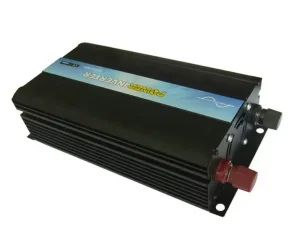
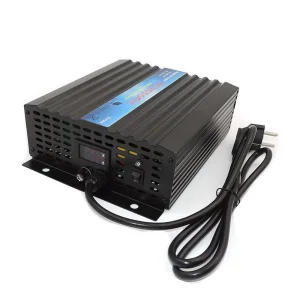
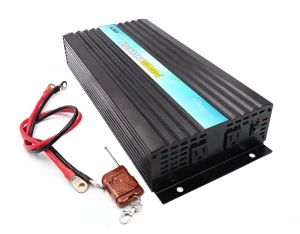
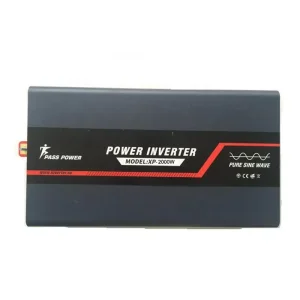
High-efficiency pure sine wave inverters and multi-stage intelligent lithium battery chargers optimized for 18650 battery packs.
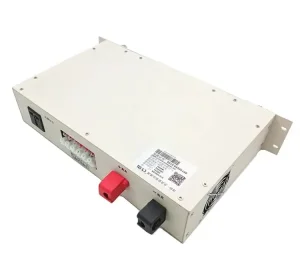
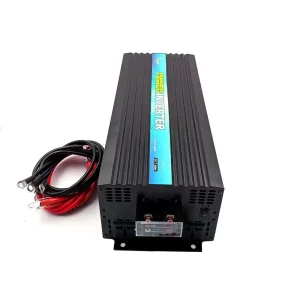
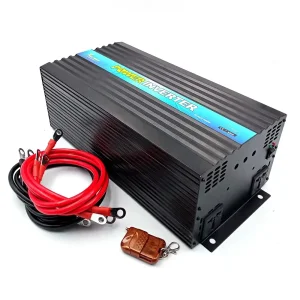
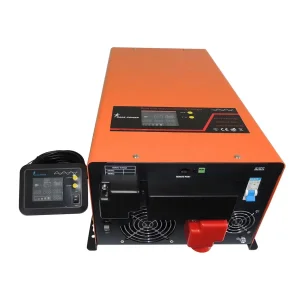
ODM Maili 4000W 230VAC Pure Sine Wave Charging Inverter
ODM Maili 4000W 230VAC±3% Single Rack-mounted Pure Sine Wave Charging Inverter 50/60Hz 95% Efficiency
View Product Specifications
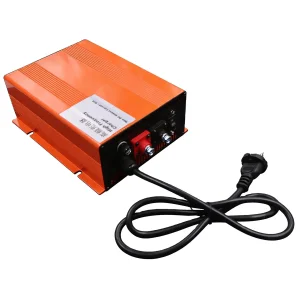
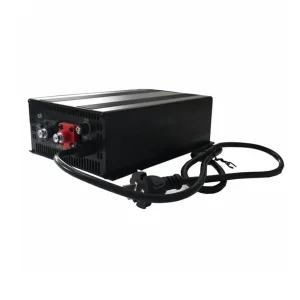
PASSPOWER Smart Charger 12V 80A 3 Stages Intelligent Charger
Best PASSPOWER Safe-design smart charger 12V 80A 3 Stages Intelligent Charger with Temperature Protection
View Product Specifications
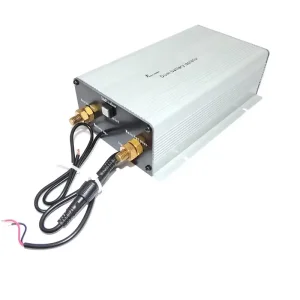
Custom 48V 220V 300W Solar Inverter Off-Grid
Custom 48V 220V 300W High Frequency Pure Sine Wave Solar Inverter Off-Grid Soft Start Power DC to AC
View Product Specifications
OEM 6000 Watts Pure Sine Wave Inverter High Frequency
High-Quality OEM 6000 Watts Pure Sine Wave Inverter High Frequency 24VDC to 230VAC Competitive Price
View Product Specifications
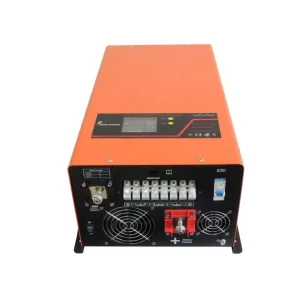
Maili 4KW Hybrid Solar Power Inverter
Best Maili 4KW Hybrid Solar Power Inverter 4000W 24V 230V 60A MPPT Single Inverter LCD LED Display
View Product Specifications
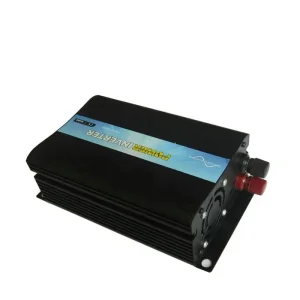
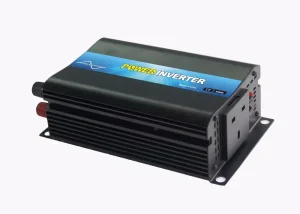
Wholesale 500W 220V Pure Sine Wave Inverter
Wholesale Single Output 500W 220V Inverter Pure Sine Wave DC 12V 24V 48V Inverter Converter
View Product Specifications
CE Certification Portable Pure Sine Wave Inverter 1KW
CE Certification Portable High Frequency 12V to 110V Pure Sine Wave Home Solar Power Inverter 1KW
View Product Specifications
ODM CE ROHS Portable Battery Charger DC12V 40A
ODM CE ROHS AC100v-240v DC12V 40A Lithium GEL AGM USB Compatible Portable Battery Charger
View Product Specifications

Global 18650 Ecosystem & CE Regulatory Mandates

An authoritative analysis of cylindrical cell demand, certification frameworks, and smart charging topologies across modern industrial applications.

2,500+
Cycles (80% DoD)
96.8%
Peak Charging Efficiency
< 0.5%
Annual Failure Rate
100%
CE & RoHS Compliant

The global energy landscape is undergoing a systemic transition toward localized energy density, modular energy storage systems (ESS), light electric vehicles (LEVs), and industrial automation. At the nucleus of this mobile electrification paradigm lies the 18650 cylindrical lithium-ion cell (18mm diameter, 65mm height) and its corresponding multi-channel, microprocessor-controlled charger systems. As enterprise buyers, OEMs, and tier-1 procurement managers evaluate sourcing partners, compliance with European Conformity (CE) directives—encompassing LVD (Low Voltage Directive 2014/35/EU), EMC (Electromagnetic Compatibility Directive 2014/30/EU), and RoHS (Restriction of Hazardous Substances Directive 2011/65/EU)—is no longer a mere regulatory hurdle, but an absolute operational imperative for global market clearance.

Information Gain Insight: Sourcing non-compliant 18650 battery cells or uncertified smart chargers introduces severe tail-end financial risks, including customs impoundments under EU Regulation 2019/1020, product liability exposure under Directive 85/374/EEC, and catastrophic thermal runaway incidents that compromise brand equity.

The Regulatory Whitepaper: CE Marking Architecture

A legitimate CE Certification for 18650 cells and industrial chargers requires rigorous testing against harmonized international standards. Suppliers claiming "CE compliance" must produce verifiable Technical Construction Files (TCF) backed by accredited ISO/IEC 17025 laboratory test reports covering:

  • IEC 62133-2:2017 / EN 62133-2:2017: Safety requirements for portable sealed secondary lithium cells and batteries. Tests include external short-circuit, thermal abuse (130°C thermal exposure), mechanical drop, crushing, overcharging, and forced discharge.
  • EN 60335-2-29: Particular requirements for battery chargers connected to low-voltage AC mains, governing electrical safety, creepage distances, and insulation barriers.
  • EN 55014-1 & EN 55014-2: Electromagnetic emission and immunity parameters ensuring the charger does not pollute the local grid with harmonic distortion or suffer susceptibility to electrostatic discharges (ESD).
  • UN38.3 Transport Safety: Crucial for lithium battery air/sea freight, requiring 8 distinct stress tests (Altitude, Thermal, Vibration, Shock, External Short Circuit, Impact, Overcharge, Forced Discharge).

Engineering Deep-Dive: Smart Charger Topologies & Cell Physics

Optimizing life cycle economics through precision CC/CV profiles, active thermal management, and BMS handshake protocols.

3-Stage / 4-Stage CC/CV Charging

Advanced algorithmic transition from Constant Current (CC) fast-fill to Constant Voltage (CV) saturation, ending in Float/Trickle or complete cutoff. Prevents lithium plating during low-temperature charging regimes.

Multi-Layer Hardware Protection

Dedicated ASIC controllers monitor per-channel voltage, current, and delta-temperature (NTC thermistors). Instantaneous hardware shutdown occurs within <10 microseconds during dead-short detection.

SMART BMS & CANbus Communication

Integrated RS485 / CANbus 2.0B / SMBus protocols enable real-time telemetry communication between charger and battery pack, adjusting dynamic charge parameters based on State of Charge (SoC) and State of Health (SoH).

Comparative Matrix: 18650 Cell Chemistry Profiles

Selecting the optimal 18650 cell supplier requires evaluating internal impedance, cathode chemistry, energy vs. power density tradeoffs, and cycle degradation characteristics under enterprise operating parameters.

Chemistry Type Cathode Composition Nominal Voltage Energy Density Cycle Life (80% DoD) Max Discharge C-Rate Primary Target Application
NMC (LiNiMnCoO2) Nickel Manganese Cobalt 3.6V - 3.7V 200 - 260 Wh/kg 1,000 - 1,500 5C - 10C Continuous Electric Power Tools, Medical Equipment, LEVs
LFP (LiFePO4) Lithium Iron Phosphate 3.2V - 3.3V 120 - 160 Wh/kg 2,500 - 4,000+ 3C - 5C Continuous Telecom Backup ESS, Solar Storage, Marine
LCO (LiCoO2) Lithium Cobalt Oxide 3.7V 180 - 220 Wh/kg 500 - 800 1C - 2C Continuous Consumer Electronics, Handheld Devices
LTO (Li4Ti5O12) Lithium Titanate Anode 2.3V - 2.4V 70 - 110 Wh/kg 10,000 - 20,000 10C - 30C Pulse Ultra-Fast Charging AGVs, Extreme Cold Environments

High-quality 18650 smart chargers must dynamically sense cell state and apply temperature-compensated charging algorithms. When temperatures drop below 0°C, charging current must be automatically derated to prevent dendrite formation on the graphite anode, which is the leading cause of internal shorts and cell degradation in industrial battery fleets.

Global Procurement Demand & Enterprise Solutions

How OEM factories and global distributors mitigate supply chain risks while optimizing total cost of ownership (TCO).

Procurement teams across North America, Europe, and Asia-Pacific face complex challenges regarding cell consistency, batch-to-batch capacity matching, and charger efficiency integration. Sourcing directly from verified Chinese factories with certified quality management systems (ISO 9001:2015) bridges the gap between cost-competitiveness and industrial reliability.

Enterprise Sourcing Vulnerabilities & Mitigation Protocols

  • Capacity Inflation & Counterfeit Cells: Unverified suppliers often relabel low-tier 1800mAh cells as 3500mAh units. Tier-1 suppliers enforce 100% automated internal resistance (AC IR) and capacity grading via automated sorting lines prior to module pack assembly.
  • Thermal Inefficiency in Heavy-Duty Chargers: High-power multi-channel chargers operating continuously generate substantial heat. Industrial suppliers incorporate Gallium Nitride (GaN) or Silicon Carbide (SiC) power switches, boosting conversion efficiency to >95% while minimizing fan noise and chassis volume.
  • Custom Housing & Electrical Form Factors: From rack-mounted 19-inch energy storage chargers to IP67 sealed waterproof chargers for outdoor service vehicles, OEM suppliers provide tailored aluminum enclosure extrusions, custom harness terminations, and private-label firmware branding.
Factory Quality Protocol: Every CE-certified charger leaving the manufacturing facility undergoes a mandatory 4-hour 100% full-load dynamic burn-in test inside high-temperature burn-in chambers, accompanied by automated hi-pot insulation testing up to 3000V AC.

Technology Roadmap: Next-Generation 18650 & Charger Innovations

Tracking the evolution toward higher volumetric energy densities, AI-driven health diagnostics, and ultra-fast charging architectures.

Silicon-Composite Anodes (2025–2028)

Transitioning from pure graphite to silicon-carbon (Si-C) composite anodes allows 18650 cell capacities to scale past 3800mAh–4000mAh in standard dimensions without compromising volumetric stability.

AI Cloud Predictive Maintenance

Smart chargers connected via IoT/MQTT interfaces upload real-time electrochemical impedance spectroscopy (EIS) data to cloud dashboards, predicting battery pack failure weeks before catastrophic breakdown.

Bi-Directional V2G & V2X Chargers

Next-generation inverter-chargers feature bi-directional power conversion, enabling 18650 pack arrays to seamlessly feed energy back to microgrids during peak-tariff periods.

Enterprise Sourcing FAQ (Frequently Asked Questions)

Technical and commercial clarity for engineering directors, compliance managers, and global sourcing specialists.

Q1: What specific documentation is required to verify a supplier's genuine CE certification for 18650 chargers?
A authentic CE certification set must include the official EU Declaration of Conformity (DoC) signed by the factory legal representative, alongside detailed test reports from an accredited 17025 testing body (such as TUV, SGS, Intertek, or BV) referencing current harmonized standards: EN 60335-2-29 (Safety), EN 55014-1/2 (EMC), and IEC 62133-2 (Battery Safety).
Q2: Can an 18650 smart charger configured for LiFePO4 be used to charge NMC lithium-ion cells?
No. LiFePO4 cells have a nominal voltage of 3.2V and a strict charge cutoff voltage of 3.65V per cell, whereas NMC cells have a nominal voltage of 3.6V–3.7V and a cutoff voltage of 4.20V per cell. Using a LiFePO4 charger on NMC cells will undercharge them significantly, while using an NMC charger on LiFePO4 will cause severe overcharging, leading to venting, thermal runaway, and fire hazards. Multi-chemistry chargers must feature programmable or switchable profile dip-switches.
Q3: What are the primary causes of capacity imbalance in 18650 battery packs, and how do smart chargers resolve this?
Capacity imbalance arises from subtle variations in self-discharge rates, internal resistance (IR), and operating temperature gradients across series-connected cell strings. Smart chargers integrated with BMS balance leads apply active or passive balancing currents (bleeding excess voltage from fully charged cells while continuing to charge lower-voltage cells) to maintain delta-voltage across all series banks below 10-15mV.
Q4: What customization options (OEM/ODM) are typical for industrial charger manufacturing?
Factories offer extensive OEM customization including DC voltage/current setpoints, custom charge curves, custom output connectors (Anderson, XLR, GX16, terminal blocks), aluminum anodized chassis colors, silk-screened logos, custom LCD display metrics, and software integration (custom CANbus bitrates and message IDs for proprietary BMS handshakes).
Q5: How does UN38.3 transport certification affect air and sea freight logistics for 18650 battery chargers?
UN38.3 certification applies specifically to lithium cells and battery packs, not standalone standalone chargers. However, if the shipment contains a charger bundled *with* 18650 lithium cells or embedded inside a power bank, a complete UN38.3 test report along with a Transport Safety Summary (MSDS) and drop test certification (1.2m drop test) is mandatory for airline cargo clearance under IATA Dangerous Goods Regulations (DGR).

Explore Complete Commercial Charger & Inverter Product Range

Factory-direct solutions, fully certified for global distribution and seamless OEM integration.
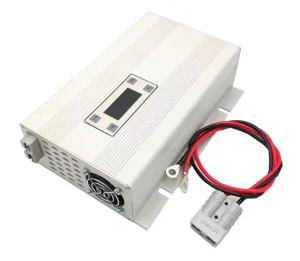
CE Certification Maili Intelligent Charger
CE Certification Maili New Electric Car Intelligent USB Battery Charger 12V DC Output with Boost Options
View Product Specifications
Wholesale CE ROHS Intelligent Inverter 2kw
Wholesale CE ROHS intelligent inverter 2kw Home Off-grid compatible inverter 12V 110V 2000W Solar Inverter
View Product Specifications
High-Quality Maili 2000W Power Inverter
High-Quality Maili 2000W Power Inverter Single-Phase DC to AC Pure Sine Wave 12V 120V LCD Aluminum Shell
View Product Specifications
OEM Maili Dual Battery Isolator 400 Amp
OEM Maili BS-173 Efficient 90% Dual Battery Isolator 12/24 Volt 400 Amp Auto Switches Lead-Acid Lithium
View Product Specifications
OEM Portable High-frequency Charger 80A
OEM Maili CE ROHS Portable High-frequency Charger 110V/220V AC to 12V DC 80A Lithium GEL AGM Charger
View Product Specifications
Wholesale CE RoHS Certified 4kw Pure Sine Wave Inverter
Wholesale CE RoHS Certified 4kva 4kw 4000W Pure Sine Wave Power Inverter 48V to AC120V Remote Control
View Product Specifications
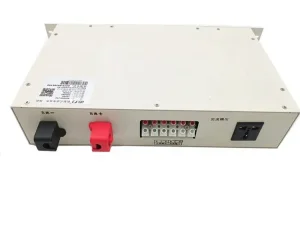
Maili 1500W Rack-mounted Inverter Charger
Wholesale Maili 1500W Rack-mounted Pure Sine Wave Inverter & Charger 110V/220V Full Protection
View Product Specifications
Low Frequency Hybrid Solar Inverter Charger 5KW
Low Frequency Hybrid Solar Pure Sine Wave Inverter Charger LCD 5KW 24V 48V to 230V 60A MPPT
View Product Specifications