ISO 9001:2015 & CE Certified Power Engineering

CE Certification Marine/RV/EMS Vehicles/Fire Trucks Suppliers & Product

Technical Whitepaper & Sourcing Specification Guide for Mission-Critical Mobile Power Architectures, High-Surge Inverter Chargers, and Dual Battery Management Systems

Featured Marine & Special Vehicle Power Systems (Set 1)

Engineered for high-vibration, moisture-rich, and mission-critical operating environments requiring robust CE, RoHS, and LVD compliance.
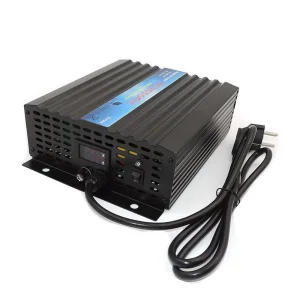
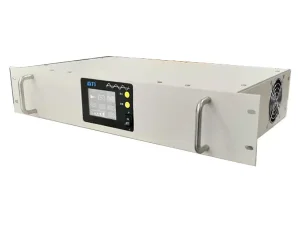
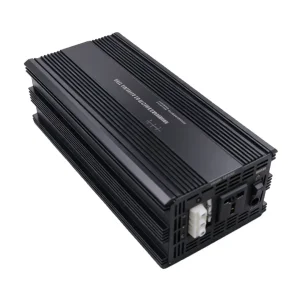
Portable Battery Charger Manufacturer
ODM CE ROHS AC100v-120v/220v-240v DC12V 40A Lithium GEL AGM USB Compatible Portable Battery Charger Manufacturer, Suppliers
View Technical Specifications
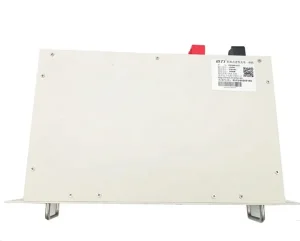
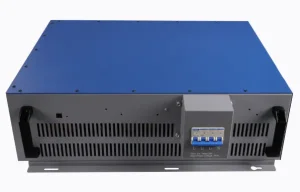
1KW Rack-mounted Inverter
Best Maili 110V/220V AC 1KW Rack-mounted Pure Sine Wave Charging Inverter Integrated Converter 50/60Hz Multiple Protection Functions Suppliers, Factories
View Technical Specifications
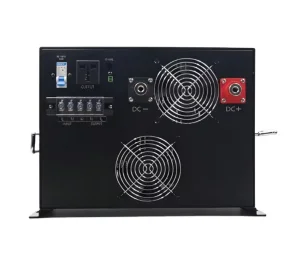
10KW High-power Inverter Charger
ODM Maili 10KW High-power 110/220VAC Single Phase Pure Sine Wave Inverter & Charger With Multiple Protection Functions for Electric Vehicles Manufacturer, Factories
View Technical Specifications
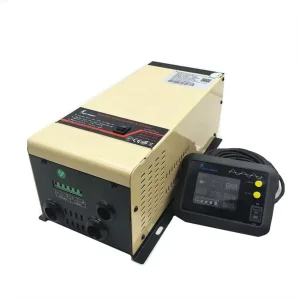
2KW Rack-mounted Inverter Charger
Custom Maili 2KW Rack-mounted Pure Sine Wave Integrated Inverter Charger, 110V/220V AC, 50/60Hz, Multiple Protections Suppliers, Exporters
View Technical Specifications
6kw High Voltage Inverter
Custom CE ROHS 6kw high voltage dc 380v to ac 110v and 220v pure sine wave inverter efficiency 94% Factory, Factories
View Technical Specifications
300W Ultra-thin Inverter Charger
CE Certification MAILI 300W Ultra-thin Wall-mounted Commercial Vehicle Inverter Charger New Small Design Off-Grid Low Frequency Pure Inverter & Converter Factories, Exporter
View Technical Specifications
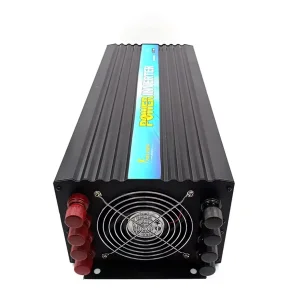
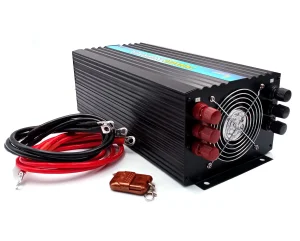
8000w Pure Sine Wave Solar PV Inverter
Custom Black Color Intelligent High Frequency Battery 8000w 48v 110v 220v Type Optional Pure Sine Wave Solar PV Inverter For Car Camper Water Pump Motor Manufacturer, Factory
View Technical Specifications
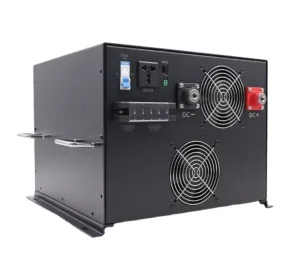
8KW Pure Sine Wave Inverter Charger
High-Quality Maili High-power 110V/220V AC 8KW Pure Sine Wave 95% Efficiency Inverter Charger Multiple Protection Functions Suppliers, Factories
View Technical Specifications

CE Compliance Standards & Executive Technical Summary

A rigorous examination of mandatory electromagnetic compatibility (EMC), low voltage directives (LVD), and mechanical durability standards required for mobile power systems.

LVD & Safety Mandates (EN 62368-1 / EN 60950-1)

Modern commercial vehicles, emergency services, and marine craft deploy high-density energy storage arrays. Standard safety compliance under the Low Voltage Directive (LVD 2014/35/EU) dictates stringent electrical isolation distances, thermal runway containment, and creepage thresholds. Inverter chargers operating across 12V/24V/48V/380V DC to 110V/220V AC must feature galvanic isolation, preventing high-voltage DC transient leaks into the low-voltage vehicle chassis grid.

EMC Directives (EN 61000-6-2 / EN 61000-6-4)

Electromagnetic Interference (EMI) can severely degrade sensitive medical telemetry in EMS ambulances, radio navigation in fire command units, and sonar equipment on marine vessels. CE-certified power electronics incorporate multi-stage LC filters, ferrite core dampeners, and shielded aluminum enclosures to comply with heavy industrial emission limits (EN 61000-6-4) and immunity benchmarks (EN 61000-6-2) against electrostatic discharge (ESD) and electrical fast transients (EFT).

Automotive E-Mark & ISO 7637-2 Transient Protection

Beyond standard CE compliance, special vehicle power architectures must withstand automotive load dump conditions. The ISO 7637-2 standard defines transient immunity against voltage spikes generated by alternator field decay or sudden load disconnections. Our heavy-duty vehicle inverters integrate high-joule Metal Oxide Varistors (MOVs) and Transient Voltage Suppressor (TVS) diodes capable of clamping surges up to 100V DC without disrupting output AC power synthesis.

THD < 2%
Pure Sine Wave Clarity
300%
Low-Freq Surge Capacity (20ms)
95%
Peak Conversion Efficiency
< 10ms
UPS Transfer Time

China Manufacturing Advantages in Vehicle & Marine Power Systems

Analyzing the structural, supply chain, and technological edge that positions Chinese OEM/ODM factories at the forefront of global mobile power electronics production.

The global transition toward electrified mobility, heavy-duty commercial vehicle auxiliary electrification, and hybrid marine propulsion has established China as the epicenter of advanced power electronics manufacturing. Operating from specialized industrial clusters such as Suzhou and the Guangdong Bay Area, top-tier Chinese manufacturers offer global OEMs unprecedented advantages across four primary dimensions:

1. Fully Integrated Supply Chain Ecosystem

China controls over 80% of the worldwide upstream supply chain for raw magnetic materials (such as high-permeability grain-oriented silicon steel for toroidal transformers), Power MOSFETs, IGBT modules, and advanced LiFePO4 battery management hardware. This geographical density allows factory engineers to turn around custom high-power inverter prototypes (e.g., 10KW split-phase or 15KW 3-phase units) in days rather than months, reducing time-to-market for European and North American vehicle outfitters.

2. Advanced Automated SMT & Vacuum Impregnation

Precision manufacturing in facilities like Suzhou Maili Electrical Appliance Co., Ltd. incorporates high-speed automated Surface Mount Technology (SMT) lines, automated optical inspection (AOI), and vacuum pressure impregnation (VPI) for toroidal copper transformers. VPI treatment prevents moisture penetration, eliminates acoustic coil hum under heavy surge loads, and guarantees structural integrity against continuous 3G chassis vibrations in off-road fire trucks and rough-water marine vessels.

3. Rigorous Quality Control & Environmental Burn-in

Leading Chinese exporters maintain strict ISO 9001:2015 quality management systems. Every CE-certified inverter charger undergoes 100% full-load thermal burn-in testing inside high-temperature chambers (45°C to 60°C) for a minimum of 4 to 8 hours. Automated tester arrays measure total harmonic distortion (THD), power factor, transient response times, and over-voltage shutoff points under simulated inductive, capacitive, and resistive load curves prior to final packaging.

Architecture Feature Low Frequency (Toroidal Transformer) High Frequency (Switch-Mode Switching)
Primary Target Application Heavy inductive loads (RV rooftop A/C, hydraulic rescue tools, pumps) Sensitive electronics, communications, lighting, compact spaces
Surge Capacity Factor 300% nominal rating for 20 milliseconds 150% to 200% nominal rating for 100 milliseconds
Galvanic Isolation Inherent physical copper isolation (High Safety) Electronic isolation via high-frequency ferrite transformer
Weight & Form Factor Heavier due to solid copper core; ideal for fixed chassis mount Ultra-lightweight, compact wall-mounted or rack-mounted design
Idle Current Draw Low idle power consumption in Search Mode (< 0.5A) Extremely low active conversion losses (> 94% efficiency)

Industry Trends: The Next Era of On-Board Mobile Power

Key technological shifts driving procurement strategies across marine builders, RV OEMs, EMS fleet fleet managers, and emergency service providers worldwide.

1. High-Voltage DC Systems (380V DC Platforms)

As commercial transit and municipal emergency response fleets transition to full electric vehicles (EVs), auxiliary power equipment is evolving from classic 12V/24V architectures to high-voltage DC step-down systems. Modern 6kW to 10kW inverters directly accept 380V DC from the vehicle’s primary traction battery pack, efficiently stepping down and synthesizing pure 110V/220V AC power for on-board tools, medical diagnostic suites, and heavy lighting rigs without requiring bulky auxiliary low-voltage alternator setups.

2. Universal Smart BMS & Multi-Chemistry Adaptability

Legacy lead-acid and AGM battery banks are rapidly being replaced by Lithium Iron Phosphate (LiFePO4) chemistry due to its superior cycle life (>4,000 cycles) and high energy density. Next-generation battery chargers and integrated inverter-chargers feature programmable 3-stage charging profiles (Bulk, Absorption, Float) with custom absorption timers, temperature compensation sensors, and CAN-bus communication interfaces to sync seamlessly with active Battery Management Systems (BMS).

3. Digital Command & NMEA 2000 / CAN-bus Telemetry

Modern yachts and rescue vehicles demand unified touchscreen control panels. Inverters and solar controllers are no longer standalone black boxes; they now feature embedded CANopen, RV-C, or NMEA 2000 communication protocols. This allows vessel captains and emergency drivers to monitor real-time AC load, DC battery state-of-charge (SOC), remaining runtime, and thermal warnings directly on central digital dashboards or remote cloud telemetry portals.

Localized Application Scenarios & Engineering Solutions

Tailored power distribution configurations solving real-world operational challenges across four specialized vehicle and marine sectors.

Marine Sector

Yachts, Commercial Fishing & Patrol Vessels

Operational Challenges: Extreme humidity, salt fog corrosion, hull vibration, and high risk of galvanic corrosion during shore power hookups.

Engineering Solution: Marine-grade pure sine wave inverter chargers featuring conformal-coated PCB assemblies, stainless steel hardware, and dual battery isolators. An automatic transfer switch (ATS) guarantees sub-10ms seamless transfer from shore power to battery power upon unplugging at the dock, preserving live radar, GPS chart plotters, and refrigeration systems without rebooting bridge electronics.

Recreational Vehicles

Luxury Caravans, Motorhomes & Overland Campers

Operational Challenges: High initial surge currents from inverter rooftop air conditioners (up to 3.5x running current), tight space constraints, and solar hybrid integration.

Engineering Solution: Low-frequency pure sine wave inverters (1.5kW to 6kW) equipped with high-surge toroidal transformers and integrated MPPT solar charge controllers. Features adjustable charging current settings to prevent tripping campground circuit breakers when connected to restricted 15A shore power lines.

Emergency Medical

Type I, II, & III Ambulances & Mobile Clinics

Operational Challenges: Strict requirement for ultra-clean electricity (THD < 2%) to power sensitive ECG monitors, defibrillators, suction pumps, and mobile ventilators without electrical interference.

Engineering Solution: High-frequency rack-mounted or wall-mounted integrated inverter chargers delivering medical-grade power quality. Multi-stage isolated output circuitry prevents ground loops, while intelligent dual battery isolators prioritize the chassis starter battery to guarantee the ambulance engine always ignites instantly.

Fire & Rescue

Heavy Fire Engines & Hazard Command Vehicles

Operational Challenges: Operation of heavy-duty hydraulic cutters, high-output LED floodlight towers, vehicle-mounted smoke ejectors, and high thermal ambient exposure.

Engineering Solution: Heavy-duty 8kW to 15kW single-phase or 3-phase off-grid power systems designed with rugged IP30/IP65 aluminum housings. Built-in soft-start routines mitigate extreme mechanical shock during motor startup, while dual high-speed intelligent cooling fans dynamically adjust speed based on internal heatsink temperatures up to 60°C.

Global Enterprise Procurement & OEM Integration Checklist

Essential technical parameters required by commercial purchasing managers, vehicle upfitters, and system integrators during technical specification reviews.

Technical RFQ Specification Framework for Inverters & Chargers

When issuing a Request for Quotation (RFQ) to Chinese power electronics manufacturers, specifying precise environmental, electrical, and mechanical boundaries ensures optimal product customization and compliance adherence:

  • Input DC Voltage Window: Specify nominal voltage (12VDC, 24VDC, 48VDC, 96VDC, or 380VDC) along with low-voltage cutoff (LVD) thresholds and over-voltage shutdown margins suited to your LiFePO4 or AGM battery chemistry.
  • AC Output Synthesis & Sockets: Define exact AC voltage (100V, 110V, 120V, 220V, 230V, or 240V), frequency (50Hz / 60Hz switchable), output phase (Single Phase, Split Phase 120V/240V, or 3-Phase 380V), and regional socket types (NEMA 5-20R, Schuko, UK 13A, Universal, or hardwire terminal blocks).
  • Charger & Transfer Switch Configuration: Confirm internal AC charging amperage (e.g., 25A, 30A, 40A, 100A adjustable) and automatic transfer switch (ATS) relay speed (< 10ms UPS mode vs 20ms appliance mode).
  • Enclosure Protection & Mounting: Choose between ultra-thin wall-mounted chassis, 19-inch rack-mounted modules, or ruggedized floor-mounted enclosures with specific ingress protection (IP20, IP30, IP65).
  • Custom Branding & UI: OEM private-label requests should include silkscreen logo artwork, custom housing colors (e.g., matte black, rescue red, safety yellow), LCD display menu translations, and packaging branding.

Featured Marine & Special Vehicle Power Systems (Set 2)

High-efficiency portable chargers, off-grid solar inverters, and multi-phase power modules designed for heavy commercial and emergency applications.
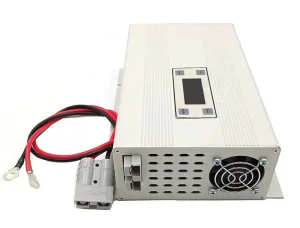
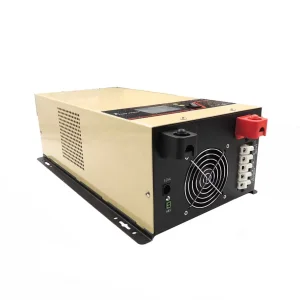
12V 25A Battery Charger
OEM Maili High Performance Intelligent LCD Digital Display 12V 25A Automatic Fast Car Portable Battery Charger Manufacturer, Factory
View Technical Specifications
3000 Watt Pure Sine Wave Solar Inverter
OEM 3000 Watt Pure Sine Wave Off-gri Solar Inverter 24v 220v RV Energy System with Charger for Household Appliances 3KVA for Home Use Suppliers, Factory
View Technical Specifications
15kVA 3 Phase High Frequency Inverter
ODM ML-15KW-3P CE CB ROHS certified Customized 15kVA 3 Phase High Frequency Inverter 24v 48v DC to 190v 380v AC 15kw Off-grid Tie System Triple Output 110v Factory, Exporters
View Technical Specifications
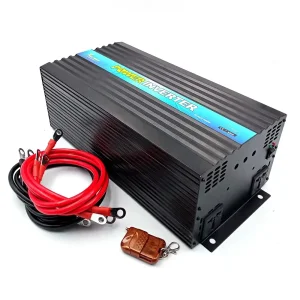
4kw Pure Sine Wave Power Inverter
Wholesale CE RoHS Certified 4kva 4kw 4000 Watts Pure Sine Wave Power Inverter 48V to AC120V Remote Control Grid 4000W Inverter with Soft-start Function Exporter, Products
View Technical Specifications
3000W Single Output Car Power Inverter
Best MAILI 3000W Single Output Car Power Inverters New Design 24V DC to 110V AC High Frequency Transformer 24V DC 110V AC 50Hz for Home Appliance Exporters, Exporter
View Technical Specifications
3000W Inverter Charger All-in-One
Wholesale Maili 3000W 110V/220V AC Single Phase 30A 50/60Hz Pure Sine Wave High Frequency Inverter Charger All-in-One Manufacturers, Supplier
View Technical Specifications
MPPT Solar Charging Controller
Wholesale MPPT Solar Charging Controller Manufacturer, Factory
View Technical Specifications
6KW Low Frequency Inverter Charger
Cheap Maili CE Certified Customizable 6KW Low Frequency Inverter Charger DC 24V to AC 110V 6000 Watts for Off -grid Solar Power System Manufacturer, Exporters
View Technical Specifications

Technical & Sourcing Q&A (Frequently Asked Questions)

In-depth engineering answers addressing compliance, installation, topology selection, and OEM customization requirements.

Q1: What specific testing protocols are required under CE certification for marine and emergency vehicle inverters?
A: CE certification for marine and special vehicles encompasses two main directives: the Low Voltage Directive (LVD 2014/35/EU) and Electromagnetic Compatibility (EMC 2014/30/EU). Under LVD, equipment is tested against EN 62368-1 for electrical insulation, creepage distances, dielectric withstand voltage (hipot testing), and temperature rise under full load. Under EMC, products undergo radiated and conducted emission testing according to EN 61000-6-4 and immunity testing under EN 61000-6-2. For vehicle integration, compliance with ISO 7637-2 (conducted electrical transients along supply lines) ensures the inverter survives motor cranking pulses and load dumps without component breakdown.
Q2: When should an engineer specify a Low-Frequency Inverter versus a High-Frequency Inverter for RV or EMS applications?
A: Low-frequency inverters utilize heavy, line-frequency copper toroidal transformers that provide massive instant surge capability (up to 300% of nominal rating for 20 milliseconds) and exceptional galvanic isolation. They are ideal for motor-heavy inductive loads such as RV rooftop air conditioners, heavy refrigeration compressors, and electric hydraulic rescue tools on fire trucks. High-frequency inverters use electronic switching and smaller ferrite cores, rendering them ultra-compact, lightweight, and highly efficient (>94%). They are preferred for space-constrained installations powering resistive or electronic loads, such as diagnostic computers, LED lighting arrays, and communications gear in EMS ambulances.
Q3: How does an Intelligent Dual Battery Isolator function in dual-battery vehicle platforms?
A: An Intelligent Dual Battery Isolator (such as a 12V 200A unit) connects the engine starting battery and the auxiliary house battery bank (AGM or LiFePO4) in parallel only when the vehicle alternator is actively charging (typically when voltage rises above 13.3V DC). When the engine is turned off and house loads (inverters, lights, pumps) draw power, the isolator automatically disengages at 12.8V DC. This isolates the main starter battery, ensuring it remains fully charged at 100% capacity so the engine can always restart reliably, regardless of auxiliary battery depletion.
Q4: What are the primary advantages of integrating a 380V High-Voltage DC Inverter into modern electric fire trucks and electric commercial fleets?
A: Electric fire trucks and commercial EVs utilize high-voltage main traction batteries (typically 300V DC to 400V DC). Traditional 12V/24V auxiliary systems require massive step-down DC-DC converters to supply high-power 6kW to 10kW AC inverters, causing heavy current draws (over 500A at 12V) that necessitate thick, heavy copper cabling. A 380V DC to 110V/220V AC Pure Sine Wave Inverter connects directly to the high-voltage DC bus. This reduces current draw to approximately 16A at 380V DC for a 6kW load, dramatically reducing cable weight, thermal loss, and copper costs while enhancing overall conversion efficiency up to 94%.
Q5: Can Maili pure sine wave inverter-chargers be customized for lithium battery bank communication via CAN-bus?
A: Yes. Factory OEM/ODM customization options include communication protocols such as RS485, CAN-bus, or Modbus. By establishing direct handshake communication between the inverter charger's control board and the smart Battery Management System (BMS) inside LiFePO4 battery packs, the charger automatically adjusts charging current and voltage limits in real time based on cell temperature, individual cell voltage balance, and state-of-charge (SOC), maximizing battery cycle life and preventing overcharge shutoffs.
Q6: How does the Automatic Transfer Switch (ATS) inside an inverter charger operate during shore-power connection?
A: An integrated Automatic Transfer Switch continuously monitors incoming AC shore power or generator input. When external AC power is detected within acceptable voltage and frequency limits (e.g. 90V-135V AC for 110V networks), the internal relay switches within 10 milliseconds, routing shore power directly to the vehicle's AC branch circuits while simultaneously activating the internal multi-stage battery charger to replenish the DC battery bank. If shore power is disconnected or fails, the ATS instantly switches back to inverter mode, synthesizing AC power from the battery bank without interrupting connected critical loads.

Partner with an ISO 9001:2015 Certified Power Electronics Manufacturer

Whether you are engineering next-generation electric fire engines, luxury marine yachts, commercial RV fleets, or emergency medical vehicles, Suzhou Maili Electrical Appliance Co., Ltd. provides complete OEM/ODM design, prototyping, CE-certified production, and global export support.

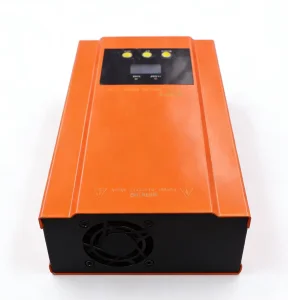
Request Engineering Consultation Download OEM Product Catalog