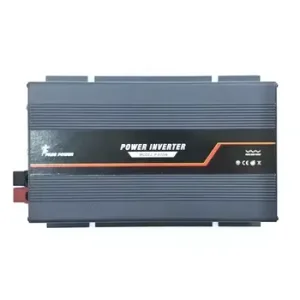
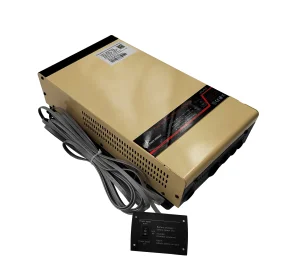
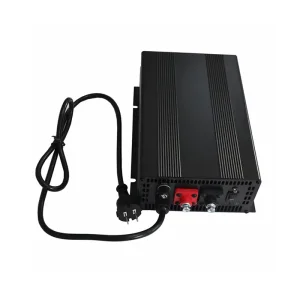
Factory-direct CE, RoHS, and SGS certified power conversion equipment engineered for off-grid energy, automotive, and marine environments.
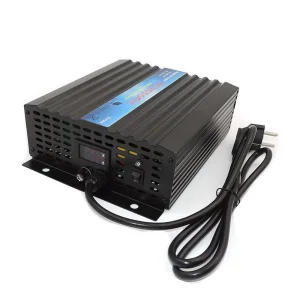
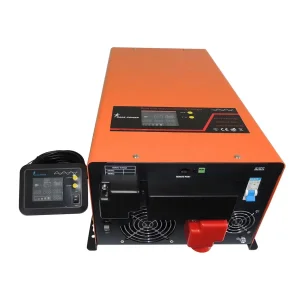
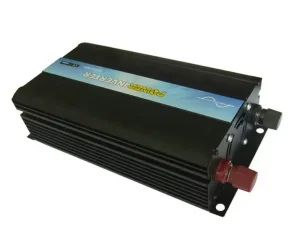
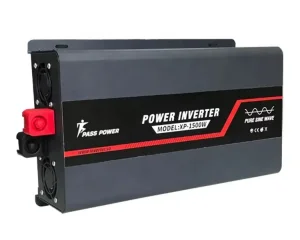
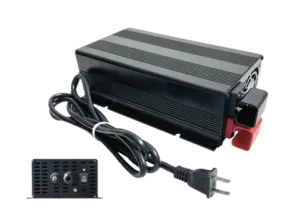
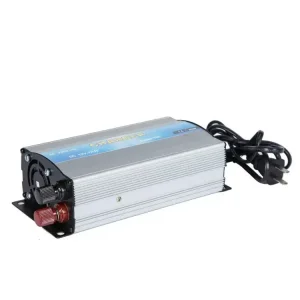
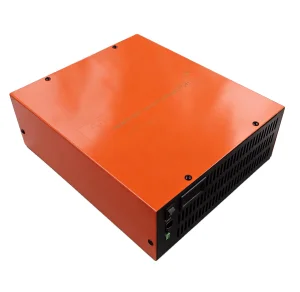
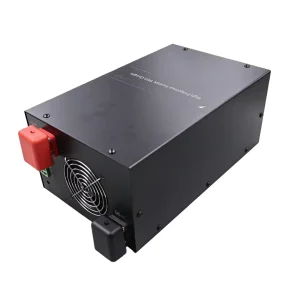
In modern electrical engineering and off-grid power infrastructure, Continuous Rated Power defines the true operational baseline of an inverter or battery charging system. Unlike peak surge ratings—which describe transient power capabilities lasting milliseconds—rated power represents the uncompromised electrical output an energy conversion system can sustain indefinitely under specified ambient thermal parameters (typically 40°C to 50°C) without triggering thermal derating or insulation degradation.
The CE Marking is not merely a trading pass; it is a rigorous certification framework governed by strict European Union directives. For rated power hardware, compliance is divided into two mandatory pillars:
Industrial loads such as inductive motors, medical refrigeration, precision CNC power supplies, and HVAC compressors require ultra-clean AC power. CE certified pure sine wave inverters utilize Pulse Width Modulation (PWM) filtered through high-Q LC networks, achieving a Total Harmonic Distortion (THD) of less than 3%.
This mimics utility grid power, eliminating harmonic heating in copper windings, acoustic noise in motor cores, and phase-angle flickering in delicate electronics.
The global demand for high-reliability rated power manufacturing is experiencing an accelerated compound annual growth rate (CAGR), driven by commercial fleet electrification, off-grid telecommunications, and decentralized renewable storage networks across Europe, North America, and Australia.
Enforcement of strict CE mark audits, combined with RoHS (Restriction of Hazardous Substances) and REACH compliance, prevents low-tier non-compliant power electronics from entering the EU market, favoring suppliers with traceable ISO 9001:2015 manufacturing controls.
Emergency medical vehicles (ambulances), service trucks, mobile command centers, and recreation vehicles (RVs) require dual-battery isolation and seamless transfer switching between shore AC power, alternator DC power, and lithium auxiliary banks.
Hybrid solar inverters combining MPPT (Maximum Power Point Tracking) charge controllers with heavy-duty low-frequency inverters are replacing legacy fuel generators, lowering carbon footprints and operational expenditures (OPEX).
Choosing the right power architecture requires balancing physical weight, continuous thermal endurance, surge tolerance, and harmonic purity. The table below illustrates the structural trade-offs between High-Frequency (HF) switching designs and Low-Frequency (LF) toroidal transformer topologies.
| Performance Dimension | High-Frequency (HF) Inverters | Low-Frequency (LF) Toroidal Inverters | Smart 3-Stage Battery Chargers |
|---|---|---|---|
| Primary Topology | High-speed MOSFET switching + compact ferrite transformer | Heavy-duty toroidal iron-core line transformer | Resonant LLC / PWM Switched Mode Power Supply (SMPS) |
| Surge Capacity Rating | 150% to 200% peak rating (< 20ms) | 300% sustained surge rating for up to 10–20 seconds | N/A (Constant Current / Constant Voltage limiting) |
| Power Density & Weight | Ultra-compact, lightweight, high spatial efficiency | Heavier weight, rugged mechanical vibration tolerance | Portable housing, integrated cooling fans |
| Target Load Types | Resistive loads, computers, lighting, TV, light tools | Inductive loads, AC compressors, pumps, heavy motors | LiFePO4, AGM, GEL, Flooded Lead-Acid battery banks |
| Thermal Efficiency | 92% – 95% at nominal load | 88% – 92% (durable under continuous heavy loads) | Up to 90%+ power factor corrected (PFC) efficiency |
| Safety Standard Compliance | CE EN 62109-1, EN 61000-6-1/3, RoHS | CE EN 62109-1/-2, LVD 2014/35/EU, SGS Approved | CE EN 60335-2-29, EMC 2014/30/EU |
Modern battery chemistry—specifically Lithium Iron Phosphate ($LiFePO_4$)—requires precise current and voltage modulation to prevent cell degradation and thermal runaway. CE certified smart chargers utilize a 3-stage adaptive charging profile:
From emergency response teams in Western Europe to off-grid solar microgrids in remote regions, CE certified rated power equipment is deployed across critical infrastructure worldwide.
Challenge: Ambulances and fire command vehicles require clean, continuous AC power for defibrillators, suction pumps, and radio repeaters while operating off the chassis alternator.
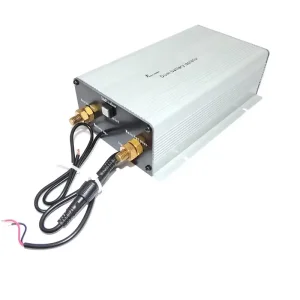
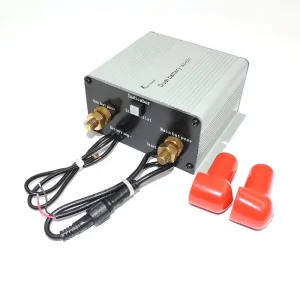
Solution: Installation of an Ultra-Thin Pure Sine Wave Inverter with AC Charger paired with a Dual Battery Isolator (Voltage Sensitive Relay). The isolator prioritizes starter battery charging before connecting the auxiliary lithium bank, while the pure sine wave output ensures zero electrical noise on life-support monitors.
Challenge: Rural properties lacking utility grid access require reliable electricity capable of starting well pumps, refrigerators, and heavy power tools without voltage collapse.
Solution: Implementation of a 5KW Low Frequency Hybrid Solar Pure Sine Wave Inverter Charger with a 60A MPPT controller. The toroidal transformer delivers a 300% surge capacity for inductive motor startup, while the integrated LCD digital screen provides real-time telemetry on photovoltaic production and battery state of health.
Challenge: Harsh marine conditions (salt spray, mechanical vibration, humidity) demand moisture-resistant enclosures and robust dual-battery isolation to avoid stranding vessels offshore.
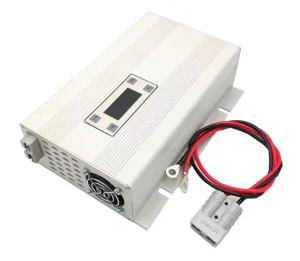
Solution: Application of IP30 CE RoHS SGS Approved 10A to 40A Battery Chargers housed in anodized aluminum heat-sink chassis. Automatic thermal throttling and conformal coated PCBs shield power switches against corrosion and salt air degradation.
Challenge: Cellular base stations in areas with unstable electrical grids require zero-millisecond or fast transfer switches to prevent dropped data packets and network downtime.
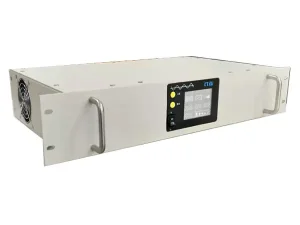
Solution: Deployment of 3KW Rack-Mounted Pure Sine Wave Charging Inverters (RM-3000W) featuring 95% conversion efficiency, standardized 19-inch cabinet mounting, RS485 communication protocols, and sub-10ms automatic AC transfer relays.
As power density requirements increase and wide-bandgap semiconductors mature, rated power manufacturing is shifting toward higher switching frequencies, cloud-edge telemetry, and bidirectional power transfer.
Transitioning primary inverter power switching stages from legacy Silicon MOSFETs to SiC and Gallium Nitride (GaN) transistors. This reduces switching losses by up to 40%, enables switching frequencies above 100kHz, and shrinks transformer footprint sizes while maintaining full CE LVD/EMC compliance.
Integrating Bluetooth 5.0, Wi-Fi, and CAN-bus protocols directly onto inverter control boards. Machine learning algorithms analyze internal thermal gradient data, capacitor ripple current, and battery internal resistance in real-time to predict component fatigue before failure occurs.
Standardizing high-voltage DC bus architectures (380V/800V DC) for unified solar, battery, and EV charging integration. Bidirectional inverter chargers will allow commercial fleets to feed stored battery energy back into regional electrical grids during peak demand hours.
In-depth technical answers addressing critical buyer queries, certification standards, and system sizing criteria.
Explore our complete range of certified high-power converters, rack-mounted UPS inverters, and battery isolation kits.