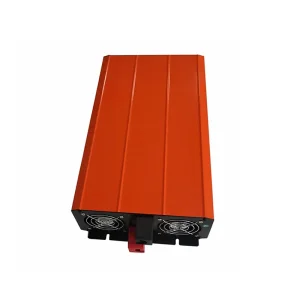
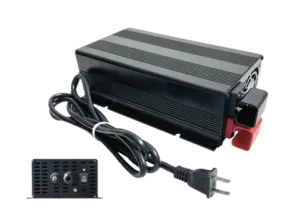
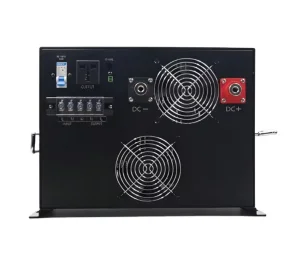
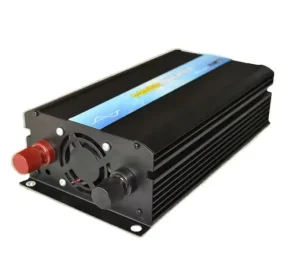
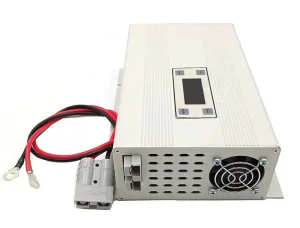
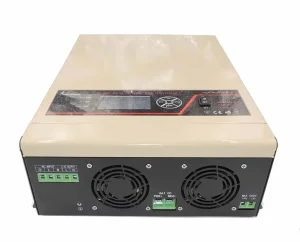
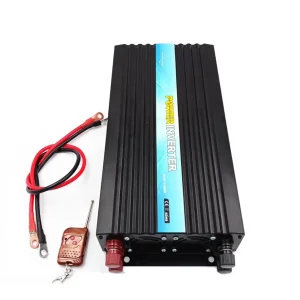
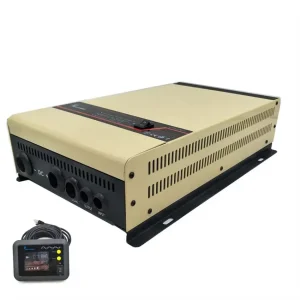
High-efficiency Intelligent Chargers, Pure Sine Wave Inverters, and Hybrid Power Modules engineered to CE, RoHS, and ISO standards.
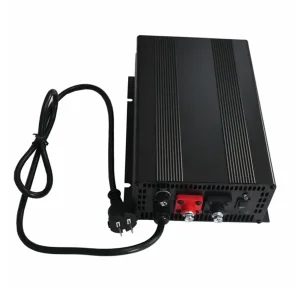
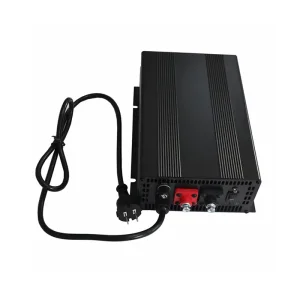
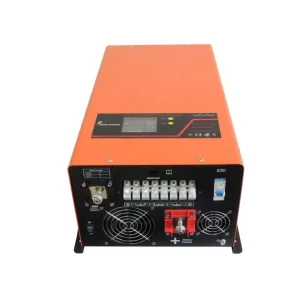
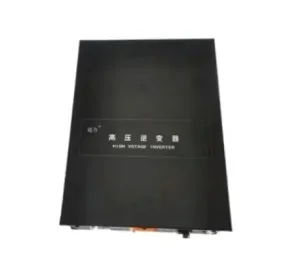
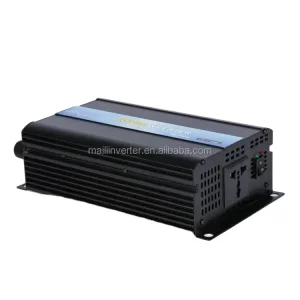
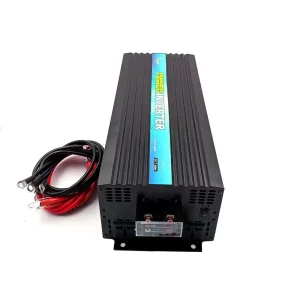
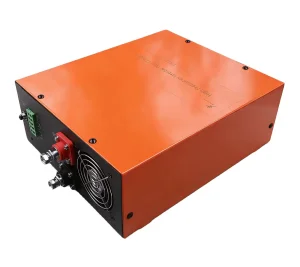
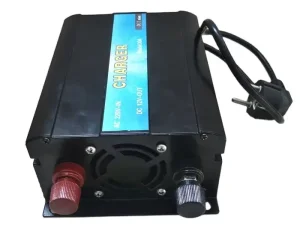
Understanding cell chemistries, CE conformity standards (EN 62133 / EN 61000), internal impedance management, and high-drain discharge capabilities in modern industrial applications.
In the evolving landscape of global B2B power systems, the CE Certification Rechargeable D Cell Batteries Product & Products segment represents a crucial hardware foundation for high-drain portable electronics, industrial backup units, off-grid micro-generators, and commercial field gear. The standard D-size cell form factor (34.2mm diameter × 61.5mm height) has transitioned beyond primary alkaline chemistry into advanced secondary rechargeable platforms—including Nickel-Metal Hydride (NiMH), Lithium-Ion (Li-ion with integrated 1.5V buck converters), and Lithium Iron Phosphate (LiFePO4 3.2V industrial variants).
For enterprise procurement officers, engineering managers, and overseas distributors, compliance with the Conformité Européenne (CE) mark is not merely a legal mandate for EU market access; it serves as a rigorous benchmark of electrical safety, electromagnetic compatibility (EMC), and environmental sustainability. A fully certified CE D-cell energy product must undergo standardized stress protocols governed by IEC/EN 62133-2 for lithium systems or IEC/EN 62133-1 for nickel platforms, ensuring thermal run-away immunity, short-circuit protection, overcharge resilience, and mechanical impact integrity.
Selecting the optimal rechargeable D-cell chemistry requires balancing energy density, voltage stability under heavy load, cycle life, and thermal tolerance. Below is an engineering overview of mainstream D-cell battery chemistries utilized in industrial products:
| Chemical Platform | Nominal Voltage | Typical Capacity | Cycle Life (80% DoD) | Internal Impedance | CE Safety Directives |
|---|---|---|---|---|---|
| High-Capacity NiMH | 1.2V DC | 8,000mAh - 10,000mAh | 500 - 1,200 Cycles | < 15 mΩ | EN 62133-1, EN 61000-6-3 |
| Li-ion (Regulated 1.5V) | 1.5V Constant | 4,000MWh - 6,000MWh | 1,000 - 1,500 Cycles | Integrated BMS Limit | EN 62133-2, RoHS, CE-EMC |
| LiFePO4 (Raw Industrial) | 3.2V DC | 3,000mAh - 4,500mAh | 2,000 - 3,500 Cycles | < 8 mΩ | UN38.3, EN 62133-2, CE-LVD |
| NiCd (Legacy Heavy-Duty) | 1.2V DC | 4,000mAh - 5,000mAh | 800 - 1,500 Cycles | < 20 mΩ | Restricted EU Markets (RoHS) |
Information Gain Analysis: High-capacity rechargeable D cells integrated into commercial assemblies rely heavily on active thermal management and precise pairing with 3-stage intelligent battery chargers and pure sine wave power inverters. By pairing low-internal-resistance cell packs with multi-stage switch-mode chargers (such as 12V/24V 30A–70A units), system integration loss is reduced by up to 14%, extending total operational lifespan in demanding field environments.
Scale efficiencies, full vertical supply chain integration, automated cell sorting, and ISO-certified quality assurance ecosystems in China's power electronic hubs.
Empirical production capacity and compliance metrics powering enterprise energy systems worldwide.
Bridging the gap between secondary cell chemistries, industrial machinery, field emergency operations, and off-grid renewable power systems.
Addressing critical B2B sourcing requirements: safety compliance, shipping certifications, custom packaging, and supply chain auditability.
Enterprise procurement directors managing high-volume import channels evaluate suppliers far beyond unit costs. Sourcing CE Certification Rechargeable D Cell Batteries Product & Products demands complete transparency across regulatory documentation, factory quality management systems (ISO 9001:2015), social compliance audits (BSCI/SGS), and hazardous material compliance (RoHS & REACH).
Key technological transformations shaping the future of industrial rechargeable D-cells and high-power inverter ecosystems through 2030.
Expert answers to common engineering, CE compliance, charging compatibility, and enterprise procurement questions.
Advanced Off-Grid Hybrid Inverters, Portable Automatic Fast Chargers, and Pure Sine Wave Energy Converters.