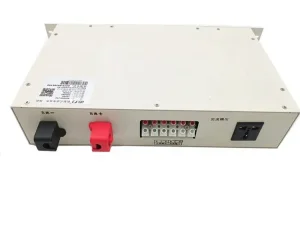
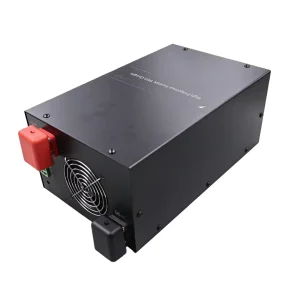
Explore high-efficiency, cost-optimized power conversion units and charging solutions engineered for modern enterprise automotive fleets and off-grid mobile platforms.
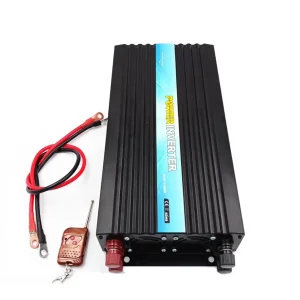
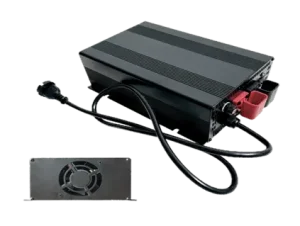
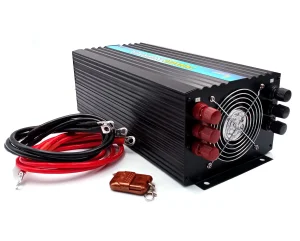
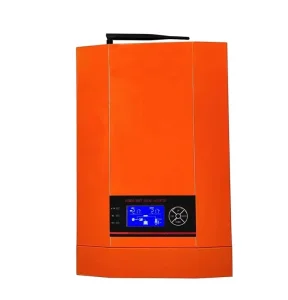
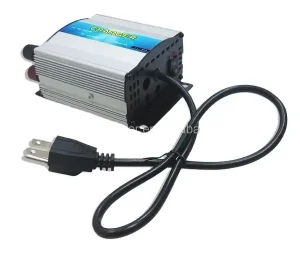
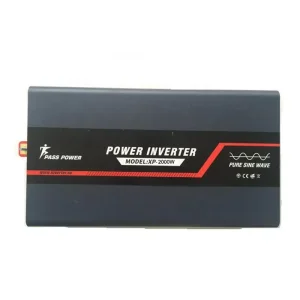
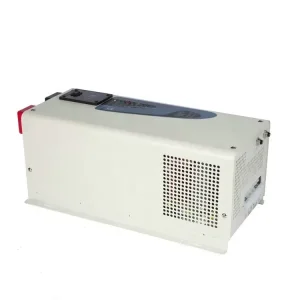
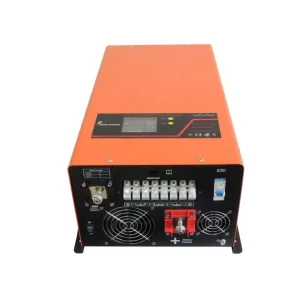
In the rapidly transforming global automotive sector, the term cheap automobiles manufacturer & product has evolved far beyond superficial low-cost production. Today, commercial enterprise buyers, original equipment manufacturers (OEMs), and global Tier-1 system integrators define cost-efficiency through the lens of Total Cost of Ownership (TCO), high reliability, thermal management resilience, and advanced power density. The modern automotive power ecosystem requires sophisticated power conversion hardware—ranging from high-frequency DC-to-AC pure sine wave inverters to 3-stage intelligent battery chargers—designed to withstand rigorous vibration profiles, extreme ambient temperatures, and complex electric grid variations.
As commercial transport fleets, recreational vehicles (RVs), emergency service transport, and off-grid utility trucks transition toward hybrid, pure electric, and auxiliary solar-assisted power topologies, the demand for factory-direct automotive power component manufacturing has surged. Cost optimization is achieved not by compromising raw material integrity, but by optimizing internal layout topologies, leveraging highly automated Surface Mount Technology (SMT) production lines, and standardizing modular power stages across multiple product series.
Strategic Industry Insight: Modern automotive enterprise procurement prioritizes manufacturing scalable inverter and charger architectures that reduce warranty claim rates below 0.15% while delivering maximum energy density per kilogram. Factory-direct OEM integration reduces intermediary markups by up to 35% across high-volume automotive build-outs.
Procurement teams across North America, Europe, Southeast Asia, and the Middle East face a dual challenge: managing volatile raw material costs (copper, silicon, aluminum extrusions) while adhering to strict regional regulatory requirements (such as CE, CB, SAA, RoHS, and FCC standards). Sourcing low-cost yet industrial-grade automotive power units requires evaluating several key parameters during vendor auditing:
| Procurement Criterion | Legacy Low-Cost Sourcing | Modern Enterprise OEM Framework |
|---|---|---|
| Cost Optimization Strategy | Sub-standard components, high idle power consumption | Automated production, modular power topologies, direct supply chain sourcing |
| Waveform & THD | Modified Sine Wave (THD > 15%), high electrical noise | Pure Sine Wave (THD < 3%), ultra-clean output for sensitive microprocessors |
| Surge Capacity Handling | 1.2x rated power for < 100ms | 2.0x to 3.0x rated surge power for inductive motor start-up loads |
| Thermal Management | Passive heatsinks with high thermal breakdown risks | Smart variable-speed cooling fans + anodized aluminum extrusion chassis |
| Warranty & Lifecycle | 6-month limited warranty, high RMA frequency | Comprehensive multi-year factory warranty, modular PCB replacement design |
Enterprise procurement managers must look beyond unit price to calculate total lifecycle value. A low-cost vehicle inverter that suffers thermal shutdown under continuous operation in commercial work trucks costs enterprises far more in operational downtime than a precision-engineered factory-direct pure sine wave unit.
Comprehensive engineering strategies addressing vehicle auxiliary power, solar integration, and commercial transport electrical platforms.
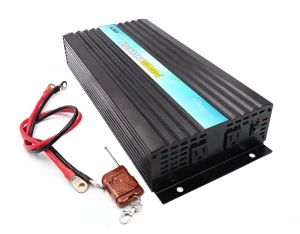
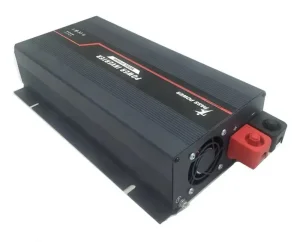
Utilizing advanced high-frequency switching technology with toroidal transformers, providing massive surge capabilities (up to 300% peak rating) required for heavy inductive loads like air conditioners, air compressors, and power tools in emergency vehicles and travel trailers.
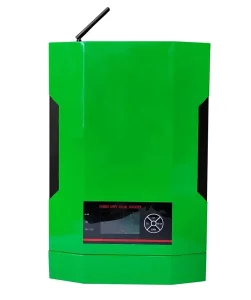
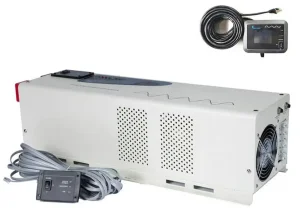
Combining maximum power point tracking (MPPT) solar charge controllers with bi-directional AC chargers and pure sine wave inverters into a single, compact automotive-grade enclosure. Maximizes solar harvest efficiency up to 98% for commercial off-grid transport.
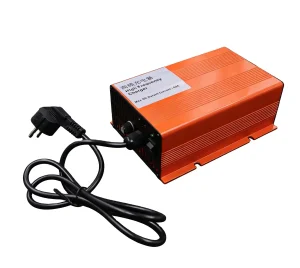
Multi-stage adaptive charging algorithms (Bulk, Absorption, Float) tailored for GEL, AGM, flooded lead-acid, and Lithium Iron Phosphate (LiFePO4) battery chemistries, extending total battery cycle life by protecting against overcharging and thermal runaway.
Next-generation R&D direction in automotive power electronics, wide-bandgap semiconductors, and intelligent microgrid synchronization.
Widespread adoption of high-frequency pure sine wave switching, digital LCD diagnostic monitoring, and lightweight aluminum casing for optimal passive heat dissipation.
Transitioning primary power switches to SiC MOSFETs, reducing internal switching losses by 45%, enabling smaller form factors and higher temperature operational thresholds.
Integrating RS485, CAN-bus, and Wi-Fi/Bluetooth communication protocols for real-time fleet diagnostics, remote parameter configuration, and predictive maintenance alerts.
Enabling Vehicle-to-Home (V2H) and Vehicle-to-Grid (V2G) bi-directional power flow, transforming commercial electric fleets into mobile distributed energy storage assets.
True cost advantages in automotive manufacturing stem from disciplined factory-level execution. Sourcing direct from an established ISO 9001:2015 certified manufacturer eliminates layer upon layer of distributor markup while granting enterprise buyers direct engineering access for custom specifications.
Each unit undergoes a rigorous multi-stage testing process before leaving the assembly floor:
Expanding automobile product deployments into international markets requires adaptable electrical standards. Global enterprises must navigate contrasting voltage levels, socket styles, and safety certification directives:
Our OEM/ODM engineering framework provides extensive customization capabilities to meet localized enterprise specifications:
Configurable DC inputs (12V, 24V, 48V, 96V, up to high-voltage DC 380V) matched with selectable AC outputs (110V/120V 60Hz for North America; 220V/230V/240V 50Hz for Europe, Asia, and Australia).
Customizable output receptacles including US NEMA, European Schuko, Universal, UK 3-pin, and Australian standards, along with heavy-duty DC copper binding posts.
Private label silk-screening, custom extruded aluminum housing colors, custom LCD interface graphics, and bespoke outer packaging for regional distributors.
In-depth technical answers for enterprise engineers, OEM buyers, and fleet system integrators.
A low-frequency inverter utilizes a heavy-duty line-frequency iron-core toroidal transformer, providing exceptional surge capability (up to 300% of nominal rating for short bursts) and high mechanical reliability under severe inductive shock loads (e.g., compressor motors, heavy power tools, refrigeration). Conversely, a high-frequency inverter uses fast MOSFET switching with a small ferrite transformer, delivering a significantly lighter, more compact form factor with higher baseline operating efficiency for electronic loads and light appliances.
Pure Sine Wave inverters reproduce utility-grade AC electricity with Total Harmonic Distortion (THD) below 3%. Modified sine wave (square wave) inverters generate significant electrical noise and high THD (>15-20%), which leads to overheating in induction motors, audible buzzing in audio/communication gear, and premature failure of sensitive microprocessors, medical emergency equipment, and modern lithium battery chargers.
Yes. Our intelligent 3-stage chargers and MPPT hybrid solar inverters feature customizable charging profile settings specifically engineered for Lithium Iron Phosphate (LiFePO4) as well as traditional AGM, GEL, and flooded lead-acid batteries. Charge voltages, absorption timing, and low-voltage cut-offs can be adjusted via the digital LCD monitor or factory-preset during OEM manufacturing.
Standard product customization (custom branding, specialized sockets, pre-set software parameters) typically requires 2 to 3 weeks for prototype verification and 30 days for mass production. Full ODM projects involving customized PCB layout redesigns or custom metal chassis toolings take between 45 and 60 days depending on certification approval cycles.
All automotive-grade power inverters feature comprehensive multi-point electronic protection suites: Over-Voltage Protection (OVP), Under-Voltage Lockout (UVLO), Over-Load Protection (OLP), Short-Circuit Protection (SCP), Over-Temperature Protection (OTP), and Reverse Polarity Protection via internal fusing and relay isolation networks.
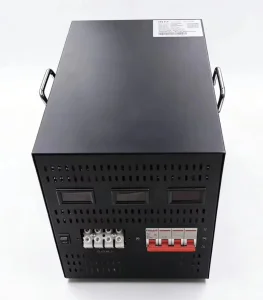
High-reliability rack-mount inverters, intelligent multi-phase converters, and high-amp battery charging solutions for industrial enterprise buyers.