


Direct-from-factory power solutions engineered for peak conversion efficiency, battery longevity, and rigorous industrial applications.
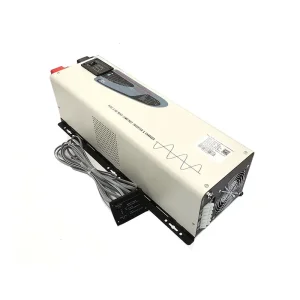
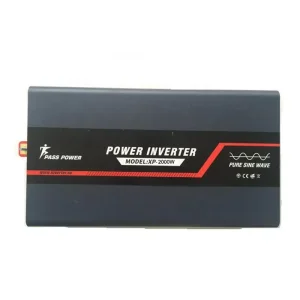
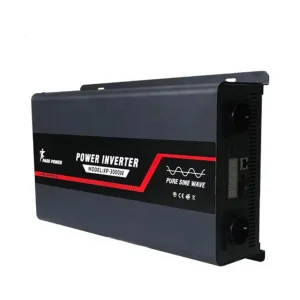
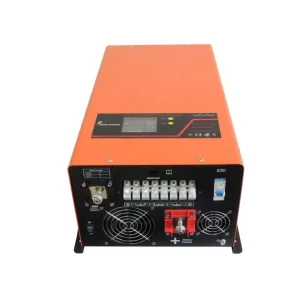
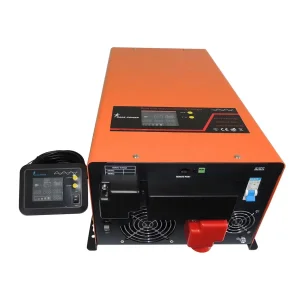
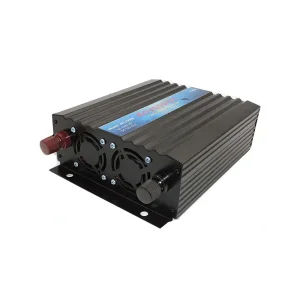
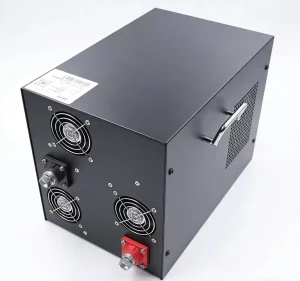
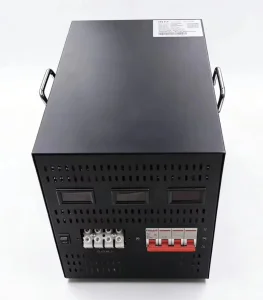
The global transition from legacy lead-acid chemistry toward lithium Iron Phosphate (LiFePO4) and Nickel Manganese Cobalt (NMC) storage solutions has fundamentally redefined commercial energy architectures. As OEM equipment manufacturers, system integrators, and fleet operators scale up electrification efforts, the demand for cost-effective, high-reliability lithium battery chargers has experienced unprecedented compound growth.
When procurement managers search for "cheap lithium battery chargers suppliers & factory," the search intent goes far beyond seeking low price tags. Modern engineering procurement requires balancing strict cost control with uncompromising reliability. Sourcing direct from certified original factories in China—such as Suzhou Maili Electrical Appliance Co., Ltd.—delivers high-performance power electronics while stripping out intermediary markups.
By adopting streamlined factory manufacturing processes, automated surface-mount technology (SMT), and high-volume transformer winding, leading Chinese factories achieve unprecedented price-to-performance ratios. Industrial clients receive fully compliant, heavy-duty chargers capable of continuous high-power output without over-specifying their capital expenditure budgets.
Operating in global commercial markets requires absolute compliance with international safety and electromagnetic compatibility (EMC) standards. Cheap chargers lacking certification pose severe operational risks, including thermal runaway, battery degradation, and electrical grid interference.
The power electronics sector is experiencing a technological Renaissance driven by wide-bandgap semiconductors, digital control loops, and bidirectional grid interaction.
Gallium Nitride (GaN) and Silicon Carbide (SiC) MOSFETs allow battery chargers to switch at frequencies exceeding 200 kHz. This reduces magnetics size by up to 40%, slashes thermal loss, and improves power density dramatically—delivering ultra-compact chargers at lower material costs.
Modern lithium chargers no longer operate as dumb constant-voltage sources. Advanced chargers feature CAN-bus 2.0B, RS485, and Modbus communication interfaces that sync directly with the battery's BMS, dynamically adjusting current based on cell temperature, state-of-charge (SOC), and cell balancing parameters.
To accommodate mixed fleets, factories are engineering multi-stage digital chargers that support LiFePO4, Lithium-Ion, AGM, and Gel chemistries. Users can select customized charging voltage algorithms to maximize battery cycle life (up to 4000+ cycles).
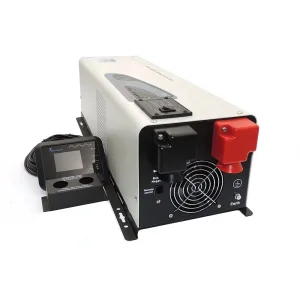
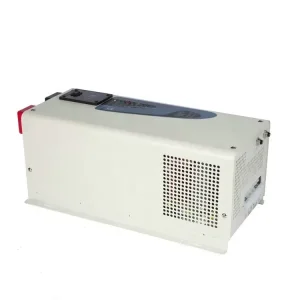
While high-frequency chargers excel in portability, low-frequency inverter-chargers equipped with massive toroidal transformers provide unmatched surge capacity (up to 300% rated power for 20 seconds). This surge capacity is critical when powering inductive loads like air conditioner compressors, heavy electric motors, and power tools, where high-frequency switching circuits often trigger overload shutdowns.
From off-grid recreational vehicles to mission-critical telecommunication backup towers, lithium chargers must operate seamlessly across demanding environments.
RVs and marine vessels demand ruggedized inverter-charger combinations capable of clean power output under extreme temperature fluctuations and engine vibration. Key features for this sector include:
Residential and commercial off-grid installations rely on hybrid MPPT solar inverter chargers to manage multi-source power integration (Solar PV, Grid, Diesel Generator, Lithium Battery Bank).
Warehouses, municipal transit systems, and light EV operations demand rapid, reliable charging for Automated Guided Vehicles (AGVs), electric forklifts, and low-speed electric utility vehicles.
Ambulances, fire trucks, and mobile command centers depend on uncompromised electrical output to operate life-saving medical gear, emergency lighting, and radio systems.
Selecting the correct power conversion topology is crucial for system longevity. Below is an engineering comparison between High-Frequency Power Systems and Low-Frequency Toroidal Transformer Chargers manufactured at our Suzhou facility.
| Technical Feature | High-Frequency Switch Mode Chargers | Low-Frequency Toroidal Transformer Chargers |
|---|---|---|
| Primary Topology | Pulse-Width Modulation (PWM) / High-Frequency SMPS | Heavy-Duty Copper Toroidal Transformer |
| Surge Capacity | 1.5x Rated Output Power (for <1 second) | 3x Rated Output Power (for 20+ seconds) |
| Power Conversion Efficiency | Ultra-High (up to 95-96%) | High (88-92%) |
| Weight & Form Factor | Lightweight, Highly Compact, Portable | Heavy-Duty, Vibration-Resistant Chassis |
| Inductive Load Capability | Ideal for Resistive Electronics & Small Motors | Superior for Air Conditioners, Pumps, Compressors |
| Electromagnetic Interference | Requires RF Shielding & Active Filtering | Inherently Low EMI & Clean Output Waveform |
| Target Applications | Light EVs, Telecom UPS, Portable Solar Chargers | RVs, Off-Grid Homes, Marine, Commercial Vehicles |
In the power electronics industry, "cheap" should never mean sacrificing component quality. At Suzhou Maili Electrical Appliance Co., Ltd., cost optimization is achieved through vertical engineering integration and automated mass production.
We source Grade-A raw materials directly from Tier-1 suppliers: imported Japanese EPCOS capacitors, Toshiba MOSFETs, and high-purity copper windings. By ordering components at scale for global distribution, we reduce unit Bill-of-Materials (BOM) costs while improving product life.
Our R&D team provides complete OEM/ODM flexibility: non-standard DC input voltages (12V/24V/48V/96V/380V), adjustable charging currents, specialized housing shell colors, custom AC output sockets (US, EU, AU, Universal), and branded LCD telemetry screens.
Every single charger and inverter undergoes strict inspection protocol: 100% automated optical inspection (AOI) on circuit boards, full-load burn-in testing in elevated ambient temperature chambers, and automated high-voltage isolation testing prior to final packaging.
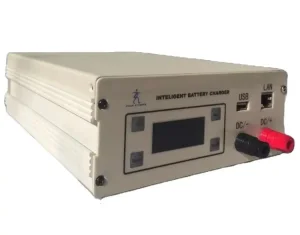
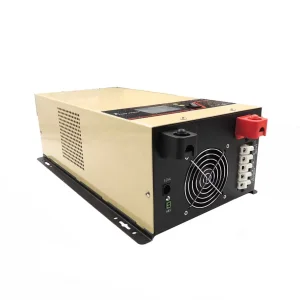
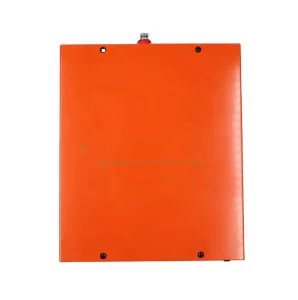
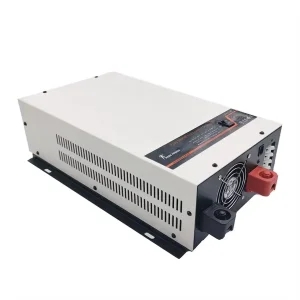
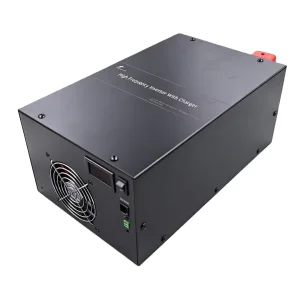
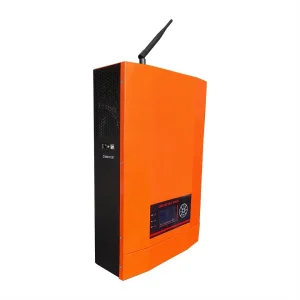
Discover our complete industrial catalog of EV chargers, multi-phase inverters, and high-frequency power units.
Detailed engineering answers addressing common questions regarding lithium charging profiles, factory customization, and system compatibility.
