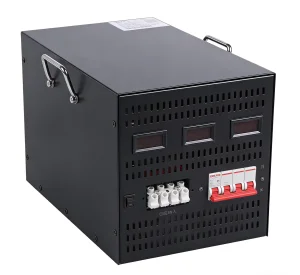
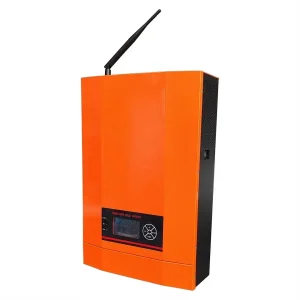
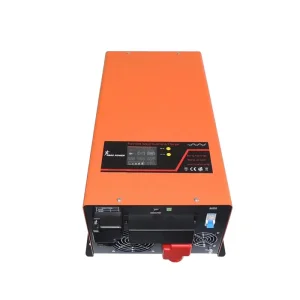
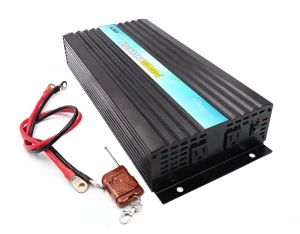
Factory-direct pure sine wave power platforms engineered for high surge endurance, rugged thermal performance, and global compliance.
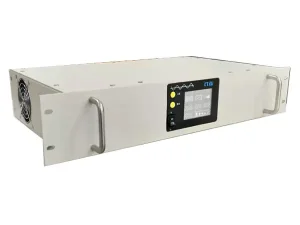
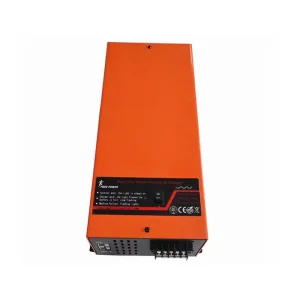
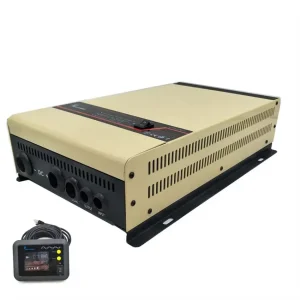
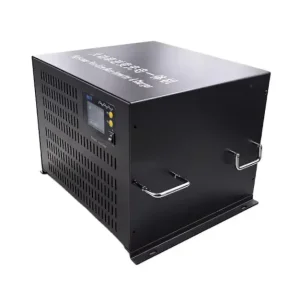
Analyzing the macro-shift toward high-surge off-grid power, OEM/ODM manufacturing standards, and the evolution of mobile electrification systems.
The global recreational vehicle (RV), campervan, and overland trailer market has entered a structural transformation. Driven by the rapid proliferation of high-draw off-grid amenities—including roof-mounted air conditioning units, induction cooktops, high-pressure water pumps, and mobile workstations—the demand for professional-grade power conversion topology has escalated exponentially. Tier-1 caravan manufacturers, commercial fleet outfitters, and regional power electronics importers no longer treat power inverters as simple standalone accessories; they are now specified as mission-critical heart units of integrated energy storage systems (ESS).
Historically, mobile power relied heavily on modified sine wave units or low-capacity high-frequency converters prone to thermal throttling under heavy inductive startup loads. Modern B2B sourcing frameworks mandate pure sine wave output with total harmonic distortion (THD) strictly controlled below 3%, continuous operating efficiency exceeding 93–95%, and robust surge capability capable of sustaining 200% to 300% of nominal rating for several seconds. As a professional China-based caravan inverter factory and international exporter, understanding these nuanced power profiles is vital to engineering hardware that passes rigorous global homologation standards including CE, CB, SAA, RoHS, and ISO 9001:2015 quality assurance protocols.
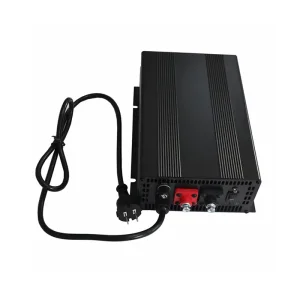
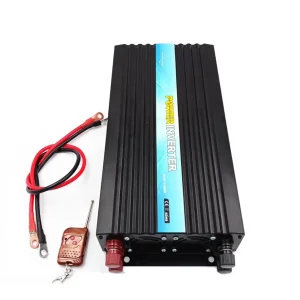
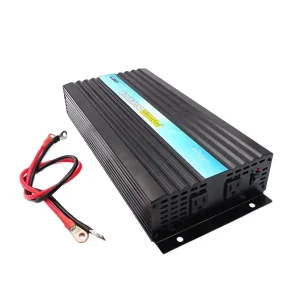
Engineered with copper-wound toroidal transformers delivering up to 300% peak surge power for inductive motor starting in mobile air conditioners and refrigeration units.
Seamlessly integrates automatic shore power transfer switching (<10ms) with multi-stage intelligent battery charging profiles optimized for Lithium (LiFePO4) and AGM banks.
Equipped with digital LCD telemetry and RS485/CANbus communication interfaces for real-time integration into caravan central touchscreen management systems.
A deep engineering comparison to assist B2B procurement teams in matching technical architecture to local end-user environmental demands.
| Electrical Parameter / Feature | Low Frequency (LF) Inverter Series | High Frequency (HF) Inverter Series |
|---|---|---|
| Internal Power Transformer | Heavy-Duty Heavy Copper Toroidal Transformer | Compact High-Frequency Ferrite Core Transformer |
| Peak Surge Endurance Factor | 300% Nominal Capacity (30-day continuous overload tolerance) | 150% - 200% Nominal Capacity (Short duration milliseconds) |
| Primary Application Profile | Heavy Inductive Loads (Compressors, RV AC, Power Tools, Pumps) | Resistive & Electronic Loads (Laptops, LED Lighting, Audio/Visual) |
| DC-AC Isolation Level | Full Galvanic Isolation (Protects DC Battery Bank from AC Faults) | Electronic / Capacitive Isolation |
| Thermal Mass & Dissipation | High Thermal Inertia; Resists Sudden Ambient Temperature Spikes | Requires Rapid Active Fan Cooling; Compact Heat Sink Array |
| Weight & Form Factor | Heavier Build; Preferred for Fixed Caravan Installations | Ultra-Lightweight; Ideal for Space-Constrained Modular Rigs |
How our factory R&D lab is integrating wide-bandgap semiconductors, hybrid MPPT control, and advanced battery management protocols.
By transitioning key switching stages from traditional Silicon MOSFETs to Silicon Carbide (SiC) and Gallium Nitride (GaN) devices, future power inverter platforms achieve thermal loss reductions of up to 40%. This enables higher power densities, allowing a 3000W continuous inverter charger to fit inside the footprint previously occupied by a 1500W unit while operating silently with reduced active cooling demands.
Modern caravan power networks rely on Lithium Iron Phosphate chemistry. Our OEM customization includes native CANbus and RS485 communication protocols that interface directly with battery management systems (BMS). The inverter dynamically adjusts charge voltage, current, and low-voltage cutoff thresholds based on real-time cell temperatures, state-of-charge (SoC), and internal impedance, eliminating over-charging risks and maximizing battery service life.
Next-generation caravan inverters combine solar photovoltaic input, alternator DC-DC charge feeds, and AC shore power into a unified power management matrix. Integrated Maximum Power Point Tracking (MPPT) algorithms track solar array output with >99.5% efficiency, automatically prioritizing free renewable solar input over engine alternator load or grid power.
As electric towing vehicles (EVs) and hybrid chassis expand worldwide, caravan inverters are adopting bi-directional power conversion topologies. This enables the caravan's auxiliary lithium bank to serve as a micro-grid power backup for remote off-grid cabins, emergency medical equipment, or power tools when away from traditional utility connections.
Customizing input/output configurations, environmental protection, and certification standards for key international caravan markets.
Environmental Challenge: Extreme ambient heat (>45°C), fine red dust ingress, and prolonged corrugated vibration.
Factory Specification: Conformal PCB coating, IP30/IP52 dust-mitigated enclosure, heavy-duty low-frequency toroidal transformer, 240VAC 50Hz output with AS/NZS 3112 compliant socket integration.
Environmental Challenge: Space-constrained under-seat installation, strict Euro 6 smart alternator voltage fluctuations, and strict low-noise requirements.
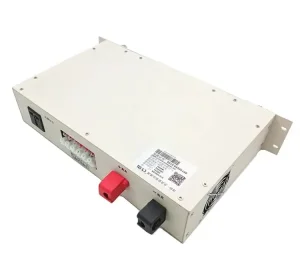
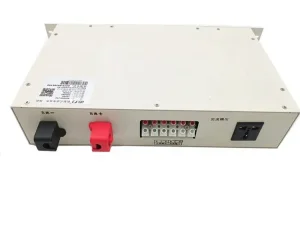
Factory Specification: Ultra-compact rack-mountable chassis, integrated DC-DC battery charger compatibility, CE/EMC certified low-interference circuit design, 230VAC 50Hz pure sine wave with Schuko outlets.
Environmental Challenge: Dual-line split-phase high-wattage power requirements (120V/240V AC), heavy rooftop air conditioning startup surges.
Factory Specification: Split-phase pure sine wave inverter charger platforms, dual NEMA sockets, GFCI electrical safety protection, automatic shore power transfer switch with generator dry contact start triggers.
How an OEM inverter charger integrates into the complete mobile power ecosystem for maximum reliability and safety.
Roof-mounted solar panels harvest solar energy via an MPPT solar controller, while a dedicated dual-battery isolator or DC-DC charger draws regulated energy from the vehicle alternator during transit.
Energy is stored in high-density LiFePO4 or Deep-Cycle AGM battery banks. Real-time telemetry (SoC, temperature, voltage) is transmitted to the inverter charger via RS485 or CANbus protocol.
The pure sine wave inverter converts 12V/24V/48V DC into clean AC household current. When connected to campsite shore power, the internal Automatic Transfer Switch (<10ms) bypasses the inverter and routes grid power directly while initiating multi-stage smart battery charging.
Filtered AC electricity is distributed to air conditioners, microwaves, and power outlets with complete protection against short-circuits, ground faults, over-temperatures, and reverse polarity.
We provide comprehensive B2B private label manufacturing, engineering customized hardware platforms tailored to your brand's regional specifications:
In-depth engineering answers addressing technical inquiries from caravan OEMs, power system integrators, and regional distributors.
Factory-direct manufacturing solution portfolio including 3-stage smart chargers, hybrid MPPT inverters, and high-voltage DC units.