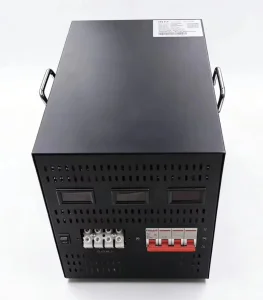
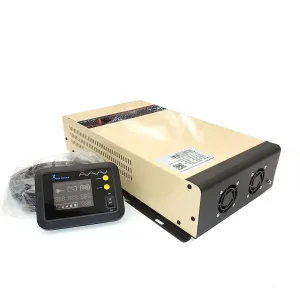
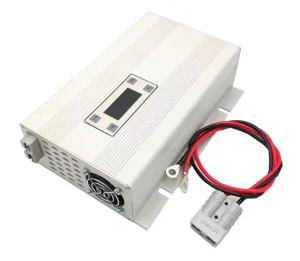
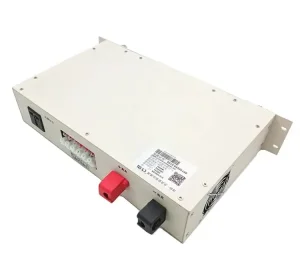
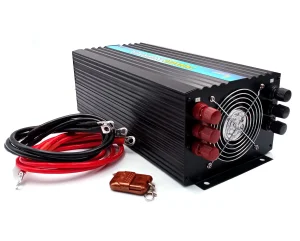
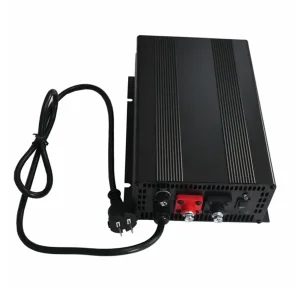
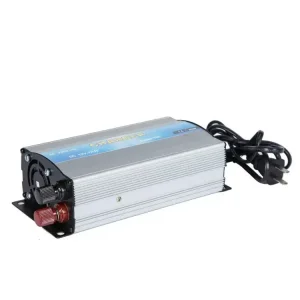
Direct factory supply of certified pure sine wave inverters engineered for extreme inductive surges, zero-grid resilience, and high efficiency.
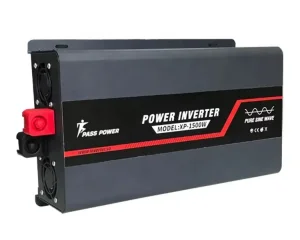
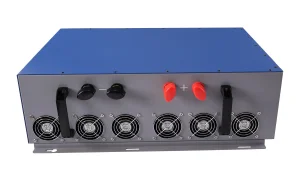
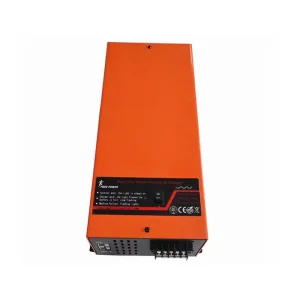
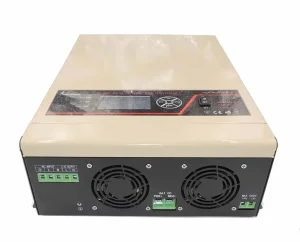
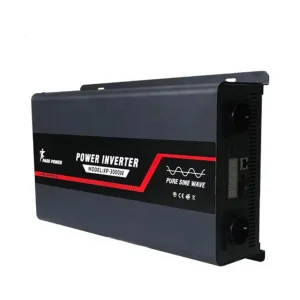
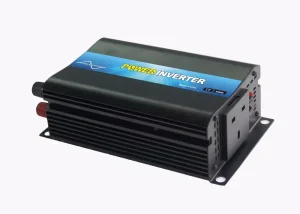
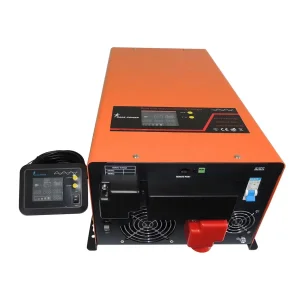
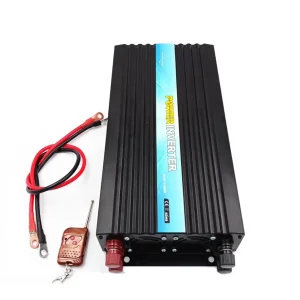
The global energy landscape is undergoing an unprecedented structural transition toward localized, resilient power autonomy. As centralized transmission grids face increasing volatility caused by extreme climate events, aging infrastructure, and escalating utility tariffs, the demand for high-capacity off-grid energy storage systems (ESS) has evolved from a niche rural requirement into a core enterprise imperative. Within this macro environment, the 6kVA (6000VA / 6000W nominal) off-grid pure sine wave inverter platform has consolidated its position as the sweet spot for residential microgrids, telecommunication base stations, commercial agriculture, and mobile emergency power assets.
In developing regions across Africa, Southeast Asia, and Latin America, grid instability remains a major economic bottleneck. Enterprise buyers are bypassing unreliable central grids by procuring independent 48V DC off-grid systems capable of running continuous heavy inductive loads like HVAC systems, water pumps, and cold storage units.
Modern purchasing specifications require native battery-agnostic architectures. High-quality 6kVA suppliers must provide direct CAN bus and RS485 communication protocols to synchronize seamlessly with Tier-1 Lithium Iron Phosphate (LiFePO4) Battery Management Systems (BMS) for dynamic voltage adjustment.
EU and international import regulations demand verified compliance with Low Voltage Directive (LVD 2014/35/EU) and Electromagnetic Compatibility (EMC 2014/30/EU). Certified CE compliance ensures low electromagnetic interference and thermal safety under full operational stress.
When procuring CE certified 6kVA off-grid pure sine wave inverters, engineering teams must carefully evaluate the underlying circuit topology based on application stress profiles. A fundamental distinction exists between Low-Frequency (Toroidal Transformer-based) inverters and High-Frequency (Switching MOSFET-based) topologies. Each design presents specific trade-offs regarding peak surge handling, thermal management, weight, and levelized cost of energy (LCOE).
| Performance Metrics | Low-Frequency Toroidal Topology | High-Frequency MOSFET Topology |
|---|---|---|
| Surge Capacity (Peak Power) | Up to 300% nominal (18,000VA for 10 seconds) | 150% - 200% nominal (9,000VA for 2 seconds) |
| Galvanic Isolation | Complete physical isolation via heavy copper transformer | Optocoupler & high-frequency transformer isolation |
| THD (Linear / Non-Linear Loads) | < 2.0% (Exceptional waveform stability) | < 3.0% (Sensitive to sudden load changes) |
| Inductive Load Compatibility | Ideal (Heavy motors, compressors, power tools) | Moderate (Light electronics, resistive heating) |
| Power Conversion Efficiency | 90% - 94% (Slightly higher idle consumption) | 95% - 98% (Ultra-low standby self-consumption) |
| Physical Weight & Power Density | Heavier (approx. 35 - 45 kg for 6kVA) | Lightweight (approx. 11 - 16 kg for 6kVA) |
Unlike modified sine wave or square wave units—which introduce high high-frequency harmonic distortion—a true pure sine wave inverter produces an AC output waveform with harmonic distortion far lower than utility grid baselines. Non-linear industrial loads, medical equipment, variable frequency drives (VFDs), and modern switching power supplies exhibit substantial heat generation and electrical noise when fed modified waveforms.
By utilizing advanced dual-DSP (Digital Signal Processor) control circuits, high-quality 6kVA pure sine wave inverters execute real-time Pulse Width Modulation (PWM) feedback loops at switching frequencies above 20 kHz. This ensures that even when subjected to sudden 0% to 100% step-load changes, the output voltage remains locked within 230VAC ±1% or 120VAC ±1% tolerance, preserving the operational lifespan of downstream connected equipment.
Procuring off-grid solar equipment on a multi-megawatt or regional distribution scale requires a thorough factory auditing framework. B2B buyers must evaluate potential manufacturing partners beyond basic unit pricing, focusing on quality control protocols, component selection, and regulatory credentials.
Tier-1 manufacturers employ 100% automated optical inspection (AOI), in-circuit testing (ICT), and minimum 48-hour full-load burn-in testing under elevated temperatures (50°C) to eliminate early component failure rates before shipment.
Reliable factories use high-grade components, such as Infineon or Mitsubishi IGBTs, Rubycon/IXYS capacitors, and heavy-gauge copper wiring. This ensures long-term endurance against thermal expansion and electrical fatigue.
Suppliers must provide official test reports issued by accredited third-party laboratories (such as TÜV Rheinland, SGS, or Intertek) covering EN 62109-1, EN 62109-2 (Solar Safety), and EN 61000-6-1/3 (EMC).
The modular versatility of the 6kVA architecture allows seamless integration across diverse operational environments. Below are three primary enterprise application blueprints designed to optimize reliability and reduce lifetime operational expenditure.
Challenge: Unreliable grid power leading to continuous outages, potential voltage spikes, and food/comfort compromise in off-grid estates.
Solution Strategy: Deploying a 6kVA 48V pure sine wave hybrid inverter integrated with an 8kWp PV solar array and 15kWh LiFePO4 battery pack. The integrated MPPT solar controller harvests solar energy during peak sunlight while providing seamless <10ms auto-transfer switching when grid power fails.
Challenge: Maintaining 99.999% uptime for remote cellular towers where diesel generator refueling incurs high operational costs.
Solution Strategy: A low-frequency 6kVA inverter paired with dual RS485 communication protocols. The inverter dynamically manages generator auto-start contacts, reducing generator fuel consumption by up to 70% while keeping sensitive transceiver electronics protected from high voltage fluctuations.
Challenge: Massive starting current surges from 3HP to 5HP single-phase induction water pumps causing standard inverters to trip.
Solution Strategy: A 6kVA heavy-duty toroidal transformer inverter capable of sustaining 18,000W transient surge power for 10 full seconds. This eliminates the need to over-size the inverter platform merely to handle pump motor start-up spikes.
Partnering with a specialized inverter factory gives international distributors and brand owners flexible white-label customization options. Delivering competitive power electronics requires tailored solutions adapted to regional grid characteristics, aesthetic preferences, and specific communication protocols.
The future of off-grid solar power electronics centers on achieving higher energy density, lower switching losses, and advanced AI-driven power management. Leading research and development teams are actively integrating next-generation technologies into upcoming 6kVA inverter architectures:
Transitioning from traditional Silicon IGBTs to Wide Bandgap Silicon Carbide (SiC) MOSFETs reduces switching thermal losses by up to 60%. This enables higher operating frequencies, smaller magnetic components, and total conversion efficiencies exceeding 98.5%.
Next-generation 6kVA inverters incorporate edge AI algorithms that analyze local weather forecasts, historical solar generation profiles, and household consumption habits to dynamically optimize battery charge/discharge cycles and extend lithium battery lifespan.
Future off-grid inverters will support bidirectional DC power transfer from Electric Vehicles (EVs). A 6kVA inverter will seamlessly tap into an EV's 60kWh battery pack as a high-capacity backup source during prolonged weather-induced solar shortfalls.
Expert answers addressing technical specifications, installation safety, and regulatory compliance for 6kVA pure sine wave off-grid inverters.
Explore specialized power electronics, multi-stage smart battery chargers, and high-capacity single/three-phase inverter platforms.