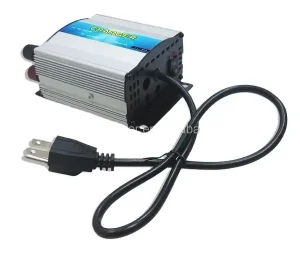
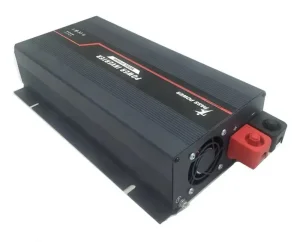
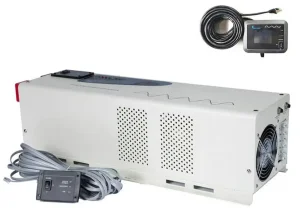
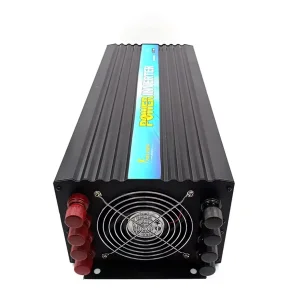
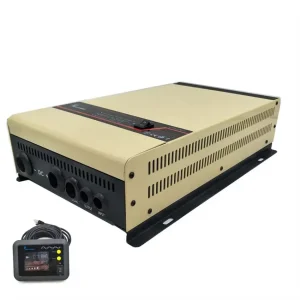
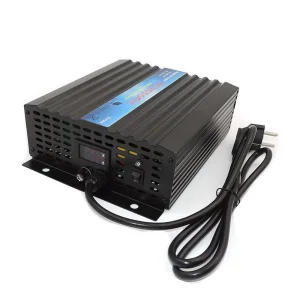
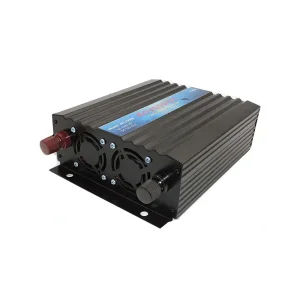
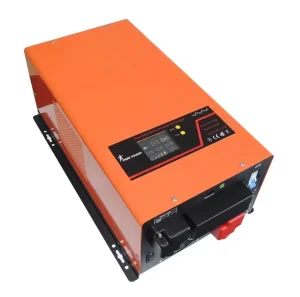
Direct factory engineering solutions featuring pure sine wave topology, heavy surge resilience, and multi-stage intelligent charging systems.
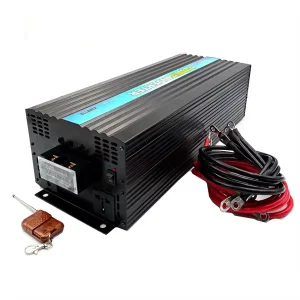
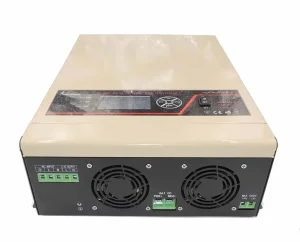
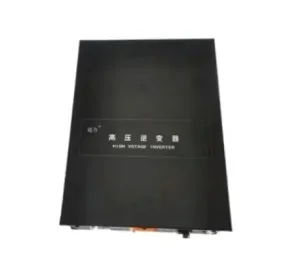
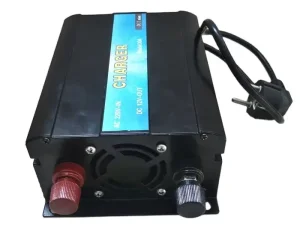
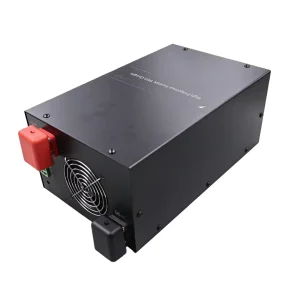
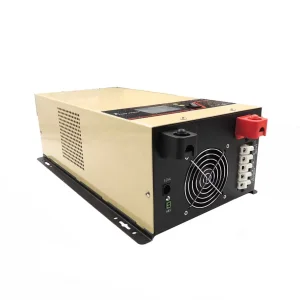
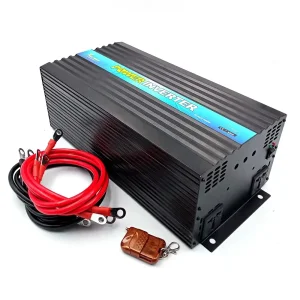
Transitioning from localized emergency battery packs to centralized high-efficiency Emergency Power Systems (EPS).
For decades, commercial and municipal infrastructure relied heavily on decentralized self-contained battery units mounted directly inside emergency luminaires. Modern building safety guidelines, including NFPA 101 Life Safety Code and International Building Codes (IBC), have forced an engineering pivot toward Centralized Emergency Lighting Inverters (ELIs).
Centralized inverters consolidate back-up power management into single heavy-duty enclosures. By converting DC battery power into standardized, uncompromised AC voltage (120V, 277V, or 3-phase 400V), emergency lighting inverters empower facility engineers to utilize existing standard lighting fixtures for emergency egress without requiring specialized DC-only emergency lamps.
A common mistake in B2B procurement is specifying standard commercial Uninterruptible Power Supplies (UPS) for life-safety emergency lighting. Standard IT UPS units fail to meet key emergency lighting requirements:
SEO Information Gain Insight: According to global life safety regulations, high-quality emergency lighting inverters must achieve a minimum system operational efficiency of 95% while maintaining Total Harmonic Distortion (THD) under 3% for non-linear LED driver loads to prevent harmonic heating and driver failure.
How Silicon Carbide (SiC) semiconductors, LiFePO4 energy storage, and smart IoT telemetry are defining modern power electronics manufacturing.
Traditional low-frequency transformers or legacy silicon IGBT switches yield heat dissipation losses. Modern high-efficiency emergency lighting inverters incorporate Silicon Carbide (SiC) MOSFETs, pushing switching frequencies above 50 kHz. This reduces core footprint, slashes thermal losses by up to 40%, and enables ultra-compact wall-mounted inverter designs.
While Valve-Regulated Lead-Acid (VRLA) batteries historically dominated back-up power rooms, tier-1 EPC procurement specifiers now mandate LiFePO4 battery modules. LiFePO4 delivers 3x the cycle life, superior energy density, faster recharging speeds (under 4 hours to 90%), and a 10+ year operational lifespan without memory effect degradation.
Manual testing of emergency lighting systems consumes significant labor costs. Next-generation central inverter systems natively embed Modbus TCP/RTU, SNMP, and BACnet IP communication cards. This allows facility operators to perform automated self-testing and real-time battery impedance monitoring directly through centralized Cloud dashboard platforms.
Evaluating technical parameter standards across different inverter power architectures.
| Architecture Type | Primary Utility Voltage | Transfer Time | Typical Surge Capacity | Optimal Application Profile |
|---|---|---|---|---|
| Low-Frequency Toroidal Inverters | 120V / 230V / 480V Single & 3-Phase | 8ms – 16ms | 300% – 500% (up to 20 seconds) | Heavy inductive loads, motors, pumps, and high-wattage HID/Halogen emergency lighting grids. |
| High-Frequency Pure Sine Wave | 120V / 220V AC Single Phase | < 2ms – 8ms | 150% – 200% (up to 5 seconds) | Space-constrained indoor installations, digital LED emergency arrays, and sensitive electronics. |
| Hybrid MPPT Emergency Systems | 120V – 500V PV / Grid AC Input | Zero-Break (Online Double Conversion) | 200% Surge Rating | Off-grid eco-buildings, remote municipal infrastructure, and micro-grid backed disaster shelters. |
| High-Voltage Industrial DC Platforms | 380V – 540V DC Bus Architecture | Instantaneous DC Coupling | 400% Instant Peak Load | Data centers, electric vehicle manufacturing plants, and heavy commercial transit hubs. |
Custom engineered emergency backup configurations deployed across multi-sector commercial, municipal, and industrial infrastructure.
High-density public environments mandate continuous compliance with life safety egress codes. Centralized emergency lighting inverters power multi-floor stairwell illuminations, exit sign pathways, and lobby emergency lighting arrays automatically during main power outages. By standardizing on pure sine wave output, building operators run existing architectural LED fixtures without flickering or driver degradation.
Subway tunnels, airport passenger terminals, and highway underpasses represent harsh physical operating environments requiring ruggedized NEMA/IP-rated emergency power systems. Low-frequency toroidal inverter designs withstand extreme ambient temperature fluctuations, dust ingress, and voltage spikes caused by heavy electric transit machinery while maintaining reliable 90-minute lighting emergency runtimes.
Hospitals, surgical centers, and healthcare complexes require zero-tolerance power resilience. Emergency lighting inverters configured with fast transfer switches (FTS) work alongside primary diesel generator backup systems, bridging critical blackout gaps to ensure surgical lighting and life-safety exit routes remain illuminated without a millisecond of total darkness.
In hazardous industrial facilities, emergency lighting systems must overcome high vibration, corrosive atmospheres, and explosive dust hazards. Custom high-voltage DC (380V–540V DC) inverters engineered with conformal-coated circuit boards and isolated transformers deliver uncompromised backup power for critical safety evacuation systems and process containment monitoring.
Ensuring full market access and legal safety compliance across major international markets.
For deployment in the US and Canada, emergency lighting inverters must achieve strict UL 924 Emergency Lighting and Power Equipment certification. Compliance demands automatic weekly/monthly self-diagnostic testing, minimum 90-minute battery operational autonomy under full rated load, and automatic transfer functionality during utility voltage drops below 80% nominal.
European projects specify adherence to EN 50171 Central Power Supply Systems (CPS). Standardized requirements include robust short-circuit protection capable of clearing downstream circuit breakers, galvanic isolation between DC battery circuits and AC output lines, and low smoke zero halogen (LSZH) internal wiring for public building safety.
Every industrial inverter unit leaving the factory undergoes a 100% full-load thermal burn-in aging process, high-voltage breakdown dielectric testing, and complete harmonic analysis. ISO 9001:2015 quality management protocols guarantee that customized DC input voltages (12V, 24V, 48V, 96V, up to 540V) maintain exact performance tolerances across batch production runs.
Pioneering smart grid interaction, AI predictive maintenance, and next-generation solid-state power conversion.
Future emergency lighting inverter platforms will integrate neural network algorithms inside the DSP core. By analyzing subtle micro-impedance changes and discharge curves, the system will predict individual battery cell failure up to 90 days before physical failure occurs, virtually eliminating emergency lighting downtime.
As electric vehicles become ubiquitous, next-gen central emergency inverters will communicate with commercial EV fleet chargers via ISO 15181. In extreme disaster scenarios, emergency lighting inverters will dynamically draw secondary backup power from parked electric vehicle fleets (Vehicle-to-Grid) to extend facility life-safety runtime far beyond 90 minutes.
Transitioning from Silicon to Gallium Nitride (GaN) power switches will allow high-frequency inverters to achieve up to 98.5% efficiency. GaN technology operates at near-zero thermal loss, allowing future emergency lighting inverters to shrink chassis sizes by an additional 50% while operating quietly without active fan cooling.
Frequently asked technical questions by electrical engineers, system integrators, and B2B buyers.
Low-frequency inverters utilize heavy toroidal line-frequency transformers. This design gives them exceptional surge capacity (300%-500%), making them ideal for heavy inductive loads like motors, pumps, and older HID lighting. High-frequency inverters utilize fast electronic switching with compact transformers, making them significantly lighter, smaller, and highly efficient for pure LED lighting grids and electronic systems.
Modern LED emergency fixtures use delicate electronic drivers. Modified sine wave or square wave inverters generate heavy electrical noise and high Total Harmonic Distortion (THD). This harmonic distortion causes LED drivers to overheat, buzz, strobe, or trigger premature component failure during emergency switchover. Pure sine wave inverters deliver utility-grade or better AC power (THD <3%).
To calculate capacity, multiply total emergency luminaire wattage by the driver power factor (typically 0.9 to 0.95). Add a mandatory 20% engineering safety margin for future expansion and inrush headroom. For example, a 3,000W LED total load should be paired with a minimum 4kW to 5kW rated emergency lighting inverter to handle start-up inrush current safely.
Yes. As a direct manufacturer, we provide OEM/ODM engineering support to customize DC input voltage configurations across standard 12V, 24V, 48V, and 96V DC platforms, as well as specialized high-voltage industrial platforms ranging up to 380V and 540V DC for specialized commercial and electric vehicle manufacturing facilities.
Our 3-stage intelligent charger platforms feature selectable charging profiles for standard Sealed Lead-Acid (SLA), Gel, AGM, and modern Lithium Iron Phosphate (LiFePO4) battery chemistries. The charger automatically adjusts bulk, absorption, and float charge voltage levels to maximize battery life and thermal stability.
Our fast-transfer emergency inverters execute switchover between utility grid power and inverter battery power in under 8 to 16 milliseconds for standard models, and under 2 milliseconds for ultra-fast transfer models, ensuring continuous illumination without resetting electronic lighting controls.
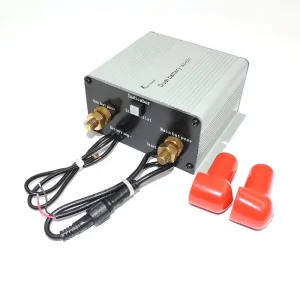
High-voltage single phase inverters, multi-stage chargers, and intelligent battery isolation modules.