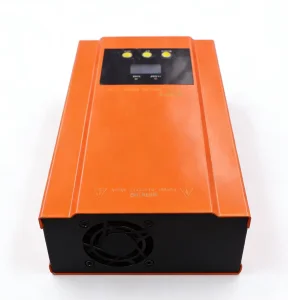
Explore our top-tier export power conversion equipment, optimized for VRLA, AGM, GEL, and flooded lead-acid energy storage infrastructure.
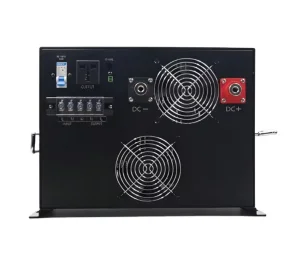
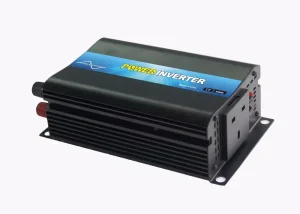
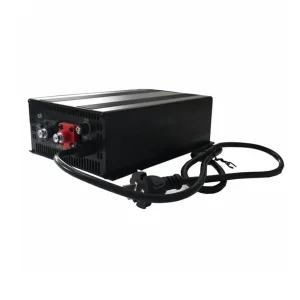
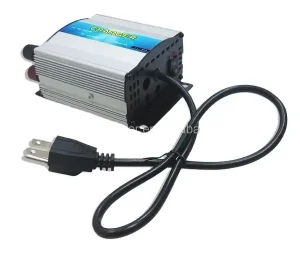
Despite the rapid penetration of lithium-ion technology in portable consumer electronics, lead-acid chemistry remains an irreplaceable bedrock of global industrial infrastructure, utility backup, heavy motive power, and off-grid renewable energy storage. Characterized by unmatched thermal stability, non-flammable aqueous electrolytes, superior cold-cranking performance, and a fully established closed-loop circular economy (>99% recycling rate across North America and Europe), lead-acid technology continues to grow in scale across mission-critical sectors.
Global energy procurement networks rely heavily on specialized Original Design Manufacturers (ODM) to bridge the gap between electrochemical energy storage cells (AGM, GEL, VRLA, Tubular OPzS/OPzV) and electronic power conversion hardware (pure sine wave inverters, MPPT solar charge controllers, multi-stage intelligent chargers). The modern industrial lead-acid supply chain is no longer just about battery plate casting; it requires deep system-level integration with power electronics engineered to maximize cycle life, mitigate sulfation, and prevent thermal runaway.
Featuring recombinant valve-regulated designs where the acid electrolyte is immobilized in micro-fiberglass mats. Ideal for high-rate discharge applications, UPS backups, emergency medical vehicles, and maintenance-free mobile installations.
Formulated by adding silica fume to the electrolyte, creating a immobile gel matrix. GEL and tubular deep-cycle lead-acid batteries excel in extreme ambient temperatures (-20°C to +55°C) and deep-discharge solar microgrids where long cycle life is mandatory.
Classic flooded lead-acid batteries offer unmatched instantaneous surge currents and lowest capital expenditure per kilowatt-hour ($/kWh). Perfect for heavy-duty industrial machinery, marine engine start, and stationary utility sub-stations.
China’s dominance in the global power conversion and battery accessory ecosystem stems from its integrated industrial clusters, advanced automated manufacturing facilities, and relentless supply chain optimization. Centered in technology hubs like Suzhou, Jiangsu, leading OEM/ODM manufacturers like Suzhou Maili Electrical Appliance Co., Ltd. (Pass Power) leverage a 2,770 m² ISO 9001:2015-certified facility to deliver engineered power electronics for B2B distributors worldwide.
| Manufacturing Metric | Standard Regional Workshops | Suzhou Maili Advanced ODM Factory |
|---|---|---|
| Quality Certification | Basic ISO 9001 compliance | ISO 9001:2015, CE, RoHS, SGS, High-Tech Enterprise Certified |
| Inverter Topologies Supported | High-Frequency switching only | Low-Frequency Toroidal Heavy-Duty & High-Frequency Pure Sine Wave |
| Lead-Acid Charging Algorithms | Fixed 2-Stage CV/CC charging | Custom 3-Stage / 4-Stage Intelligent Profiles (AGM/GEL/Flooded/Desulfation) |
| OEM/ODM Flexibility | Logo sticker customization only | 8 Customization Vectors: Voltage, Current, Ports, Protocols, Shell, Pins, Sockets, LCD |
| Burn-in Aging Protocol | Sample testing (10-20%) | 100% Full-Load Computerized Power Aging & Thermal Thermal-Imaging Testing |
A common point of failure in off-grid power installations is the mismatch between battery discharge characteristics and inverter shutdown/charging parameters. Lead-acid batteries exhibit internal resistance variations dictated by Peukert's Law, meaning available battery capacity decreases at higher discharge C-rates. Furthermore, improper charging voltage profiles cause lead plate sulfation or water loss via electrolysis.
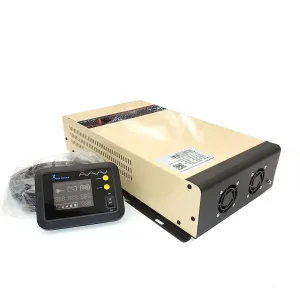
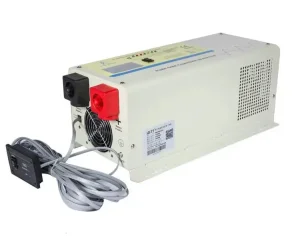
Our ODM lead-acid factory and power electronics engineering team design 3-stage and 4-stage smart charging circuits integrated directly into pure sine wave inverter-chargers. This guarantees maximal energy absorption while protecting delicate valve-regulated lead-acid seals:
Delivers full rated charger current (e.g., 30A to 80A) into the lead-acid bank, rapidly restoring battery capacity to approximately 80% state-of-charge (SOC) without overheating the plates.
Maintains precise absorption voltage (14.2V–14.6V for AGM; 14.1V–14.4V for GEL at 12V scale) while charging current tapered smoothly as internal electrochemical saturation approaches 100%.
Reduces voltage to a safe maintenance level (13.5V–13.8V) to compensate for self-discharge, keeping the battery bank fully charged indefinitely without boiling electrolyte or gassing.
When driving heavy inductive loads—such as water pumps, motor-driven air conditioners, power tools, and refrigeration compressors—lead-acid battery banks experience massive instantaneous current draw. Low-frequency inverters featuring heavy copper toroidal transformers absorb these 300% peak surge spikes for up to 20 seconds without tripping thermal or overload protection, making them the preferred choice for commercial work trucks and remote industrial telecommunications.
Our engineered lead-acid compatible inverter and charger systems are deployed across extreme climates and demanding industrial scenarios around the globe. Below are key field-proven deployment architectures:
Mobile environments demand ultra-reliable power. Integrating 12V 3000W or 1500W low-frequency inverter-chargers with dual battery isolators enables seamless charging from the engine alternator while driving, and automatically switches to shore power or lead-acid auxiliary power when off-grid.
Off-grid cellular towers in remote regions depend on 48V VRLA or GEL lead-acid battery banks coupled with hybrid MPPT solar inverters. Built-in automatic generator start (AGS) dry contacts ensure zero signal downtime even during prolonged grid outages.
Irrigation pumps require immense initial starting current. High-power 5kW to 10kW low-frequency pure sine wave converters powered by 24V or 48V deep-cycle tubular lead-acid batteries deliver high peak energy without grid dependence.
International B2B procurement managers, energy hardware brand owners, and OEM distributors face stringent quality control requirements when sourcing off-grid energy hardware. Evaluating an ODM lead-acid factory and inverter manufacturer requires analyzing both hardware durability and factory engineering capabilities.
The industrial power sector is witnessing significant technological advancements in lead-acid chemistry and conversion hardware. Key developments shaping the 2025–2035 procurement landscape include:
Adding nano-carbon material to the negative plate suppresses sulfation in Partial State of Charge (PSoC) conditions, increasing deep-cycle life up to 3,000+ cycles at 50% DOD, bridging the gap with lithium at half the upfront capital cost.
Next-generation ODM inverter-chargers incorporate automatic high-frequency pulse desulfation cycles and Wi-Fi/Bluetooth IoT modules, allowing plant managers to remotely monitor battery internal resistance and SOC in real time.
Modern power inverters are engineered with dual-mode firmware, allowing seamless switching between lead-acid (AGM/GEL/Flooded) charge curves and lithium (LiFePO4) CANbus BMS handshakes, future-proofing client investments.
Comprehensive technical answers curated for B2B procurement managers, electrical engineers, and private-label brand importers.
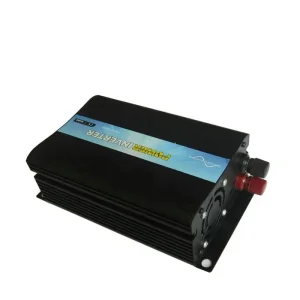
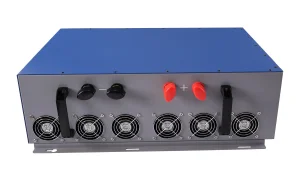
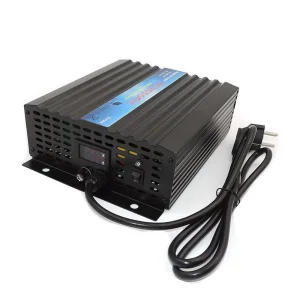
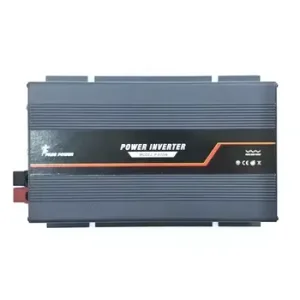
Explore additional high-performance power conversion equipment engineered for global distributors, vehicle manufacturers, and off-grid solar integrators.
Gain direct access to ISO 9001:2015 certified engineering, low MOQ flexibility, and custom hardware manufacturing.
Request Product Catalog & Factory OEM Quote