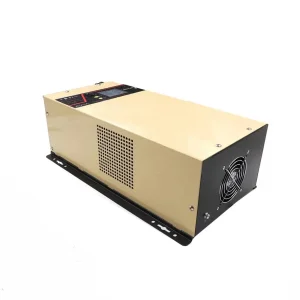
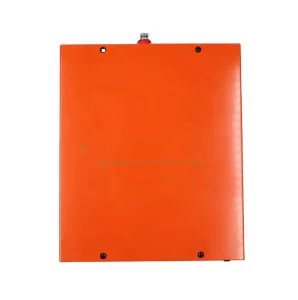
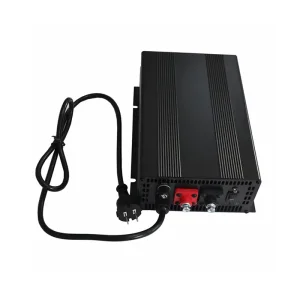
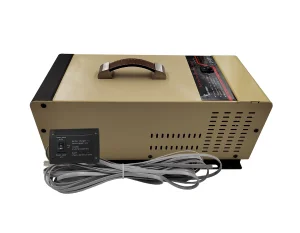
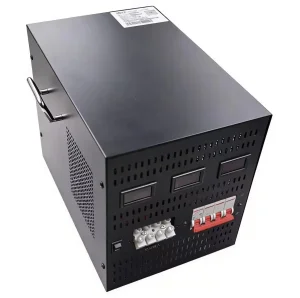
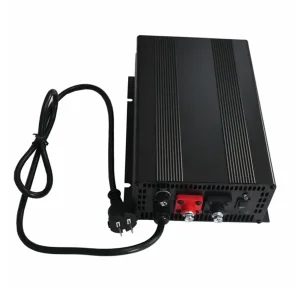
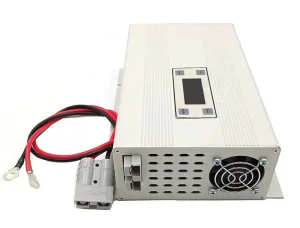
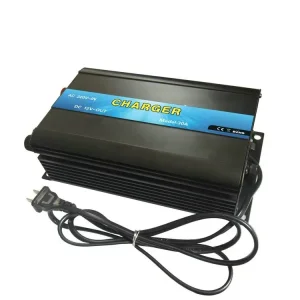
Explore certified, high-performance power transformation platforms engineered for global commercial, industrial, and off-grid deployment.
Understanding why the 4.5kW (4500W) continuous power rating has become the sweet spot for global energy transition, commercial electrification, and residential energy storage systems (ESS).
In the global energy transformation landscape, procurement managers and B2B buyers frequently seek optimal power conversion metrics. The 4.5kW inverter platform represents a fundamental architectural sweet spot. Sitting directly between light-duty residential units (3kW) and heavy commercial setups (6kW-10kW), a 4.5kW continuous-rated pure sine wave inverter provides sufficient surge capacity and continuous thermal ceiling to power split-phase air conditioning units, heavy inductive industrial tools, motor-driven pumps, and modern EV auxiliary charging stations without pushing battery bus voltages into dangerous thermal zones.
Deep-dive engineering analysis contrasting Silicon Carbide (SiC) MOSFET platforms against traditional Toroidal Low-Frequency designs.
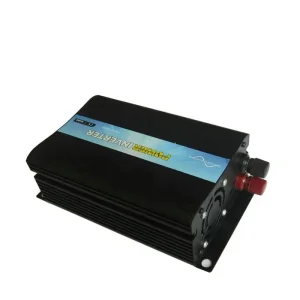
Next-generation 4.5kW high-frequency inverters leverage Silicon Carbide (SiC) and Gallium Nitride (GaN) field-effect transistors. Operating at switching frequencies upwards of 100kHz to 300kHz allows factories to drastically reduce the magnetic footprint of inductors and transformers.
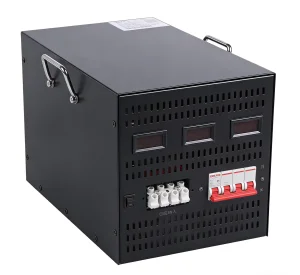
For extreme environments featuring high inductive motor starting surges (e.g., commercial refrigeration, power tools, heavy marine winches), low-frequency 4.5kW inverters utilizing grain-oriented toroidal copper transformers remain unmatched in reliability.
Integration of ISO 15118 protocols for Vehicle-to-Grid (V2G) and Vehicle-to-Home (V2H) energy routing. AI-driven predictive edge computing adjusts charge/discharge cycles based on dynamic spot-market electricity pricing.
Firmware and hardware alignment for ultra-wide DC operating windows (30VDC to 800VDC), seamlessly interfacing next-generation solid-state cell chemistries with zero manual calibration.
Advanced inverter control loops capable of operating in pure grid-forming mode, providing instantaneous synthetic inertia to stabilize local microgrids during high renewable penetration scenarios.
Tailored engineering implementations across residential, mobile, industrial, and telecommunication infrastructure.
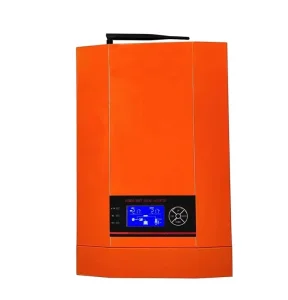
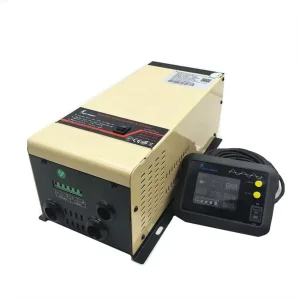
Integrating 4.5kW hybrid solar inverters into modern residential solar systems ensures complete energy independence. Equipped with intelligent battery chargers and automatic generator starting contacts, these systems seamlessly switch between solar power, energy storage, grid power, and backup diesel generators.
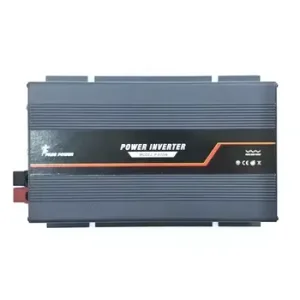
From mobile medical clinics and fire command vehicles to overland caravans and work trucks, 4.5kW wall-mounted pure sine wave inverters power heavy onboard diagnostic gear, air conditioning, and high-draw tools directly from auxiliary 12V, 24V, or 48V battery banks.
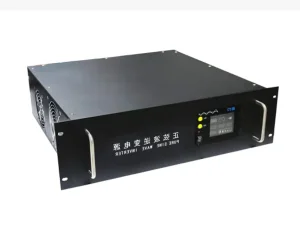
Off-grid cellular towers and remote monitoring stations require continuous 24/7/365 operational uptime. 4.5kW rack-mounted low-frequency inverters engineered with dry contacts and SNMP/Modbus remote telemetry protocols guarantee uninterrupted clean power even in remote desert or mountain sites.
How Suzhou Maili Electrical Appliance Co., Ltd. leverages advanced industrial automation, localized component ecosystems, and stringent ISO 9001 quality controls to deliver unparalleled cost efficiency and delivery reliability.
Operating from a state-of-the-art 2,770 m² manufacturing facility in Suzhou, China, our manufacturing line integrates SMT surface mount technology, Automated Optical Inspection (AOI), high-precision winding machines for toroidal transformers, and computer-controlled full-load burn-in testing chambers.
Every single 4.5kW inverter unit undergoes a 100% 4-hour high-temperature full-load aging test followed by transient surge voltage simulation to guarantee zero-defect shipment.
Our strategic location in Suzhou places our plant at the heart of the world’s most dense power electronics cluster. Within a 50-kilometer radius, we source premium MOSFETs, high-permeability magnetic cores, flame-retardant aluminum housings, and custom PCB boards.
This hyper-localized supply chain eliminates component bottlenecks, shortens prototype lead times down to 7 days, and provides global enterprise buyers with scalable pricing resilience against international logistics volatility.
A comprehensive framework detailing the 8 technical dimensions of customization available for B2B importers, distributors, and original equipment manufacturers.
| Customization Vector | Technical Options & Flexibility | Compliance Target |
|---|---|---|
| 1. DC Input Voltage Platform | 12VDC, 24VDC, 48VDC, 96VDC up to 380VDC High Voltage platforms | ISO 9001 / Automotive Grade |
| 2. AC Output & Waveform | Pure Sine Wave: 100V, 110V, 120V, 220V, 230V, 240V | 50Hz / 60Hz | Split-Phase & 3-Phase | CE, RoHS, CB Certification |
| 3. Charging Algorithm | 3-Stage Intelligent Charging (Bulk, Absorption, Float) for LiFePO4, AGM, GEL, Lead-Acid | UN38.3, IEC 62109-1 |
| 4. Enclosure & Thermal Protection | Wall-mounted, Rack-mounted, Ultra-thin extruded aluminum | IP30 to IP65 weatherproofing | SGS Ingress Protection |
| 5. Communication Protocols | RS485, CANbus, Modbus RTU, Wi-Fi IoT Cloud Monitoring, Dry Contacts | IEEE 1547-2026 Ready |
| 6. Input Pins & Sockets | US NEMA, European Schuko, Universal AC, AU/NZ, UK, Industrial Terminal Blocks | Global Regional Standards |
| 7. Display & HMI Interface | Digital LCD Screen, LED Indicators, Custom Graphic User Interface (GUI), Logo Branding | OEM Private Labeling |
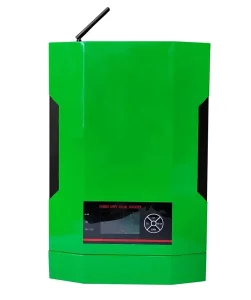
| 8. Silk Screen & Enclosure Color | Custom Pantone colors, private logo screen printing, branded packaging boxes | Brand Alignment |
Navigating regional electrical codes, grid interconnection rules, and international certification mandates for zero-risk market expansion.
Importers sourcing 4.5kW inverters into North America must align with UL 1741 (SA/SB Edition) standards for grid interconnection and safety, as well as FCC Part 15 Class B electromagnetic compatibility.
For the European Union, products must comply with Low Voltage Directive (LVD 2014/35/EU), EMC Directive (2014/30/EU), and RoHS 2011/65/EU hazardous substance restrictions. Suzhou Maili manufactures all units using flame-retardant internal wiring and certified PCB substrate materials.
Global utility grids demand active Anti-Islanding protection (IEEE 1547 / IEC 62109-2) to ensure that off-grid or grid-interactive 4.5kW inverters disconnect immediately during utility outages, safeguarding grid maintenance personnel.
Our OEM engineering support team assists local distributors in flashing regional grid-code profiles (such as Germany VDE-AR-N 4105, UK G99, Australia AS/NZS 4777.2) directly at our factory prior to container dispatch.
Expert technical answers addressing common procurement, engineering, and logistics queries from global B2B buyers.
Explore certified, high-performance power transformation platforms engineered for global commercial, industrial, and off-grid deployment.