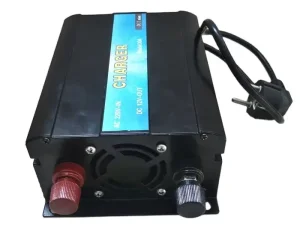
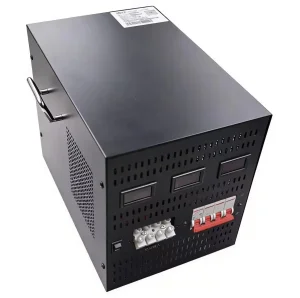
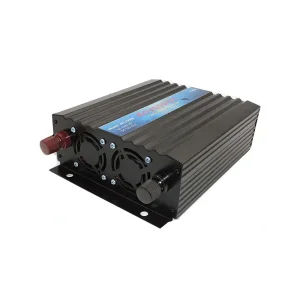
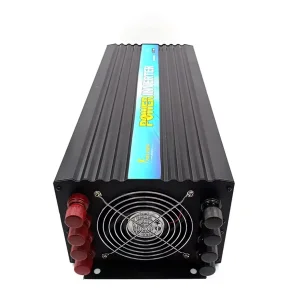
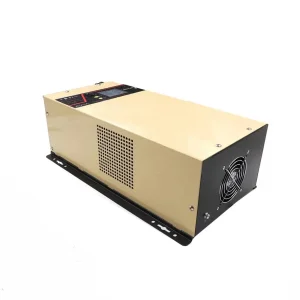
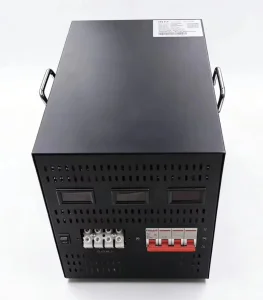
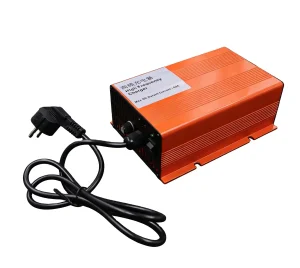
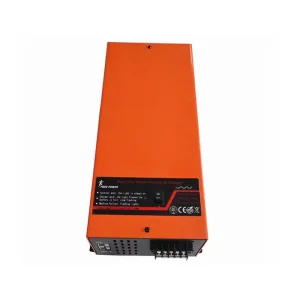
OEM/ODM Factory Direct Supply — Precision Engineered for High Inductive Surge Applications
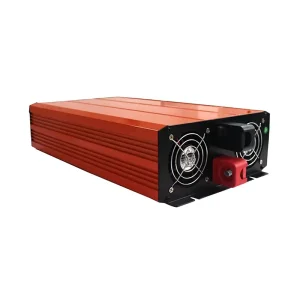
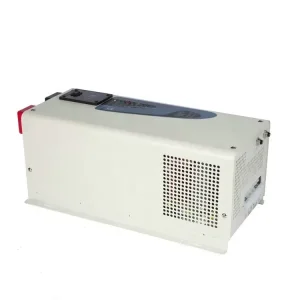
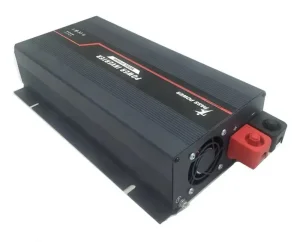
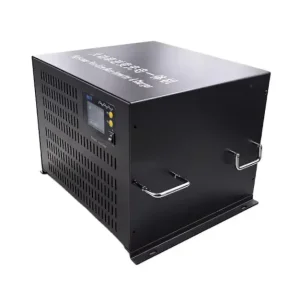
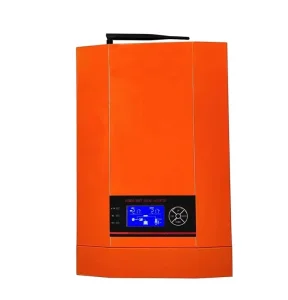
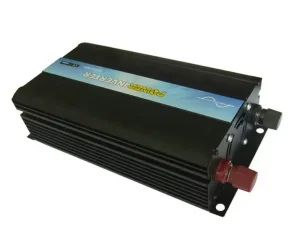
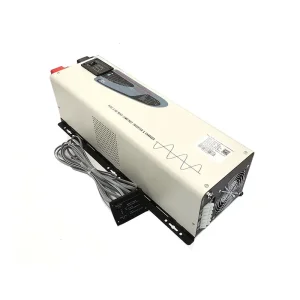
Understanding Toroidal Transformer Galvanic Isolation vs High-Frequency MOSFET Topologies
In modern electrical conversion engineering, selecting between Low Frequency (LF) inverter chargers and High Frequency (HF) switching topologies is not merely a matter of physical size or budget; it represents a fundamental tradeoff in electromagnetic topology, thermal inertia, and surge capacity. As tier-1 OEM low frequency inverter charger suppliers & factories, we engineer solutions designed to excel where high-frequency switching units inherently reach physical limits: handling intense, highly inductive surge currents generated by electric motors, heavy HVAC compressors, industrial pumps, and power tools.
Information Gain Key Insight: Low Frequency inverters leverage massive, grain-oriented silicon steel toroidal transformers that act as electromagnetic flywheels. Unlike High Frequency switching stages that rely on delicate MOSFETs operating at 20kHz–100kHz, LF architectures store energy in the core's magnetic field, enabling a continuous 300% to 500% surge overload capability for up to 20 seconds without semiconductor breakdown.
Utilizing cold-rolled grain-oriented (CRGO) silicon steel cores, our toroidal transformers deliver 95%+ magnetic efficiency with sub-1% no-load excitation losses. Double-layer insulated copper magnet wire minimizes skin effect and withstands operating temperatures up to 180°C (Class H isolation).
Inductive motor startup creates a localized back-EMF spikes and locked-rotor current (LRA) reaching up to 6x nominal rated current. The heavy copper windings and magnetic core absorb these transients seamlessly, preventing the rapid thermal runaway typical of high-frequency FETs.
By completely isolating the DC battery bank from the AC output utility line through physical primary-to-secondary magnetic coupling, low frequency topology eliminates direct DC offset leakage, shielding sensitive upstream electronics from destructive grid spikes.
| Engineering Dimension | Low Frequency (Toroidal LF) Inverter Charger | High Frequency (HF MOSFET Switch) Inverter |
|---|---|---|
| Primary Transformer Core | Heavy Grain-Oriented Silicon Steel Toroidal Core (50/60Hz) | Compact Ferrite Core High-Frequency Switch (20kHz+) |
| Peak Surge Rating (300%–500%) | Sustained 10s–20s (Ideal for Motors, Pumps, Compressors) | Transient 10ms–100ms (Prone to Over-Current Trip) |
| Galvanic Isolation | Complete Magnetic Primary/Secondary Isolation | Non-Isolated or High-Frequency Capacitive Coupled |
| Total Harmonic Distortion (THD) | < 3% Pure Sine Wave (Clean Utility Grade) | 3% – 5% Pure Sine Wave (Voltage Ripple Dependent) |
| Operational Lifespan | 10 – 15+ Years (Heavy Duty Industrial Design) | 3 – 6 Years (Heat Sensitive Capacitor Wear) |
| Integrated Battery Charging | High-Current 3-Stage Smart Charger (Up to 100A+) | Low-to-Medium Current Switched-Mode Charging |
Deploying High-Surge Inverter Charger Infrastructure Across Global Commercial & Industrial Demands
In mobile workshops, emergency response ambulances, fire command trucks, and luxury RVs, power reliability is non-negotiable. Our low frequency units provide heavy initial current to start 15,000 BTU roof-top air conditioners, high-pressure air compressors, and hydraulic pumps. The integrated smart battery charger charges auxiliary LiFePO4 or Lead-Acid house batteries simultaneously when plugged into shore power or secondary generators.
Remote homesteads, eco-resorts, and agricultural pumping stations frequently operate entirely outside grid coverage. Paired with solar charge controllers or wind turbines, our 3kW to 10kW low frequency hybrid inverter chargers function as central power hubs. They manage incoming solar energy, regulate battery storage depth, and seamlessly start backup diesel generators via dry contact relay signals whenever voltage thresholds dip.
Cellular base stations, remote monitoring stations, and industrial automation control cabinets demand zero power disruption. With an ultra-fast automatic transfer switch (ATS) operating at < 10ms, our low frequency inverter chargers switch seamlessly from AC grid bypass mode to battery inversion mode, eliminating data corruption or machinery resetting during utility brownouts.
Next-Generation Silicon Carbide (SiC) Hybrid Topologies & AI-Driven Smart Battery Management
As energy storage shifts rapidly toward high-density Lithium Iron Phosphate (LiFePO4) chemistries and distributed smart microgrids, low frequency inverter architecture is undergoing a major technological revolution. As forward-thinking **OEM low frequency inverter charger suppliers & factories**, our R&D roadmap integrates wide-bandgap semiconductors and edge AI telemetry into heavy-duty toroidal designs.
By replacing traditional silicon IGBTs with Silicon Carbide (SiC) power switches in the low-voltage primary driving circuit, next-generation LF inverters reduce internal switching conduction losses by up to 40%. This breakthrough allows toroidal inverters to achieve peak full-load conversion efficiencies exceeding 96.5% while maintaining their legendary physical surge immunity.
Future off-grid systems demand seamless communication between the inverter charger and battery management systems (BMS). Our latest product platform features custom CANbus / Modbus protocols pre-programmed for major battery brands (Pylontech, Victron, BYD, Seplos). This enables real-time dynamic adjustment of charging current based on cell temperature, state-of-charge (SoC), and individual cell voltage balance.
Vertical Integration, Raw Material Security, and Unrivaled OEM/ODM Scalability
The manufacture of low frequency power inverters is uniquely resource-intensive, requiring high-grade copper, specialized magnetic steel cores, custom extruded aluminum heat sinks, and robust power PCB assembly. China’s advanced power electronics ecosystem provides an unmatched strategic advantage for global B2B buyers, distributors, and system integrators seeking high-capacity OEM manufacturing partner facilities.
Located in core manufacturing hubs (such as Suzhou and the Yangtze River Delta electronics corridor), our facilities source grain-oriented silicon steel, pure electrolytic copper coils, and automotive-grade MOSFETs directly from tier-1 mills with zero supply disruption. This guarantees stable lead times and complete protection against global commodity fluctuations.
Every low frequency inverter charger that leaves our assembly line undergoes a 100% full-load thermal chamber burn-in test at 45°C ambient temperature for 12 hours. We perform automated optical inspections (AOI), high-voltage dielectric withstand tests, and dynamic motor-load spike shock tests to ensure 0% DOA rate upon customer delivery.
Our in-house engineering team supports extensive customization: bespoke DC input voltages (12V, 24V, 48V, 72V, 96V, 380VDC), tailored AC socket configurations (US, EU, UK, AU, Universal), customizable LCD display menus, private-label silk screening, custom powder-coated chassis colors, and proprietary communication protocols.
Navigating International Grid Standards, Electromagnetic Compatibility, and Regional Certifications
Exporting industrial power equipment across North America, Europe, Oceania, and emerging markets requires strict alignment with local electrical codes and safety directives. Partnering with certified **OEM low frequency inverter charger suppliers & factories** eliminates regulatory bottlenecks and simplifies customs clearance.
Our inverter and battery charger product lines are engineered to meet key global standards, including CE (LVD EN62109-1/-2, EMC EN61000-6-1/-3), RoHS Directive compliance, CB Scheme safety testing, FCC Part 15 Class B electromagnetic interference standards, and IP30/IP65 chassis ratings. This comprehensive compliance guarantees seamless entry into regulated B2B supply chains.
We configure systems tailored to regional electrical standards worldwide: 110V/120V AC 60Hz (North America, Japan), 220V/230V/240V AC 50Hz/60Hz (Europe, Asia, Australia, Africa), as well as 120V/240V Split-Phase and 3-Phase 380V/400V industrial configurations. In addition, our units feature wide AC input voltage acceptance ranges (85V–135V or 160V–260V) to withstand unstable grid environments.
Expert Guidance for Distributors, Electrical Engineers, and System Buyers
A: Electric motors, refrigeration compressors, and power tools require an initial startup current (surge) that is 3 to 7 times higher than their continuous operating wattage. Low frequency inverters feature heavy line-frequency toroidal transformers that store magnetic energy, allowing them to absorb these high inductive current surges for up to 20 seconds. High frequency switching inverters rely on rapid semiconductor switching and small ferrite cores, which often trip over-current protection mechanisms or suffer thermal breakdown when exposed to heavy inductive surges.
A: Yes. Our low frequency inverter chargers feature intelligent 3-stage smart charging algorithms (Constant Current Bulk, Constant Voltage Absorption, and Float Stage). Through custom LCD menu controls or DIP switch presets, users can select specialized lithium charge profiles with customizable absorption voltage, low-voltage disconnect thresholds, and lithium battery automatic BMS wake-up functions triggered via DC pulse activation.
A: For standard branding customization (such as custom chassis silk-screening, custom housing color, and private-label packaging), our typical OEM MOQ starts at just 50 to 100 units. For complete engineering modifications (non-standard DC input voltages, customized PCB layout, or proprietary firmware communication protocols), sample prototypes are typically delivered within 15 to 20 business days, followed by mass production delivery in 30 days.
A: Because toroidal magnetic cores feature continuous grain-oriented silicon steel ribbons with no air gaps, their no-load excitation current is up to 80% lower than traditional E-I laminated iron core transformers. Additionally, our units feature an automatic "Power Saver / Sleep Mode." When load demand drops below 25 Watts, the inverter enters low-power pulse search mode, reducing idle consumption to under 5 to 10 Watts to preserve battery power.
A: Yes. We manufacture dedicated split-phase low frequency inverter chargers equipped with dual AC hot lines (L1 + L2 + Neutral + Ground). These units simultaneously output two 120V AC legs (180° out of phase) for standard household outlets and appliances, alongside a combined 240V AC output line ideal for heavy loads such as well pumps, clothes dryers, and central HVAC systems.
A: The integrated ATS continuously monitors incoming utility AC power or generator voltage. When AC grid power is present, the switch routes grid electricity directly to connected AC loads while simultaneously directing excess power to charge the battery bank. If grid voltage drops below acceptable limits or fails completely, the internal relay automatically transfers load power to battery inversion mode in less than 10 milliseconds, ensuring uninterrupted operation for computers, servers, and sensitive industrial electronics.
Industrial Power Electronics Engineered for Vehicle, Marine, Solar, and Utility Backup Applications