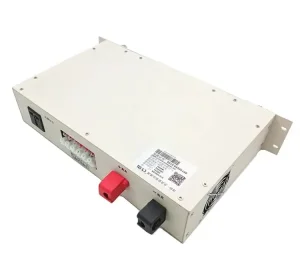
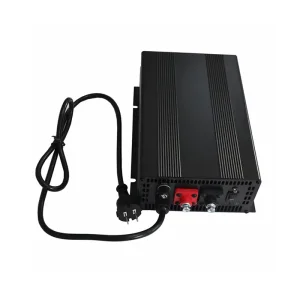
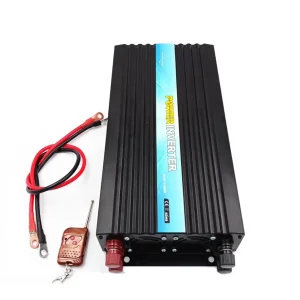
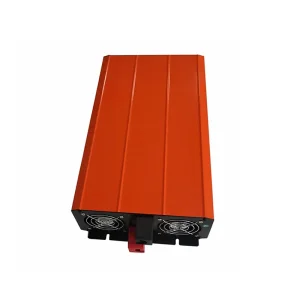
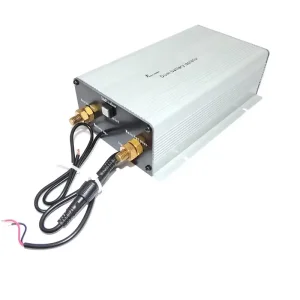
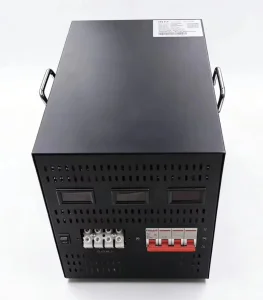
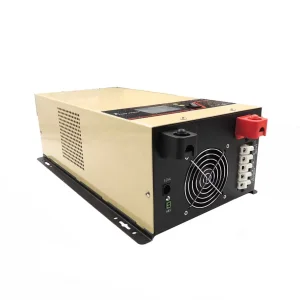
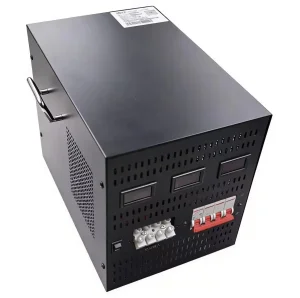
High-efficiency pure sine wave inverters, multi-phase power modules, and intelligent battery charging systems for commercial, off-grid, and mobile applications.
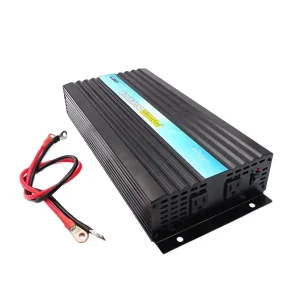
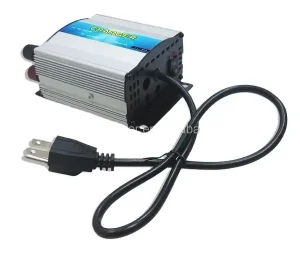
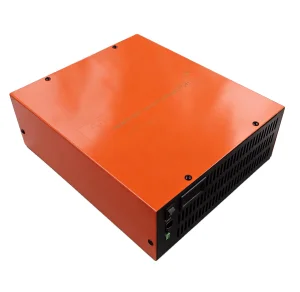
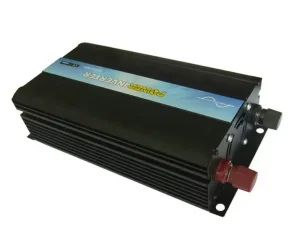
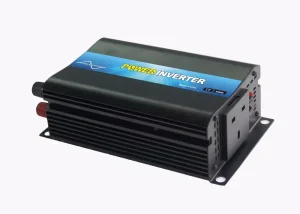
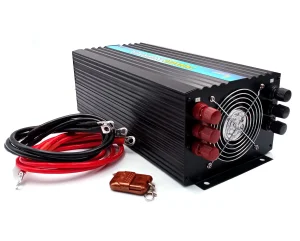
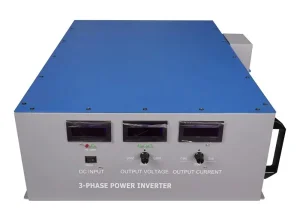
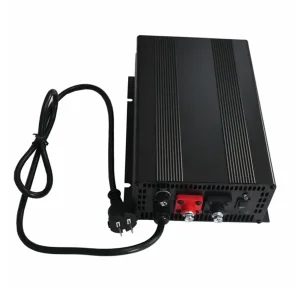
The acceleration of global energy transition, coupled with decentralized microgrid deployment, has transformed the solar inverter manufacturing landscape into an engineering-intensive ecosystem.
The global Photovoltaic (PV) inverter market represents the core intelligence of modern renewable energy networks. As the direct interface between DC solar generators, battery energy storage systems (BESS), and localized AC distribution grids, the performance of the PV inverter dictates system efficiency, Levelized Cost of Energy (LCOE), and long-term grid stability. OEM PV inverter factories play a critical role in this supply chain by providing scalable, certified hardware platforms engineered for private-label brand integration, regional climate adaptabilities, and dynamic grid code compliance.
According to global power electronics benchmark data, the shift toward Wide Bandgap (WBG) semiconductors—specifically Silicon Carbide (SiC) and Gallium Nitride (GaN) MOSFETs—has fundamentally raised power density expectations. OEM production hubs in East Asia, particularly specialized facilities in Suzhou and Guangdong, have integrated automated Surface Mount Technology (SMT), algorithmic Maximum Power Point Tracking (MPPT) testing rigs, and full-load thermal burn-in chambers to deliver tier-1 quality at competitive capital expenditures.
Utilities and commercial operators require inverter systems with conversion efficiencies exceeding 98.5% and wider MPPT operational windows to extract maximum kilowatt-hours from bifacial N-type TOPCon and HJT solar panels.
Standalone PV inverters are increasingly yielding market share to bidirectional hybrid solar MPPT inverters. Modern OEM factories must supply architectures capable of seamlessly managing LiFePO4 battery storage, solar input, and grid synchronization.
Compliance standards such as IEEE 1547-2020, UL 1741 SA/SB, and European EN 50549 demand smart inverter capabilities, including low-voltage ride-through (LVRT), frequency regulation, and encrypted RS485/CAN/WiFi communication links.
A comprehensive engineering comparison of inverter circuit designs to assist B2B procurement teams in specifying optimal hardware for targeted operational environments.
Selecting the correct inverter topology is the most decisive factor in power system design. OEM factories manufacture three main structural classes of inverters: Low Frequency (Toroidal Transformer-based), High Frequency (Switch-mode transformerless), and Hybrid MPPT integrated systems. Each engineering paradigm offers distinct physical, electrical, and thermal characteristics tailored to specific application profiles.
| Technical Parameter | Low Frequency (Toroidal Core) | High Frequency (FET/IGBT) | Hybrid Solar MPPT All-In-One |
|---|---|---|---|
| Primary Isolation Mechanism | Heavy Iron-Core Toroidal Transformer | Electronic Isolation / High-Freq Transformer | Integrated High-Freq DC-DC Stage |
| Peak Surge Capacity | 300% Nominal Power (10s) | 150% - 200% Nominal Power (2s) | 200% Nominal Power (5s) |
| Weight & Power Density | Heavy (Lower Power Density) | Ultra-Light, High Power Density | Compact Integrated Chassis |
| Inductive Load Compatibility | Exceptional (Compressors, Pumps, HVAC) | Moderate (Resistive & Light Inductive) | High (Universal Home/Commercial) |
| Peak Conversion Efficiency | 88% - 92% | 94% - 97% | 95% - 98.5% |
| Ideal Target Scenarios | RVs, Emergency Vehicles, Heavy Machinery | Telecom Racks, Electronics, Mobile Energy | Residential & Commercial PV Energy Storage |
While high-frequency inverters dominate consumer electronics due to lightweight chassis designs, low-frequency pure sine wave inverters built with copper toroidal transformers remain indispensable for industrial OEM clients. The galvanic isolation provided by a physical transformer protects sensitive microelectronics against extreme DC voltage spikes, reverse polarity events, and back-EMF feedback generated by heavy inductive motor starts in RV air conditioners, industrial refrigeration units, and off-grid water pumps.
Leading OEM factories are currently transitioning production lines toward next-generation power electronics architectures. Over the next five years, key technological benchmarks include:
Replacing traditional IGBTs with SiC MOSFETs reduces switching losses by up to 60%, allowing inverter operating frequencies to exceed 100 kHz while maintaining heat dissipation at manageable thresholds.
Advanced hybrid inverters now feature up to 4 independent MPPT channels with tracking efficiencies exceeding 99.9%, mitigating mismatch losses caused by partial shading or complex roof orientations.
Moving beyond traditional grid-following topologies, modern OEM software platforms enable grid-forming capabilities, allowing off-grid solar and battery systems to establish stable voltage and frequency references independently.
Deploying OEM solar inverters and power conversion units across demanding commercial, industrial, and specialized mobile environments worldwide.
Over-the-road travel trailers, luxury motorhomes, and commercial yachts require compact low frequency inverter chargers with integrated dual-battery isolators. OEM 12V/24V to 110V/230V units deliver pure sine wave power capable of running rooftop AC units while automatically switching to shore power when plugged in.
Off-grid cellular base stations and remote agricultural microgrids depend on hybrid MPPT solar inverters. Combined with multi-stage battery chargers supporting lithium (LiFePO4) and lead-acid chemistries, these systems guarantee 24/7 continuous uptime in extreme climates from deserts to sub-zero regions.
Ambulances and Mobile Command Centers require medical-grade power purity with Total Harmonic Distortion (THD) under 3%. High-frequency rack-mounted inverters paired with automatic transfer switches ensure life-critical telemetry, suction pumps, and defibrillators operate without interruption.
Small-to-medium enterprises utilize 3-Phase high-frequency and low-frequency inverter systems (e.g., 9KW to 10KW 190V/380V AC out) to safeguard CNC machines, server arrays, and industrial assembly lines against grid brownouts and voltage sags.
How specialized OEM inverter manufacturing plants translate customer specifications into certified, field-ready power electronics products.
Established power converter factories offer deep customization across hardware, firmware, and aesthetic dimensions. For international distributors, system integrators, and equipment manufacturers, private-label manufacturing relies on modular engineering protocols that allow rapid prototyping while guaranteeing compliance with regional electrical safety standards.
Customization of DC input platforms ranging from standard 12V, 24V, and 48V to high-voltage 96V DC and dedicated 380V DC industrial busses.
Single phase 110V/120V/220V/230V, split-phase (120V/240V North America), and 3-phase (190V/380V/415V) at 50Hz, 60Hz, or pure 400Hz military spec.
Integration of regional AC sockets (Universal, US, Schuko, UK, Australian) alongside heavy-duty DC studs and quick-connect solar MC4 interfaces.
Custom firmware integration for RS485, CANbus, Modbus RTU, Bluetooth, SNMP, and WiFi connectivity to interface with lithium BMS units.
Branded digital graphical LCD panels showcasing realtime PV yield, battery state of charge (SoC), load percentage, and fault diagnostics.
Custom powder-coated sheet metal or aluminum enclosures, laser-etched branding, IP20/IP30/IP65 ratings, and custom colorways.
Programmable 3-stage (Bulk, Absorption, Float) charging algorithms tailored specifically for LFP, NMC, AGM, Gel, or flooded lead-acid batteries.
Soft-start circuit programming, short-circuit, over-temperature, low-voltage shutdown, over-voltage, and anti-islanding protections.
Tier-1 OEM factories enforce a strict zero-defect manufacturing lifecycle. Every inverter unit undergoes automated Optical Inspection (AOI) on raw PCB assemblies, high-voltage dielectric withstand testing, automatic functional testing (ATE), and 100% full-load thermal burn-in aging (ranging from 4 to 24 hours at 45°C ambient temperatures) before final packaging. Compliance certifications such as CE, RoHS, CB, and SGS test validation ensure frictionless clearance through international customs and fast track local utility approvals.
Key financial, technical, and operational benchmarks for procurement directors sourcing PV inverters directly from manufacturing plants.
When evaluating potential OEM inverter manufacturing partners, procurement teams must look beyond initial unit cost per watt. Total Cost of Ownership (TCO), warranty failure rates, spare parts availability, and engineering responsiveness dictate long-term brand equity and customer satisfaction.
Ensure the OEM uses automotive-grade components, including Japanese electrolytic capacitors (e.g., Rubycon, Nichicon), MOSFETs/IGBTs from Infineon or STMicroelectronics, and high-permeability copper windings in transformers.
Evaluate the cooling topology. Premium inverters utilize heavy extruded aluminum heatsinks paired with intelligent variable-speed ball-bearing cooling fans controlled by dynamic thermistors to prevent thermal throttling.
Verify that the factory maintains an in-house software R&D team capable of providing over-the-air (OTA) firmware updates, custom BMS integration libraries, and rapid resolution of field telemetry anomalies.
Expert engineering answers to common technical queries raised by distributors, EPC contractors, and OEM buyers.
Explore our full range of industrial power converters, wind/solar hybrid units, multi-stage intelligent chargers, and dual-battery management systems.