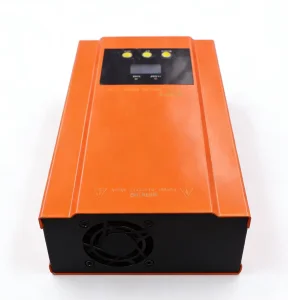
Explore top-tier power conversion equipment manufactured directly from our ISO 9001:2015 certified Suzhou facility.
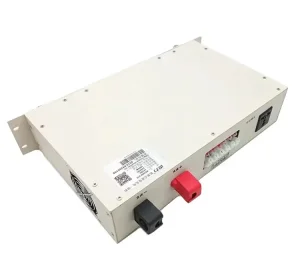
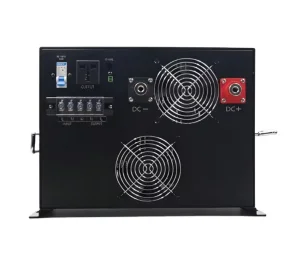
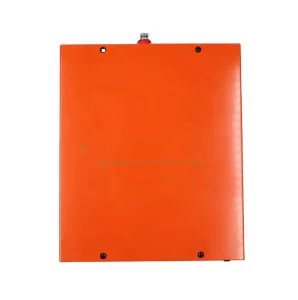
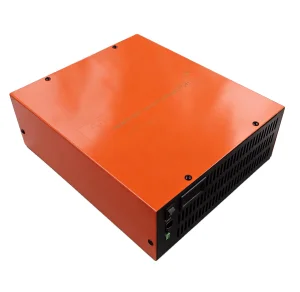
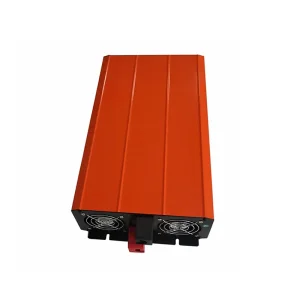
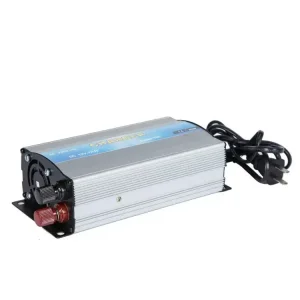
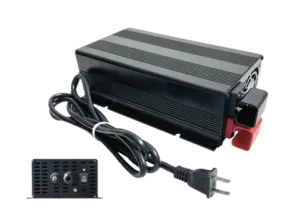
Mastering bulk, absorption, float, and equalization voltage profiles across Lithium Iron Phosphate (LiFePO4), AGM, GEL, and Lead-Acid chemistries.
In modern energy storage systems, commercial fleets, and off-grid solar microgrids, the precise configuration of wholesale battery charging voltage determines both systemic longevity and total thermodynamic performance. Battery charging is not merely the pumping of electrical current into a cell; it is a delicate electrochemical conversion governed by Nernstian equations, solid-electrolyte interphase (SEI) layer kinetics, and internal resistance thermal dissipation. Operating a wholesale charging plant or procuring bulk inverter-charger hardware requires a thorough comprehension of exact micro-voltage thresholds.
Modern industrial intelligent chargers switch seamlessly between constant current (CC) and constant voltage (CV) modes. Deviating from strict voltage tolerance windows by even 0.3 Volts per nominal 12V block can lead to catastrophic grid plate corrosion in lead-acid batteries or thermal runaway and dendrite formation in lithium-ion chemistries.
The charger delivers maximum rated amperage while the terminal voltage rises linearly toward the preset Absorption setpoint (e.g., 14.4V for 12V AGM). Energy replenishment reaches approximately 70% to 80% during this stage without thermal overloading.
Terminal voltage is locked at the maximum safe limit while current exponentially decays. This stage saturates the remaining 20%-30% capacity and restores active chemical mass (Lead Dioxide / Lithium Ions) without boiling liquid electrolyte.
Voltage is reduced to a safe low trickle threshold (13.5V - 13.8V for 12V systems) to counteract self-discharge without causing electrolyte loss or positive grid degradation during prolonged standby power states.
Purchasing wholesale chargers or inverter-chargers without verifying adjustable battery charging voltage settings risks hardware mismatch. Below is an engineering benchmark table utilized by Maili Electric OEM designers:
| Battery Chemistry | Nominal Cell Voltage | Absorption Voltage (12V Bank) | Float Voltage (12V Bank) | Equalization Voltage | Temperature Coefficient |
|---|---|---|---|---|---|
| LiFePO4 (LFP) | 3.2 V / cell (4S) | 14.4V - 14.6V | 13.5V - 13.6V | N/A (BMS Balancing Only) | 0 (BMS Controlled) |
| AGM (VRLA Sealed) | 2.0 V / cell (6S) | 14.4V - 14.6V | 13.5V - 13.8V | 15.0V (Controlled Short Duration) | -3mV / °C / cell |
| GEL Electrolyte | 2.0 V / cell (6S) | 14.0V - 14.2V | 13.4V - 13.6V | Do Not Equalize (Destroys Gel) | -4mV / °C / cell |
| Flooded Deep Cycle | 2.0 V / cell (6S) | 14.6V - 14.8V | 13.2V - 13.5V | 15.5V - 16.0V (Periodic Desulfation) | -5mV / °C / cell |
| NMC Lithium-Ion | 3.7 V / cell (3S/7S) | 12.6V (3S) / 29.4V (7S) | 12.3V / 28.7V | N/A | 0 (BMS Controlled) |
Electrochemical activity accelerates at elevated ambient temperatures and slows down in sub-zero environments. A smart wholesale battery charger must integrate active external remote temperature sensing (RTS). For lead-acid systems, the standard industry formula for charging voltage compensation is:
V_compensated = V_25°C + [ (T_actual - 25°C) × Coefficient × Number of Cells ]
Without temperature compensation, a charger supplying 14.6V at 45°C will severely overcharge and swell a battery bank, causing thermal runaway. Conversely, charging at 0°C without raising voltage setpoints leads to chronic undercharging, severe plate sulfation, and premature storage failure.
Why Suzhou and the Yangtze River Delta serve as the world's epicentre for high-reliability inverter and charger engineering.
Proximity to semiconductor packaging plants, copper magnetic core fabricators, and heavy-duty metal chassis stampers reduces supply chain lead times by up to 60% compared to Western assembly plants.
Fully automated surface-mount technology (SMT) lines ensure micro-soldering precision for PCB control boards, minimizing parasitic resistance and preventing voltage measurement drifts in charging microcontrollers.
Maili Electric's Suzhou facility specializes in heavy-gauge copper toroidal transformers for low-frequency inverters, delivering 300% peak surge capacity for motor startup currents and zero-load standby loss under 0.8A.
Every wholesale unit undergoes continuous thermal cycling and full-load burn-in testing under peak ambient humidity prior to container packing, ensuring sub-0.1% defect rates globally.
As a premier wholesale battery charging voltage factory, Suzhou Maili Electrical Appliance Co., Ltd. leverage high-volume production scale to deliver tailored OEM solutions. Whether international brand owners require custom dual-voltage inputs (110VAC/220VAC auto-switching), bespoke CANbus communication protocols for LiFePO4 BMS handshake, or heavy IP30/IP65 ruggedized enclosures, Chinese manufacturing infrastructure provides unparalleled cost-to-performance efficiency.
Deploying tailored charging voltage curves and pure sine wave inversion across diverse operating conditions.
Onboard power demands clean sine wave electricity and rapid replenishment from dual sources (Shore AC power and alternator DC power). Utilizing smart 3-stage battery chargers and low-frequency inverter-chargers allows motorhome users to start heavy roof air conditioners while safely topping off auxiliary lithium house batteries.
Hybrid solar MPPT inverters synthesize solar array PV energy, battery storage voltage, and backup diesel generator inputs. Exact charging voltage control prevents overcharging during peak noon solar generation while seamless transfer switches transition load power within 10 milliseconds during grid blackouts.
Ambulances and mobile command posts house sensitive telemetry, defibrillators, and radio equipment requiring low Total Harmonic Distortion (THD < 3%). Combined battery charger/isolator networks keep starter and house batteries isolated, prioritizing vehicle ignition while maintaining critical equipment reserve.
Key technological shifts and international regulatory standards driving commercial procurement strategies.
The global transition from legacy lead-acid batteries to high-density LiFePO4 packs has rendered standalone uncommunicative chargers obsolete. Modern wholesale procurement specifications increasingly demand integrated RS485, CANbus 2.0B, or Modbus communication interfaces. Through these data links, the Battery Management System (BMS) continuously broadcasts optimal realtime voltage and current limits to the charger, dynamically adjusting charging parameters based on individual cell balancing and internal temperature conditions.
High-frequency power conversion systems are rapidly adopting Silicon Carbide (SiC) MOSFETs and Gallium Nitride (GaN) power switches. These semiconductor innovations allow switching frequencies exceeding 100 kHz, dramatically shrinking physical inductor sizes, lowering heat emission by 35%, and enabling ultra-compact high-density 12V/24V/48V smart charger enclosures.
Navigating international trade barriers requires verifying factory compliance with stringent regional directives. Importers and B2B buyers must confirm that products possess valid certifications:
Essential engineering evaluation criteria for importers, brand owners, and system integrators.
Verify if the factory supports DIP-switch voltage selectable profiles or custom software programming via LCD panels to adjust Bulk, Absorption, and Float cutoff parameters for non-standard battery packs.
Inspect the manufacturer's thermal derating specifications. Quality industrial chargers maintain full rated current up to 45°C ambient before initiating linear thermal power reduction, preventing sudden circuit shutdown.
Ensure options for custom AC input plugs (US, EU, UK, AU standards), heavy-duty copper screw terminal posts, custom chassis colors, brand silk-screening, and bespoke retail/OEM packaging options.
In-depth technical answers addressing common engineering and sourcing questions.
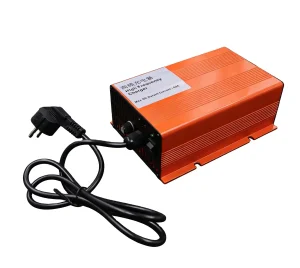
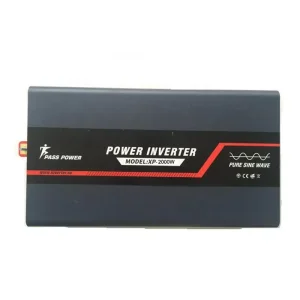
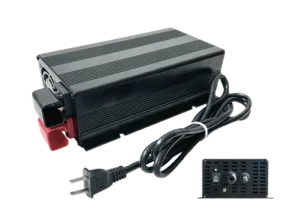
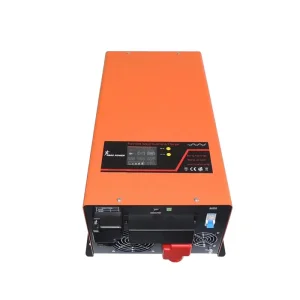
Explore our complete inventory of high-efficiency battery chargers, rack-mounted power units, and solar hybrid inverters.
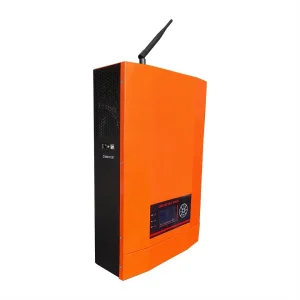
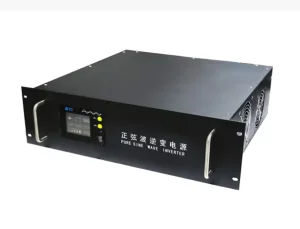
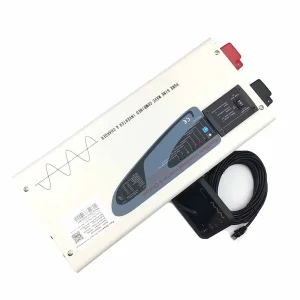
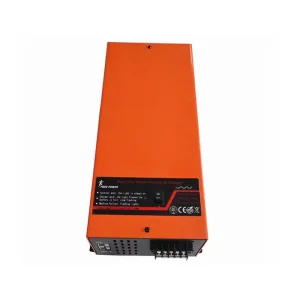
Looking for custom battery charging voltage configurations, private label manufacturing, or direct factory B2B wholesale pricing? Connect directly with our engineering sales specialists in Suzhou.