


High-efficiency, CE-certified power conversion units tailored for heavy inductive starting loads, commercial agricultural off-grid sites, and residential backup applications across Auckland, Canterbury, and Southland.
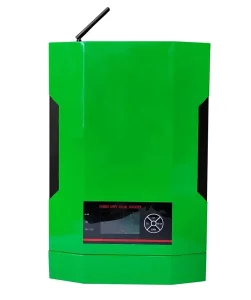
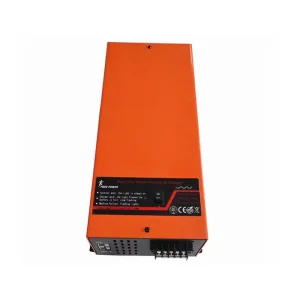
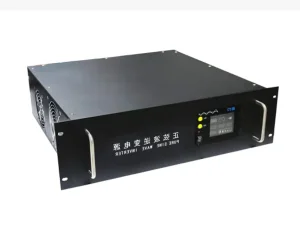
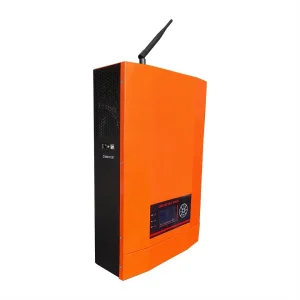
New Zealand’s commercial and industrial power sector operates under rigorous regulatory frameworks, geographical challenges, and a aggressive shift toward renewable self-reliance. Characterized by expansive rural territories, decentralized agricultural hubs, isolated eco-tourism facilities, and maritime marine logistics, the region demands power electronics capable of handling harsh, volatile environmental conditions.
While high-frequency inverters have gained traction in consumer-grade electronics due to their lightweight and compact footprint, the unique operational demands of New Zealand's core industries—specifically dairy sheds in the Waikato, vineyard irrigation in Marlborough, and off-grid forestry operations in the Bay of Plenty—expose the vulnerabilities of high-frequency switches. High inductive loads, heavy motor startup spikes, and intermittent grid connections necessitate the deployment of heavy-duty, copper transformer-based Low Frequency Pure Sine Wave Inverters.
Furthermore, New Zealand's electrical grid compliance, overseen by the Electricity Authority and governed by standard AS/NZS 4777.2 alongside RCM (Regulatory Compliance Mark) guidelines, imposes stringent power quality requirements. Importers, system integrators, and electrical engineering procurement officers must specify inverters that exhibit negligible Total Harmonic Distortion (THD < 3%), extreme thermal stability under sustained heavy loads, and seamlessly integrated Maximum Power Point Tracking (MPPT) charge controllers.
Heavy inductive loads from vacuum pumps, milk chillers, and automated feeding systems require up to 300% surge capacity for 20 seconds—a threshold natively handled by heavy toroidal low-frequency transformers.
Remote South Island lodges require uninterrupted 230V clean pure sine wave power. Solar MPPT hybrid integration ensures optimal yield during variable maritime climate conditions.
Galvanic isolation provided by low-frequency transformers protects sensitive vessel electronics and prevents hull corrosion in saltwater marine environments across Northland and Marlborough.
Globally, the renewable energy sector is transitioning from basic power generation to sophisticated energy management and resilience engineering. Global engineering, procurement, and construction (EPC) contractors are increasingly specifying Hybrid Solar MPPT Inverters equipped with multi-stage battery charging algorithms compatible with Advanced Lithium Iron Phosphate (LiFePO4) chemistry and legacy Lead-Acid/AGM reserves.
| Performance Vector | Low Frequency (Toroidal Transformer) | High Frequency (Switching MOSFETs) |
|---|---|---|
| Surge Handling Ability | Exceptional (300% for 20s) | Moderate (150-200% for <1s) |
| Inductive Load Compatibility | Heavy Duty Motors, Compressors, Pumps | Resistive & Light Electronics Loads |
| Galvanic Isolation | Physical Isolation via Magnetic Core | Electronic / Non-Isolated Circuitry |
| Thermal Endurance & Dissipation | High Thermal Mass, Rugged In Field | Sensitive to Extreme Heat & Voltage Spikes |
| Primary Application Space | Industrial, Commercial, Marine, Off-Grid Solar | Laptops, Small Appliances, Portable Power |
The reliability of an off-grid inverter is rooted in the precision of its manufacturing process. Situated in the technological hub of Suzhou, Jiangsu Province, our ISO 9001:2015 certified production complex leverages advanced Industry 4.0 smart factory protocols to manufacture pure sine wave inverters, smart battery chargers, and solar controllers that consistently meet strict global standards.
Surface Mount Technology (SMT) with 3D Automated Optical Inspection (AOI) prevents cold solder joints, short circuits, and micro-cracks, ensuring high vibration tolerance for mobile vehicle applications.
Automated toroidal transformer winding guarantees low magnetic leakage, minimal core loss, and high operational efficiency (>95%), essential for off-grid power conservation.
Every unit undergoes strict environmental chamber aging and continuous full-load burn-in testing to verify thermal performance, overload protection, and short-circuit response before dispatch.
We provide comprehensive original equipment manufacturing (OEM) and design (ODM) capabilities tailored to regional brand requirements:
Our power conversion systems are deployed across diverse microclimates and industrial operational environments throughout New Zealand’s North and South Islands:
Deep-well water pumps and center-pivot irrigation systems demand massive initial energy surges. Our 15kVA 3-Phase Low Frequency Off-Grid systems deliver stable power without causing voltage drops across localized generator networks.
Mussel farming barges and charter yachts require robust DC-to-AC conversion. Equipped with intelligent dual battery isolators and anti-corrosive coated circuit boards, Maili inverters maintain onboard refrigeration and navigation systems reliably.
High-end off-grid hospitality operations require completely silent night-time operation. Our hybrid solar MPPT inverters prioritize battery and solar input during peak hours while offering soft-start capabilities for induction cooktops and heat pumps.
Mobile service vehicles, utility repair trucks, and emergency medical units utilize our 1000W-3000W ultra-thin pure sine wave inverter chargers to run sensitive diagnostic machinery and power tools directly from vehicle alternators.
Explore our full export series including multi-stage smart battery chargers, dual battery isolators, high-voltage pure sine wave inverters, and wind hybrid converters available for New Zealand wholesale.
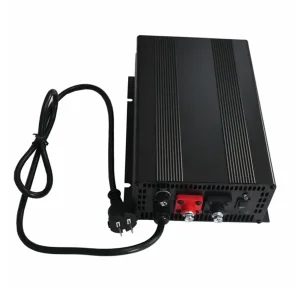
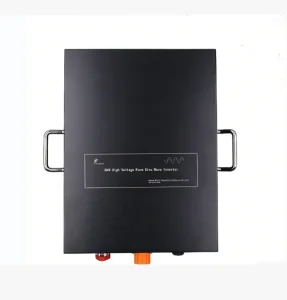
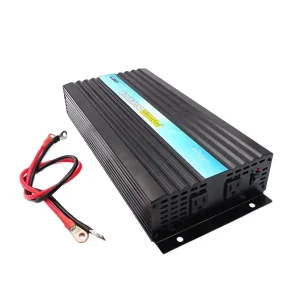
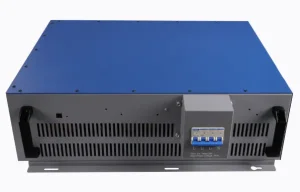
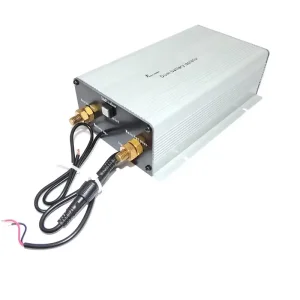
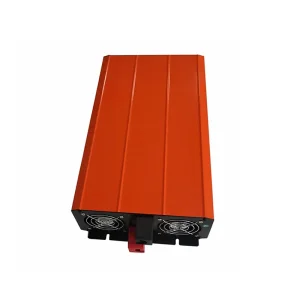
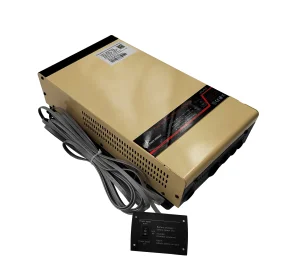
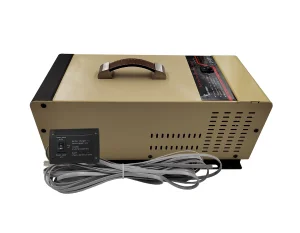
Accelerate your renewable power business in New Zealand with factory-direct supply, Industry 4.0 quality assurance, and dedicated OEM support.
Send Inquiry Now