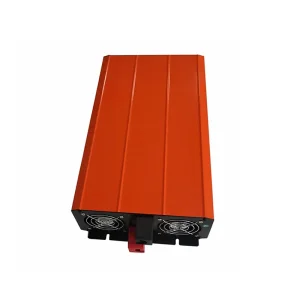
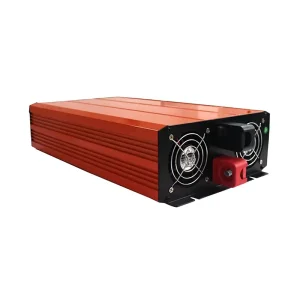
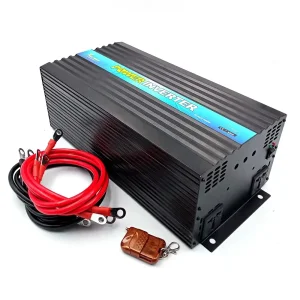
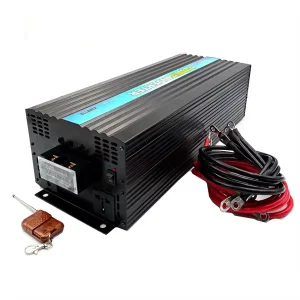
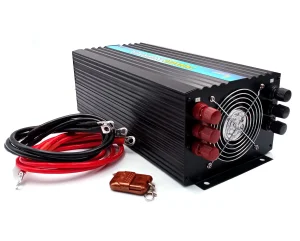
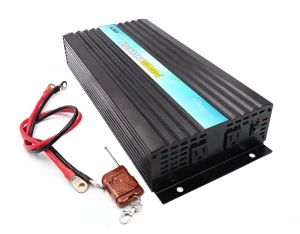
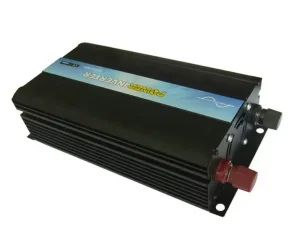
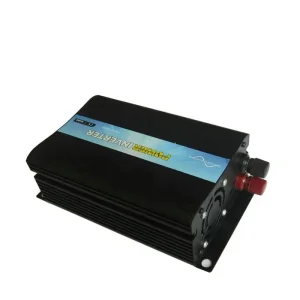
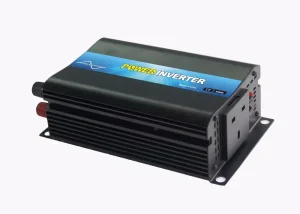
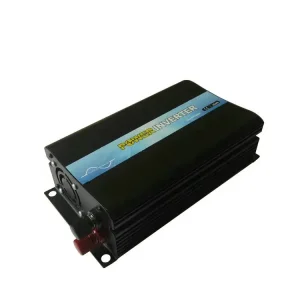
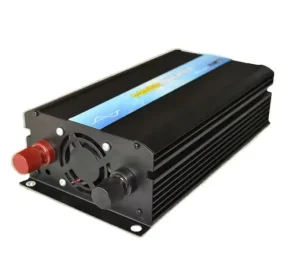
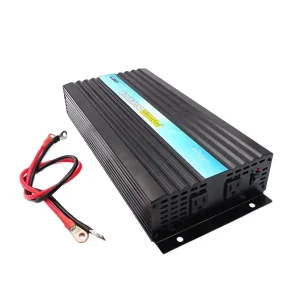
Precision-engineered DC-to-AC pure sine wave power converters customized for Dutch wind integration, solar microgrids, and maritime installations across Rotterdam, Amsterdam, and Utrecht.
The Netherlands is currently undergoing one of the most rapid energy transitions in Western Europe. Driven by strict national climate goals aimed at reducing greenhouse gas emissions by 55% by 2030, solar photovoltaic (PV) density per capita in the Netherlands has achieved top rankings across the European Union. However, this decentralized generation explosion—combined with the massive growth of electric vehicle (EV) charging stations and greenhouse electrification—has introduced a critical structural challenge: Grid Congestion ("Netcongestie").
Regional Transmission System Operators (TSOs) and Distribution System Operators (DSOs) such as TenneT, Stedin, Liander, and Enexis are increasingly capping grid feedback and delaying new commercial utility connections. Consequently, Dutch commercial enterprises, agricultural operators in the Westland region, and residential energy consumers are rapidly pivoting toward decentralized off-grid and hybrid energy architectures. High-frequency pure sine wave power inverters ranging from 300W to 8000W have emerged as the foundational technology bridging DC power sources (lithium battery banks, rooftop PV arrays, small wind turbines) with AC loads.
As a dedicated high-frequency power inverter manufacturer and OEM supplier, our factory delivers high-density, lightweight, and digitally regulated DC-AC power converters designed specifically for the Dutch operational environment. Whether mitigating peak-shaving costs for logistics centers in Rotterdam or powering remote monitoring gear on offshore platforms, our high-frequency inverter series provides the reliability, transient response, and electrical isolation required by Dutch system integrators.
Understanding the engineering evolution from heavy low-frequency transformers to high-speed switching silicon carbide (SiC) and planar transformer topologies.
Traditional low-frequency inverters rely on massive iron-core toroidal transformers operating at 50Hz/60Hz grid frequencies. While robust, they present severe penalties in physical footprint, weight, and idle power consumption (tare loss). In contrast, our High-Frequency Pure Sine Wave Inverters (300W-8000W) utilize pulse-width modulation (PWM) switching at frequencies between 20kHz and 100kHz through advanced MOSFET/IGBT stages before stepping up voltage via high-density ferrite core transformers.
Our technology roadmap incorporates Silicon Carbide (SiC) power MOSFETs and Gallium Nitride (GaN) switching components into high-power units (3000W to 8000W). By significantly minimizing switching losses and thermal dissipation, our high-frequency inverters achieve continuous full-load operating efficiencies of >95% under 230V AC output at 50Hz.
| Power Range | Input DC Voltage | Output AC Voltage | Efficiency | THD | Target Dutch Application |
|---|---|---|---|---|---|
| 300W - 800W | 12V / 24V DC | 230V AC ±3% (50Hz) | > 92% | < 3% | Precision agricultural sensors, telecommunications, camper vans |
| 1000W - 2000W | 12V / 24V / 48V DC | 230V AC ±2% (50Hz) | > 94% | < 2.5% | Service vehicles, canal boats, residential backup power, wind telemetry |
| 3000W - 5000W | 24V / 48V DC | 230V AC ±2% (50Hz) | > 95.5% | < 2.0% | Commercial microgrids, off-grid greenhouses, water pumping stations |
| 6000W - 8000W | 48V / 96V DC | 230V / 400V Split/3-Phase | > 96.5% | < 2.0% | Industrial workshop machinery, peak-shaving systems, heavy marine power |
Tailored engineering solutions for specific commercial, industrial, and municipal sectors within the Netherlands.
From the bustling Port of Rotterdam to the zero-emission municipal waterways of Amsterdam, marine transport in the Netherlands demands robust DC-AC inversion. Our 12V/24V/48V high-frequency inverters (1000W to 5000W) feature conformal PCB coatings to withstand high-humidity, saline environments. They provide pure sine wave power for navigation radar, pumps, gal-ley appliances, and onboard living systems.
Dutch greenhouse horticulture relies heavily on automated climate control, LED supplemental lighting, and motorized water recirculation pumps. When grid congestion throttles capacity, localized solar-plus-storage microgrids equipped with our 4000W to 8000W high-frequency pure sine wave converters step in to ensure uninterrupted zero-flicker power to sensitive PLC automation controllers.
Off the North Sea coast, giant wind farms require steady auxiliary AC power during installation, maintenance, or low-wind idling phases. Our wind-customized high-frequency inverters (1.5kW to 3kW) process DC power directly from auxiliary storage or variable DC buses to power pitch control electronics, warning lights, and diagnostic telemetry systems reliably.
Importing power electronics into the Netherlands requires strict adherence to European Union directives and Dutch national electrical codes. Our production lines maintain rigorous compliance verification.
All electrical installations in Dutch residential and commercial buildings must comply with NEN 1010 standards. Our high-frequency inverters are engineered with complete galvanic isolation between DC input and AC output circuits. This prevents DC leakage current into the AC distribution board, enabling seamless integration with Type A and Type B Residual Current Devices (RCDs/GFCI).
High-frequency switching can generate unwanted electromagnetic interference if not properly filtered. Our inverters incorporate active LC filters, toroidal common-mode chokes, and heavy-gauge aluminum shielding. Certified under EN 61000-6-1 and EN 61000-6-3, they guarantee zero interference with Dutch smart meters, mobile telecommunication networks, or sensitive medical equipment.
Unlocking cost competitiveness, rigorous quality control, and scalable production capacity for European distributors and B2B brand owners.
Our Suzhou manufacturing facility utilizes high-speed Yamaha and Panasonic SMT placement lines. Component insertion accuracy of ±0.01mm ensures zero defective solder joints across complex driver board topologies.
Every single inverter leaving our factory undergoes an intensive 8-hour thermal chamber burn-in test at 45°C under continuous 100% rated load, followed by 120% dynamic load step testing to guarantee field reliability.
We offer Dutch B2B partners deep engineering customization: personalized LCD interface branding, customized DC terminal configurations, RS485/CAN bus Modbus protocols for LiFePO4 BMS communication, and custom euro-socket cutouts.
Addressing essential technical, logistical, and compliance questions for Dutch importers, installers, and system integrators.
Explore our complete catalog of pure sine wave power inverters available for wholesale distribution, OEM private labeling, and direct B2B supply into the Netherlands and greater EU market.
Get direct factory pricing, technical whitepapers, CE/RoHS test reports, and customized OEM quotations tailored specifically for the Netherlands and European markets.
Send Inquiry Now