


Premium OEM/ODM power solutions optimized for commercial hubs in Lagos, Abuja, Kano, and Port Harcourt. Engineered with high-frequency switching technology and ultra-fast transfer relay switches.
Analyzing grid deficits, thermal operating tolerances, cost savings over heavy diesel generation, and the technological pivot toward High Frequency PWM Switching Architectures.
Nigeria's industrial and commercial infrastructure faces unprecedented energy challenges. With national grid generation hovering around 4,000MW to 5,000MW for a population exceeding 200 million, commercial enterprises in Lagos, Ibadan, Kano, and Port Harcourt experience daily power outages lasting anywhere from 8 to 18 hours. Historically, businesses relied on heavy 15kVA–100kVA diesel generators. However, with diesel prices soaring and environmental regulations tightening under NERC (Nigerian Electricity Regulatory Commission) directives, high-frequency pure sine wave inverters have emerged as the primary alternative.
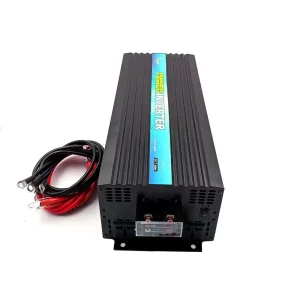
High Frequency (HF) inverters utilize advanced high-frequency pulse-width modulation (PWM) and MOSFET/IGBT topologies operating between 20kHz and 100kHz. Unlike legacy Low Frequency (LF) units that rely on bulky, heavy iron-core toroidal transformers, HF inverters replace massive iron cores with small ferrite transformers. This yields an incredible reduction in equipment weight (up to 70% lighter), superior energy conversion efficiency (up to 95-97%), lower idle power consumption, and zero hum noise—making them the gold standard for office environments, telecom shelters, micro-SME facilities, and modern residential estates.
Understanding how high-frequency power electronics solve specific energy hurdles across Nigerian commercial and industrial applications.
| Technical Characteristic | High Frequency (HF) Inverters | Low Frequency (LF) Inverters | Impact on Nigerian B2B End-Users |
|---|---|---|---|
| Transformer Topology | Compact Ferrite Core (High Frequency) | Heavy Iron/Copper Toroidal Transformer | HF units reduce freight logistics costs to Apapa Port by up to 45%. |
| Conversion Efficiency | 93% – 97% (Ultra-Low Energy Losses) | 82% – 88% (Heat losses in iron core) | HF maximizes battery bank autonomy during long 12-hour grid outages. |
| No-Load / Idle Loss | Extremely Low (< 15 Watts) | High Idle Draw (50W – 150W continuous) | HF prevents premature overnight battery drain in solar applications. |
| Physical Weight & Size | Lightweight (e.g., 5kW = 8-12 kg) | Heavy & Bulky (e.g., 5kW = 35-50 kg) | HF allows wall-mounted rack integration for space-constrained offices. |
| Voltage Regulation Speed | Microsecond DSP Digital Feedback Control | Analog Magnetic Saturation Control | HF instantly stabilizes sudden surge voltages from unstable DisCo feeds. |
Combining world-class SMT automation, robust power component procurement, and tailored customization for West African climate conditions.
Our Suzhou manufacturing center utilizes Texas Instruments DSP chips, providing precise pure sine wave output with Total Harmonic Distortion (THD) under 2.5%, safely powering sensitive medical imaging, server banks, and microprocessors.
West Africa experiences high humidity and dust levels during Harmattan season. All internal PCBA boards undergo triple-proof conformal coating against salt-spray corrosion, dust accumulation, and insect intrusion.
Specifically engineered for wide DC voltage ranges (12V, 24V, 48V, up to high-voltage DC 380V) and ultra-wide AC input regulation (90V–280V) to withstand erratic grid power without constantly switching to battery mode.
We provide customized housing colors, LCD display branding, custom socket options (UK 3-pin standard for Nigeria), and personalized packaging for African distributors.
Deploying reliable, scalable high-frequency power electronics across telecom, financial services, healthcare, and commercial real estate.
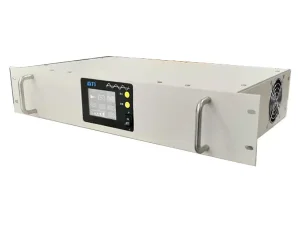
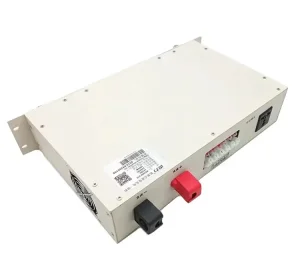
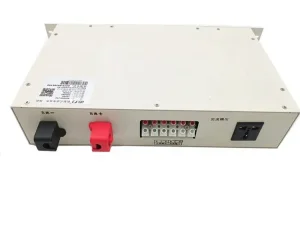
Telecom giants in Nigeria (MTN, Airtel, Globacom, 9mobile) operate tens of thousands of base transceiver stations (BTS). High frequency rack-mounted 48VDC to 230VAC pure sine wave inverters are seamlessly integrated into 19-inch outdoor server racks alongside Lithium Iron Phosphate (LiFePO4) battery packs.
Commercial banks require 100% power availability for core banking servers and off-site ATM kiosks. High frequency 3kW to 6kW inverters provide high power density, preventing hardware corruption caused by sudden utility blackouts.
Maintaining the cold chain for vaccines and biological samples requires continuous refrigeration. Our high frequency hybrid solar inverters combine solar panels, grid feeds, and battery storage to ensure 24/7 refrigeration without human intervention.
Luxury residential gated estates and office complexes utilize multi-kilowatt high-frequency off-grid hybrid inverters to bypass high DisCo tariffs and diesel costs, powering lighting, air conditioning, LED televisions, and kitchen appliances seamlessly.
Navigating SONCAP certification, Form M approval, Customs Tariffs (HS Code 8504.40), and sea freight logistics to Apapa and Tincan Island ports.
All electronic power inverters imported into Nigeria must meet SONCAP regulatory guidelines. Suzhou Maili provides full Product Certificates (PC) and Certificate of Conformity (CoC), tested to IEC/EN 62040 and CE standards, guaranteeing hassle-free customs clearance.
Our international trade desk assists Nigerian corporate importers with proforma invoices compliant with CBN (Central Bank of Nigeria) guidelines, enabling smooth Form M creation, BA numbers, and LC payment processing.
Units are shipped in reinforced 7-ply export cartons with high-density EVA foam protection. Palletized container loading ensures zero structural damage during transshipment across Atlantic sea routes.
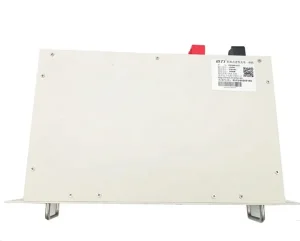
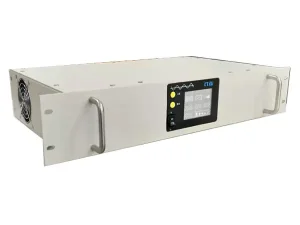
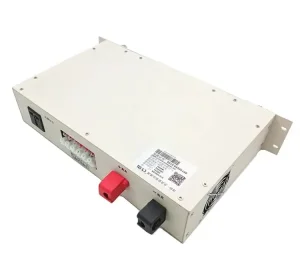
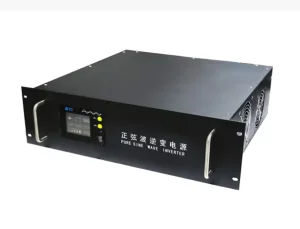
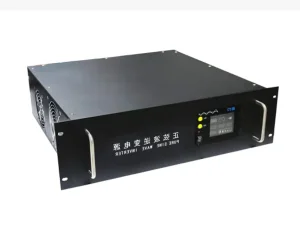
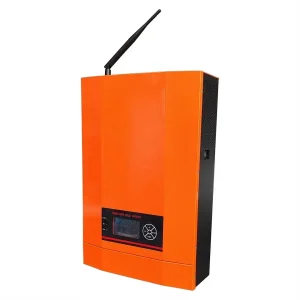
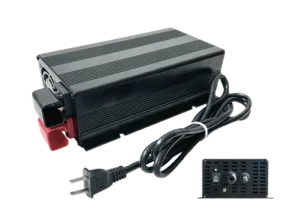
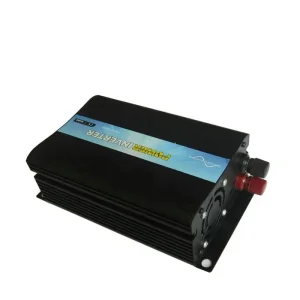
Explore our full range of high-efficiency rack-mounted inverters, hybrid MPPT solar controllers, and intelligent smart chargers engineered by Suzhou Maili.
Expert insights regarding high-frequency inverter deployment, grid synchronization, ambient heat protection, and B2B ordering from China.
High Frequency (HF) inverters provide significantly higher energy conversion efficiency (up to 97%), reducing wasted power during conversion from battery banks. Because they use compact ferrite cores instead of heavy iron transformers, HF units are much lighter and less expensive to ship via sea or air freight to Nigeria. Furthermore, HF inverters offer lower idle power consumption, preserving battery state-of-charge during extended grid outages.
Our high-frequency inverters feature intelligent multi-stage thermal management. High-speed brushless cooling fans automatically adjust their RPM based on internal heatsink temperatures. Components such as MOSFETs, capacitors, and transformers are rated for 105°C continuous operation, ensuring sustained power delivery without thermal derating in hot climates like Kano, Maiduguri, or Sokoto.
Yes. All current generation Maili high-frequency charging inverters feature customizable charging profiles for Lithium Iron Phosphate (LiFePO4), AGM, GEL, and Flooded lead-acid batteries. The RS485/CANbus communications port connects directly to battery management systems (BMS) to regulate charging currents and prevent overcharging or cell imbalance.
Standard OEM production lead time at our ISO 9001 factory is 15 to 25 days depending on batch quantity. Transit time for FCL (Full Container Load) or LCL (Less than Container Load) sea freight from Shanghai/Ningbo ports to Lagos (Apapa/Tincan) typically ranges from 30 to 40 days. Air freight options are available for urgent sample orders (5-7 days delivery).
Absolutely. Built-in AC transfer relays allow the inverter to accept input power from both utility DisCo lines and portable or industrial diesel generators. The wide AC input voltage tolerance accepts dirty generator power (fluctuating voltage and frequency) while converting it into clean pure sine wave power for household and office appliances.
Empower your Nigerian distribution network with factory-direct pricing, custom OEM branding, full SONCAP documentation, and world-class power engineering support.
