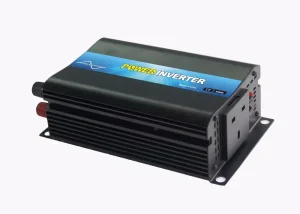
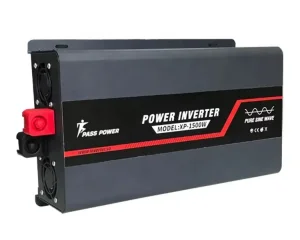
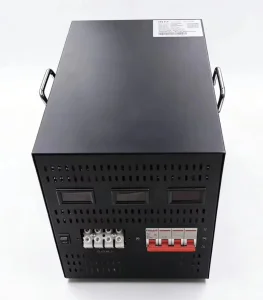
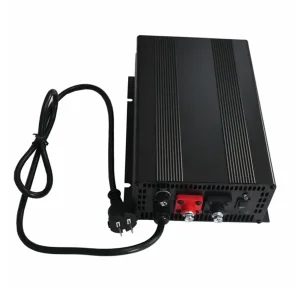
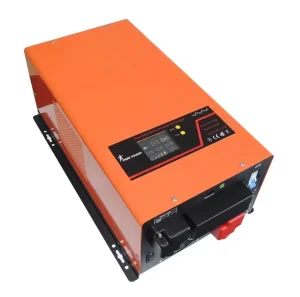
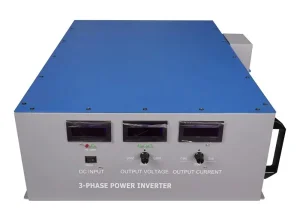
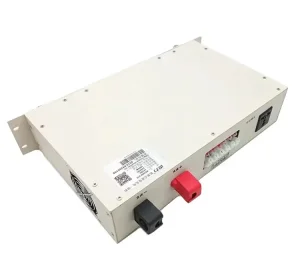
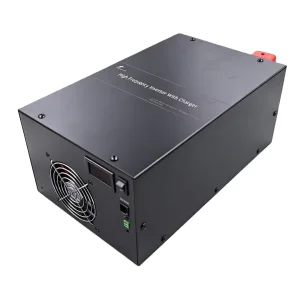
High-surge low frequency units, smart off-grid converters, and precision battery charging hardware optimized for Costa Rican B2B deployment.
Costa Rica stands as a global beacon of renewable energy generation, boasting an electrical matrix where over 98% of annual electricity originates from hydro, geothermal, wind, and biomass sources operated by the Instituto Costarricense de Electricidad (ICE) and regional cooperatives like CONELECTRICAS. However, this impressive green profile masks severe operational vulnerabilities for commercial, eco-tourism, and agricultural enterprises across the national territory.
The nation’s reliance on hydroelectricity exposes the grid to acute seasonal fluctuations. During the dry season (*Verano*, extending from December to April), exacerbated by recurrent *El Niño* climate patterns, reservoir levels in regions such as Lake Arenal drop significantly. This forces ICE to dispatch costly thermal back-up generation or implement controlled load shedding and voltage throttling across rural distribution networks.
Furthermore, Costa Rica’s geography—characterized by dense mountainous terrain, tropical rainforests, and expansive coastal zones—creates extreme transmission bottlenecks. Industrial parks in the Central Valley (Alajuela, Heredia, San José) frequently face transient voltage sags and harmonic distortion, while coastal eco-resorts in Guanacaste, Puntarenas, and the Osa Peninsula suffer from frequent utility blackouts lasting anywhere from several minutes to multiple days.
Commercial operations face severe voltage instability. High-capacity low frequency inverters act as robust power buffer barriers, isolating critical loads from grid surges and under-voltage events common in peripheral ICE lines.
Luxury eco-lodges operating off-grid in Osa or Papagayo require absolute silence, 100% pure sine wave power quality, and the ability to start heavy HVAC compressor motors without triggering system shutdowns.
Pineapple, coffee, and seafood exporters in Tarrazú and Limón require uninterrupted three-phase and split-phase power for processing equipment, refrigeration pumps, and automated sorting infrastructure.
When engineering solar power systems, uninterrupted power supplies (UPS), and industrial backup systems for Costa Rican procurement, choosing between Low Frequency (LF) and High Frequency (HF) topologies dictates long-term equipment survival.
| Performance Dimension | Low Frequency (Toroidal Transformer) | High Frequency (Switch-Mode / MOSFET) |
|---|---|---|
| Surge Handling Capacity | 300% peak rating for 10-30 seconds. Exceptional electromagnetic inertia allows easy starting of inductive motors. | 150%-200% peak rating for <100 milliseconds. Prone to immediate overload tripping under heavy motor startup. |
| Galvanic Isolation | Full metallic isolation via heavy copper toroidal winding. Completely protects DC battery banks from AC side grid spikes. | Electronic isolation only. Grid surges can bypass high-frequency switching circuits and damage delicate battery banks. |
| Tropical Environmental Tolerance | High thermal mass dissipates heat effectively. Superior tolerance to 95%+ relative humidity and ambient temperatures exceeding 40°C. | Compact heat sinks require high-velocity airflow. Vulnerable to tropical humidity condensation and dust accumulation. |
| Component Life Expectancy | 12 to 15+ Years. Heavy-duty iron core transformers endure extreme electrical stress without degradation. | 5 to 7 Years. High-frequency switching capacitors experience thermal stress under continuous industrial loads. |
| Weight & Physical Footprint | Heavier footprint due to solid copper/iron transformer core. Requires solid floor or heavy rack mounting. | Lightweight and compact. Highly suitable for portable electronics, light mobile vans, and low-power applications. |
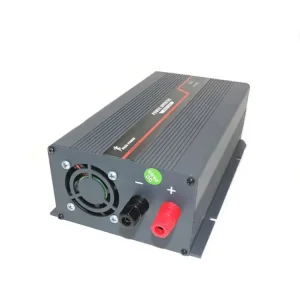
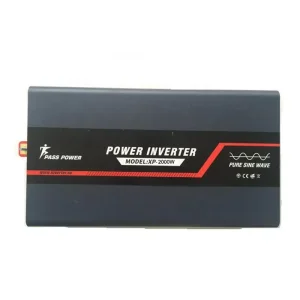
Low frequency inverters engineered by specialized suppliers feature heavy copper-wound toroidal transformers. Unlike high-frequency units that rely on delicate electronic switching circuits to boost low-voltage DC to high-voltage DC before converting to AC, low frequency inverters convert DC directly to AC at low voltage, then step it up using a massive magnetic transformer.
This copper transformer acts as a massive physical buffer against electrical noise, lightning-induced grid spikes (frequent during Costa Rica's rainy season from May to November), and back-EMF generated by heavy inductive machinery such as water pumps, air conditioners, air compressors, and refrigeration units.
Globally, commercial energy storage systems (C&I ESS) are transitioning rapidly toward integrated hybrid architectures featuring high-voltage DC architectures. However, the localized reality of Costa Rica’s distributed energy resource (DER) regulations and field conditions necessitates tailored engineering solutions.
Standard global European inverters output single-phase 230V at 50Hz. Costa Rica operates on a 60Hz system using North American 120V/240V split-phase standard wiring. Our factory-direct low frequency inverters feature dual AC output windings, delivering clean 120V L-N and 240V L-L power directly to local breaker panels without transformer adapters.
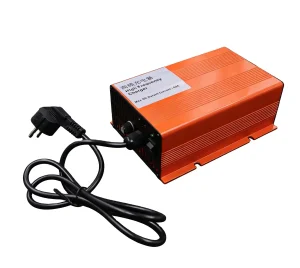
While lithium iron phosphate (LiFePO4) adoption is accelerating across Costa Rica, heavy lead-acid (AGM/GEL) deep-cycle banks remain widely deployed due to historical cost dynamics. Our smart low frequency inverter chargers incorporate 3-stage programmable charging curves with temperature compensation probes, preventing thermal runaway in tropical ambient temperatures.
In off-grid hospitality projects across Nosara or Santa Teresa, solar arrays paired with diesel/gasoline backup generators form the core energy backbone. Our low frequency inverters incorporate dry-contact generator start triggers and wide AC input voltage acceptance ranges (85V-135V), cleanly locking onto dirty generator power during extended storm events.
Sourcing industrial power hardware from international manufacturing hubs into Costa Rica requires rigorous compliance alignment. Importers, EPC contractors, and government tenders must verify that factory partners adhere strictly to international manufacturing standards while honoring local installation practices enforced by ARESEP (Autoridad Reguladora de los Servicios Públicos) and local municipal inspectors.
Every inverter unit undergoes multi-stage automated optical inspection (AOI), high-voltage dielectric isolation testing, and mandatory 100% full-load thermal burn-in under elevated ambient conditions for 24 hours prior to export packaging.
Our product ranges carry certified CE, RoHS, and CB test reports, meeting low-voltage directive (LVD) standards and electromagnetic compatibility (EMC) regulations matching IEC 62109-1/-2 industrial safety standards.
To withstand Costa Rica’s aggressive humidity (often exceeding 90% RH) and coastal air salinity, all internal printed circuit boards (PCBs) receive military-grade polyurethane conformal coating to prevent short circuits and corrosion.
Our engineered low frequency pure sine wave inverters are custom-configured to deliver high-reliability power across Costa Rica’s distinct economic sectors:
Eco-lodges located off the central utility grid require silent, zero-emission electricity that preserves the pristine natural environment. Low frequency hybrid inverter systems connected to solar PV banks supply clean split-phase power for guest villa air conditioning, commercial refrigeration, water desalination pumps, and lighting without the continuous noise and diesel smell of legacy generators.
Coffee processing (*beneficios*) and fresh produce packing facilities require uninterrupted operational security during harvest months. High surge capacities enable low frequency inverters to handle severe startup spikes from heavy conveyor belt motors, sorting line blowers, and industrial cold-storage compressors during utility outages.
Cell towers, weather monitoring stations, and indigenous community microgrids in remote regions like Talamanca demand ultra-reliable industrial hardware. Featuring heavy magnetic shielding, automated remote monitoring via RS485/CAN interfaces, and minimal maintenance overhead, low frequency inverters ensure continuous uptime in isolated locations.
Commercial fishing vessels operating out of Pacific and Caribbean ports require heavy-duty DC-to-AC conversion to power onboard ice-making machines, navigational radar equipment, and deep-sea winches. Marine-grade low frequency inverters with drip-proof enclosures resist marine vibration and saline air degradation.
As energy markets evolve, power conversion hardware is undergoing significant technological advancement. Our R&D engineers are actively implementing next-generation power electronics innovations into our low frequency manufacturing lines:
Traditional silicon steel transformer cores exhibit no-load self-consumption (idle draw). Next-generation low frequency inverters utilize nanocrystalline core alloys, reducing tare losses by up to 45% while preserving extreme physical surge handling—making LF inverters far more efficient during prolonged low-standby night cycles.
By replacing standard silicon IGBTs with Silicon Carbide (SiC) power switches in our low frequency inverter primary inversion stages, operating conversion efficiency rises to over 96%. SiC switches reduce internal switching heat generation, allowing smaller heat sinks and longer component service life in tropical ambient conditions.
Modern low frequency inverters feature integrated IoT communications protocols (MQTT, Modbus RTU, 4G LTE-M). Embedded microcontrollers leverage predictive analytics to dynamically manage battery charge/discharge cycles based on weather forecasts, historical load patterns, and real-time ICE grid availability.
Detailed technical responses for electrical engineers, system integrators, and B2B buyers sourcing power inverters for Costa Rica.
Explore our full line of OEM-certified pure sine wave power solutions built for heavy commercial, solar, and industrial operations.
Connect directly with our engineering team to receive wholesale pricing catalogs, custom OEM project assessments, sample ordering, and complete technical specifications tailored for Costa Rica.