


Engineered for high-surge inductive loads, industrial automation, and commercial solar backhaul across Jabodetabek
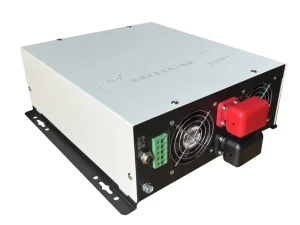
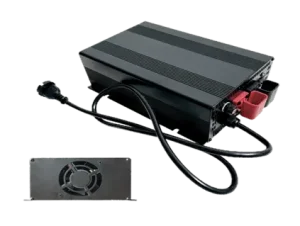
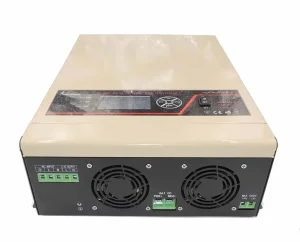
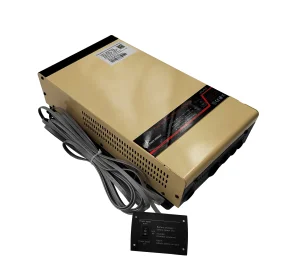
Navigating grid instability, tropical coastal operating conditions, and dual-voltage equipment demands in Southeast Asia’s economic powerhouse
As the primary economic engine of Indonesia, the Special Capital Region of Jakarta (DKI Jakarta) and its surrounding industrial corridors—including Cikarang, Karawang, Tangerang, and Bekasi (Jabodetabek)—represent one of Asia's highest concentrations of manufacturing, logistics, and data infrastructure. However, operating heavy machinery, automated production lines, cold-chain refrigeration, and imported commercial equipment within this region poses unique power electrical engineering challenges.
The local electrical grid managed by Perusahaan Listrik Negara (PLN) operates primarily on a single-phase 220V 50Hz or three-phase 380V system. Yet, an overwhelming volume of industrial machinery, specialized medical equipment, telecommunications backhaul hardware, and imported commercial kitchen or processing lines designed for North American, Taiwanese, or Japanese standards require dual-line 120V/240V split-phase power topologies. Integrating these legacy systems or dual-voltage equipment directly into PLN mains without localized transformation or high-grade inversion frequently leads to line noise, phase imbalance, and catastrophic equipment downtime.
Industrial parks in Cikarang and Karawang experience periodic sags, high THD (Total Harmonic Distortion), and severe lightning-induced voltage spikes during monsoon seasons. Pure sine wave split-phase inverters act as a robust galvanic barrier, synthesizing clean power independent of grid noise.
Split-phase topologies generate two 120V AC lines 180 degrees out of phase, creating a central neutral tap. This allows commercial operators in Jakarta to seamlessly power both 120V control circuitry and 240V high-draw motors simultaneously without step-down autotransformers.
Jakarta’s coastal equatorial climate subjects power electronics to high relative humidity (exceeding 85%) and ambient operational temperatures above 40°C. OEM factory-direct build standards must include conformal-coated PCBs, anti-corrosion heat sinks, and intelligent thermal management.
Furthermore, as Indonesia accelerates its transition toward renewable energy under National Energy Policy (KEN) mandates, commercial real estate developers, offshore facility operators in Kepulauan Seribu, and logistics hubs along Tanjung Priok Port are increasingly adopting hybrid microgrids. Split-phase inverters manufactured with advanced Maximum Power Point Tracking (MPPT) charge controllers and low-frequency copper toroidal transformers serve as the critical bridge, blending photovoltaic power, battery energy storage systems (BESS), and diesel generator inputs into a resilient zero-downtime AC bus.
Direct OEM manufacturing precision, ISO 9001:2015 quality control, and scalable production metrics serving Indonesian importers
Our OEM manufacturing facility operates continuous automated test benches engineered specifically for extreme surge loads. Unlike conventional high-frequency power units that struggle with heavy inductive start-up currents (such as 3-HP compressors, industrial water pumps, and CNC machinery), our heavy-duty toroidal transformer split-phase inverters deliver an unprecedented 300% surge margin for up to 20 seconds. This capability ensures complete operational integrity across marine dockyards, agricultural processing plants, and commercial telecom hubs throughout Western Java.
Comprehensive engineering analysis for technical directors, procurement officers, and system integrators in Indonesia
Choosing the correct inverter topology is paramount for ensuring long-term Reliability, Mean Time Between Failures (MTBF), and operational safety in Jakarta’s demanding electrical landscape. Our engineering team builds both Low-Frequency (LF) toroidal transformer-based split-phase inverters and High-Frequency (HF) switching platforms, allowing customized selection based on exact application profiles.
| Technical Parameter | Low-Frequency Toroidal Transformer Topology | High-Frequency MOSFET/IGBT Switching Topology |
|---|---|---|
| Core Subsystem | Heavy-gauge copper toroidal transformer with galvanic isolation | High-speed PWM switching with compact ferrite transformers |
| Surge Capacity | 300% Nominal Capacity (Up to 20 Secs) — Ideal for motors & pumps | 150% - 200% Nominal Capacity (Up to 2 Secs) |
| Galvanic Isolation | Full electrical isolation between DC battery bus & AC output lines | Non-isolated or electronic isolation (Higher vulnerability to surges) |
| Thermal Dissipation | Superior thermal inertia, designed for continuous high ambient heat | Requires rapid active fan cooling, sensitive to dust/humidity accumulation |
| Split-Phase Balance | Self-balancing neutral leg via center-tapped secondary winding | Digitally synthesized neutral via dual PWM bridges (Requires active sensing) |
| Primary Deployment in Jakarta | Manufacturing plants, cold storage, marine vessels, heavy solar BESS | Commercial IT equipment, small off-grid cabins, portable work rigs |
Jakarta’s coastal geography exposes industrial plants in North Jakarta (Ancol, Marunda, Tanjung Priok) to intense atmospheric lightning discharge and salty coastal air. High-frequency inverters lack physical transformer isolation; a severe line surge on the AC output can instantly penetrate the switching electronics and destroy the connected DC battery bank. In contrast, our Low-Frequency split-phase inverters incorporate solid copper toroidal isolation transformers. This physical barrier reflects surge energy back into suppressor circuits, safeguarding high-value LiFePO4 battery banks and sensitive industrial PLCs.
Customized power engineering implementations across strategic commercial sectors in Indonesia
Seafood export processing facilities in North Jakarta require uninterrupted refrigeration to comply with international health standards. Our 5KW to 10KW split-phase inverters seamlessly handle the multi-horsepower starting currents of industrial blast freezers, ensuring seamless zero-downtime transition during PLN grid blackouts.
Offshore island resorts off the Jakarta coast operate independent diesel-PV hybrid microgrids. Split-phase configurations allow operators to send 240V power across long distribution cables to minimize line losses, while providing balanced 120V legs for guest lodging amenities and water desalination units.
Telecommunications operators deploying edge computing infrastructure in Sudirman Central Business District (SCBD) rely on our ultra-fast transfer switch inverters (<10ms switching speed) with dual-voltage output to power server racks and environmental conditioning systems simultaneously.
Our OEM engineering department customizes DC inputs (12V/24V/48V/96V/380V), AC output split-phase legs, custom LCD interface languages, and specialized enclosure IP protection ratings for Indonesian buyers.
Request Custom Engineering SpecificationStreamlined supply chain logistics, SNI certification readiness, and international quality assurance for importers
Importing industrial electrical power electronics into Indonesia requires strict adherence to international standardizations and national regulatory frameworks set by the Ministry of Energy and Mineral Resources (ESDM) and the National Standardization Agency of Indonesia (BSN). As a premier global factory and exporter, we provide comprehensive documentation support to accelerate customs clearance and local compliance auditing.
Every split-phase inverter leaving our manufacturing facility holds full certification under CE, CB, SAA, and RoHS, backed by accredited SGS laboratory test reports. This foundation simplifies local SNI (Standar Nasional Indonesia) compliance alignment for Indonesian distributors.
We maintain streamlined export lanes directly from our factory port to Port of Tanjung Priok (Jakarta). Standard container orders (FCL/LCL) are backed by complete export documentation, including Certificate of Origin (Form E for ASEAN-China ACFTA tariff concessions), Bill of Lading, and HS-Code classification.
To combat the aggressive saltwater atmosphere around Jakarta Bay, our exporter series units receive dual anti-corrosion clear coat treatment on heavy metal chassis, stainless steel external fasteners, and IP30/IP65 ingress sealing options for harsh environments.
Pioneering smart grid synchronization, AI-driven energy management, and ultra-high-density lithium integration
As smart grid technology evolves and decentralized energy storage becomes standard in commercial building codes across Southeast Asia, our R&D roadmap is focused on three primary pillars of innovation:
Integrating machine learning microcontrollers into split-phase inverters allows the unit to learn facility consumption patterns in Jakarta, automatically scheduling battery discharge during peak tariff hours to drastically reduce PLN electricity costs.
Next-generation split-phase platforms feature auto-detecting CAN/RS485 communication protocols compatible with top-tier lithium battery BMS brands (Pylontech, BYD, CATL), allowing real-time voltage balancing and cell-level temperature monitoring.
Transitioning industrial split-phase architectures to high-voltage DC bus inputs (up to 380V DC) significantly reduces copper cable cross-section requirements, minimizing cabling cost and power transmission losses in large-scale solar installations.
Addressing key technical, procurement, and deployment questions regarding split-phase inverters in Indonesia
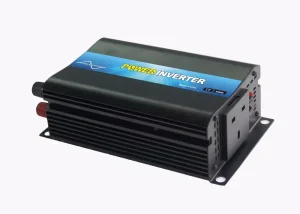
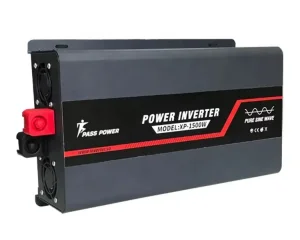
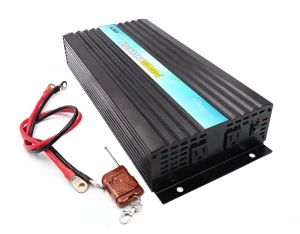
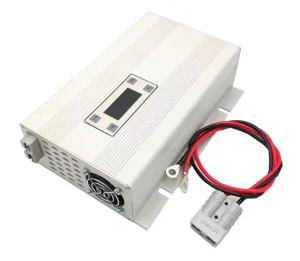
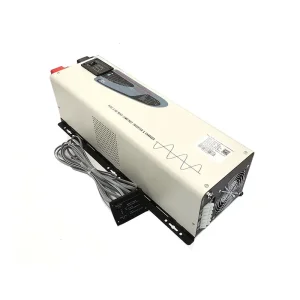
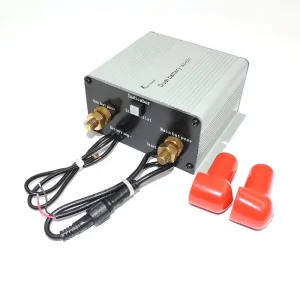
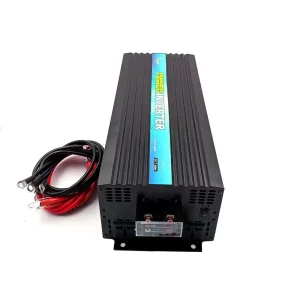
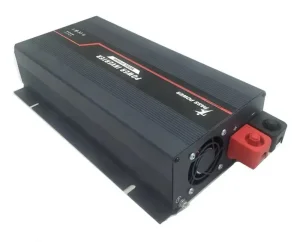
Explore our full line of high-frequency, low-frequency, hybrid solar, and smart charging solutions for global export
Factory-direct wholesale pricing, localized engineering support, and reliable export logistics for Indonesian energy projects
Whether you are an EPC contractor bidding on industrial solar projects in Jabodetabek, an equipment importer requiring split-phase power converters, or a commercial distributor expanding your brand in Southeast Asia, our team is ready to deliver tailored solutions.
Send Inquiry Now