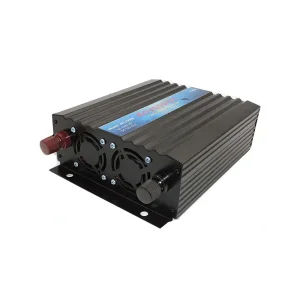
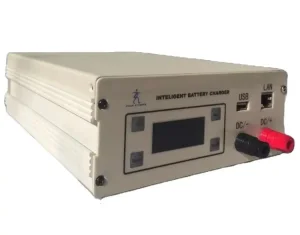
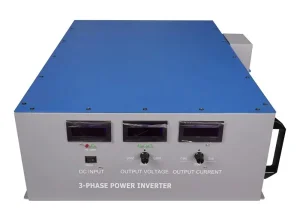
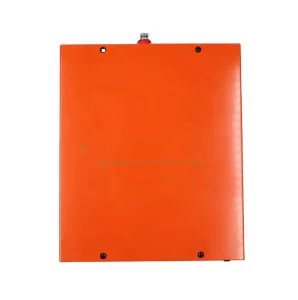
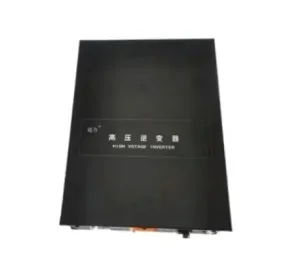
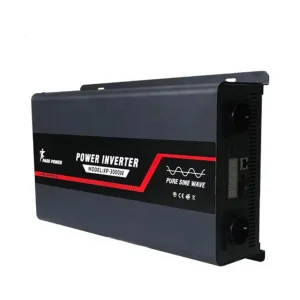
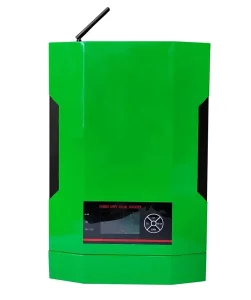
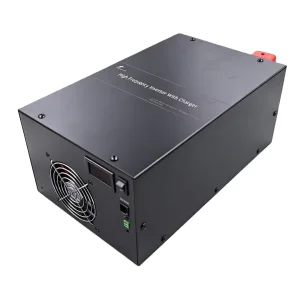
Engineered for high solar irradiance environments in Alentejo, Algarve, and Lisbon. Fully compliant with European CE, RoHS, and EN 50549-1 grid standards.
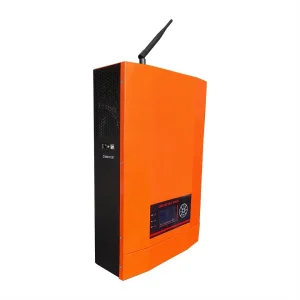
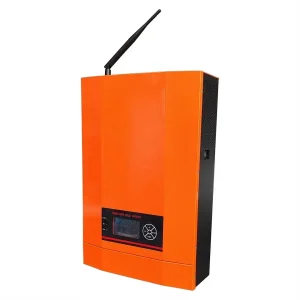
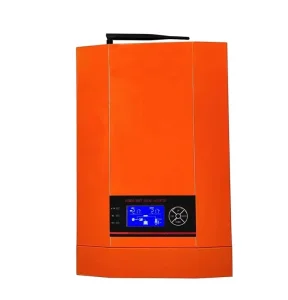
Analyzing the structural expansion of solar PV infrastructure under PNEC 2030, grid constraints, and direct B2B sourcing imperatives for European distributors.
Portugal stands at the absolute epicenter of Southern Europe’s clean energy transition. Guided by the Plano Nacional de Energia e Clima (PNEC 2030), the Portuguese government has committed to generating over 80% of its total electricity from renewable sources by 2030, with solar photovoltaic (PV) capacity targeted to exceed 20.4 GW. Benefiting from some of the highest global horizontal irradiation (GHI) rates in Continental Europe—ranging between 1,600 kWh/m²/year in Northern regions such as Porto to over 2,200 kWh/m²/year in Alentejo and the Algarve—Portugal presents an unprecedented commercial runway for solar energy deployments.
In response to volatile European wholesale electricity prices and favorable regulatory updates regarding Unidades de Produção para Autoconsumo (UPAC), Portuguese residential and commercial property owners are rapidly transitioning from simple grid-tied PV systems to self-consumption hybrid configurations with integrated battery energy storage systems (BESS). Hybrid inverters that seamlessly combine high-efficiency solar MPPT controllers with bidirectional AC chargers have become the indispensable core of modern Portuguese energy management systems.
While Portugal's solar potential is immense, grid infrastructure expansion in rural agricultural zones often lags behind generation capacity. Solares and agricultural estates in rural areas face localized voltage spikes during midday generation peaks. To mitigate curtailment risks, European EPCs (Engineering, Procurement, and Construction contractors) require wholesale solar inverter factories to supply equipment featuring high-speed digital signal processor (DSP) chips, wide DC input voltage windows, and customizable grid support algorithms capable of low-voltage ride-through (LVRT) and precise power factor adjustment.
From coastal residential villas to inland agricultural solar pumping, explore how specialized solar inverter topologies deliver high efficiency and resilience.
Designed for residential rooftops in Metropolitan Lisbon, Porto, and Coimbra. Single-phase 3.5kW to 5.5kW hybrid inverters provide complete energy independence.
Tailored for vineyards in the Douro Valley and olive groves in Alentejo requiring rugged off-grid power for water irrigation and cold storage.
Optimized for logistics centers in Setúbal and industrial parks in Aveiro seeking peak-shaving and backup capability.
Combining world-class power electronics R&D with unmatched economies of scale to offer Portuguese distributors maximum margin and technical reliability.
China produces over 80% of the world's solar PV inverters and power conversion equipment. For European distributors, EPC contractors, and brand owners in Portugal, partnering directly with specialized Chinese OEM/ODM inverter manufacturing facilities yields tremendous economic and operational strategic advantages:
By leveraging fully integrated supply chains—from magnetic cores and toroidal transformer winding to automated SMT PCB assembly—our factory delivers industrial-grade solar inverters at 30% to 45% lower Capex than European-assembled equivalents without compromising quality.
We provide comprehensive white-labeling and hardware tailoring for the Portuguese market, including customized AC input/output socket types (Schuko / Type F), bespoke brand screen graphics on LCD displays, custom metal chassis colors, and pre-programmed localized grid parameter settings.
Every solar inverter leaving our production line undergoes rigorous quality control standards, including ISO 9001:2015 management protocols, 100% full-load thermal burn-in aging for 12+ hours, high-voltage insulation breakdown tests, and full CE/RoHS/EMC certification validation.
A rigorous checklist ensuring smooth customs clearance, fast local utility registration, and seamless field performance in Southern Europe.
To avoid shipping delays, regulatory rejections, or field failures, wholesale buyers importing solar inverters into Portugal must verify four mandatory criteria during their technical audit of factory suppliers:
Ensure products possess valid test reports for LVD (Low Voltage Directive 2014/35/EU) and EMC (Electromagnetic Compatibility 2014/30/EU). Verify CE markings with authentic TÜV or SGS laboratory test standard documentation.
Portuguese electrical grid operates at single-phase 230V AC / 50Hz (or three-phase 400V AC). Inverters must support customizable over-voltage, under-voltage, over-frequency, and under-frequency cutoff thresholds to comply with E-Redes requirements.
Modern Portuguese energy systems utilize Lithium Iron Phosphate (LiFePO4) storage arrays alongside legacy Lead-Acid/AGM setups. The inverter’s internal 3-stage intelligent battery charger must offer user-configurable charge voltages and BMS communication via CAN/RS485.
Addressing key logistical, technical, and commercial questions from European solar distributors and procurement teams.
Yes. Our solar inverters are fully CE and RoHS certified, adhering to European Low Voltage and Electromagnetic Compatibility directives. Furthermore, our engineering team can pre-configure grid protection parameters to line up with Portuguese grid distribution requirements (E-Redes / DGEG compliance) for UPAC self-consumption projects.
Low-frequency solar inverters utilize a heavy-duty toroidal transformer, providing high thermal stability and up to 300% peak surge capability for 5 to 10 seconds. This makes them ideal for off-grid estates, wineries, and agricultural farms in regions like Alentejo and the Douro Valley where heavy inductive motor loads (water pumps, air compressors, refrigeration units) would cause standard high-frequency inverters to fault out.
Absolutely. As a direct OEM/ODM manufacturer, we offer complete private-labeling programs. This includes silkscreen logo printing on metal casings, custom-designed outer cartons, localized user manuals in Portuguese/Spanish/English, bespoke color schemes, and custom LCD screen startup logos.
Our typical factory manufacturing lead time for containerized bulk orders is 15 to 25 days. Transit time via ocean freight from Ningbo/Shanghai ports to major Portuguese ports such as Leixões (Porto) or Sines/Lisbon typically spans 28 to 35 days. Express air freight and DDP options are also available for fast sample evaluation.
Yes, our hybrid and off-grid solar inverters feature native RS485 and CAN-bus communication channels pre-loaded with Modbus protocols compatible with major LiFePO4 battery management systems (BMS), as well as fully customizable manual charging profiles for lead-acid, gel, and AGM batteries.
Explore our full catalog of high-frequency power converters, EV chargers, 3-phase off-grid inverters, and intelligent battery chargers.