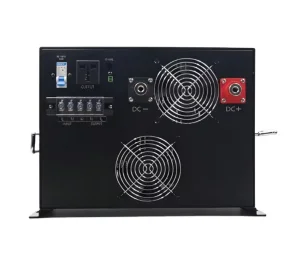
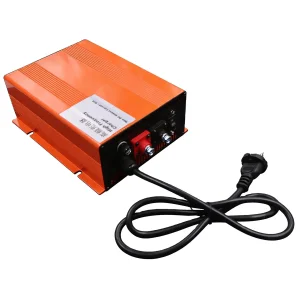
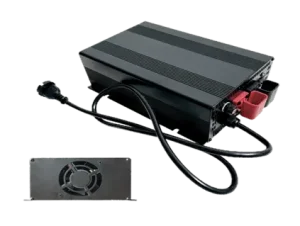
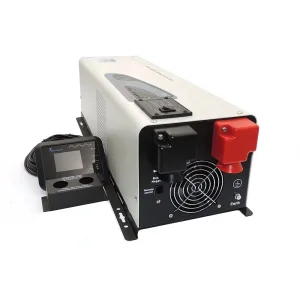
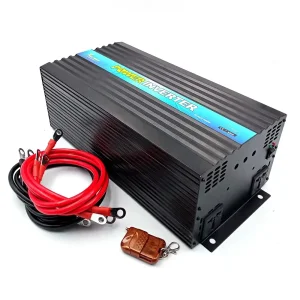
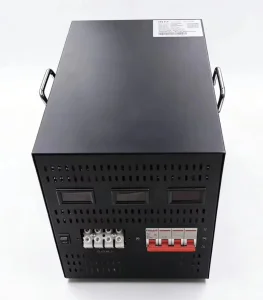
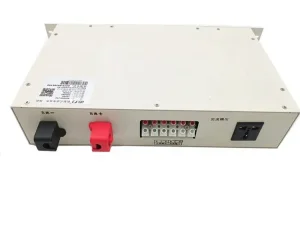
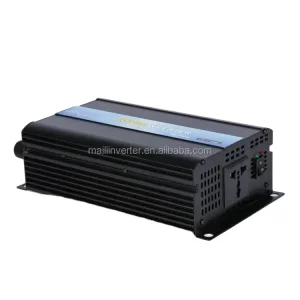
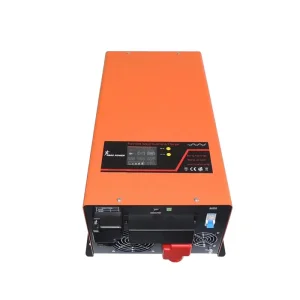
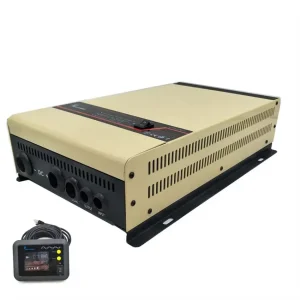
Explore our engineering-grade pure sine wave inverters, MPPT charge controllers, intelligent multi-stage battery chargers, and high-current battery isolators built for global B2B deployments.
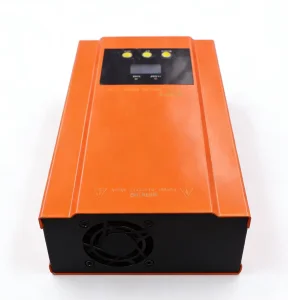
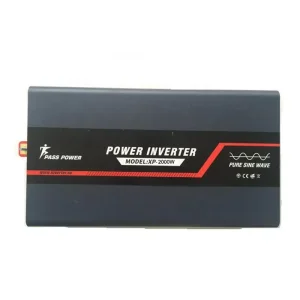
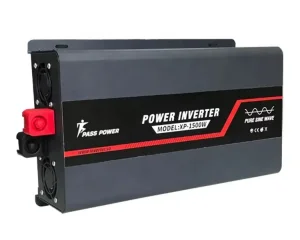
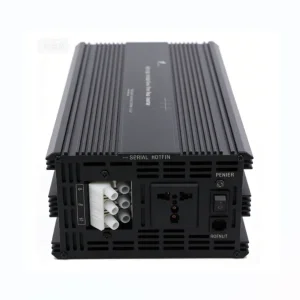
The global transition toward electrified transport, distributed renewable energy storage systems (ESS), and industrial automation has placed the 18650 lithium-ion cylindrical cell at the epicenter of modern power engineering. Standardized at 18mm in diameter and 65mm in length, the 18650 cell format offers an unmatched combination of energy density, mechanical structural rigidity, mature automated production economics, and modular pack scalabilities. However, a high-performance 18650 battery pack is only as reliable as its corresponding charging architecture and protection system. To unlock maximum cycle life, prevent thermal runaway, and ensure high operational safety, enterprise buyers must evaluate cell suppliers and charger manufacturers as a single unified energy ecosystem.
When selecting the best 18650 lithium battery and charger manufacturers & suppliers, tier-1 procurement directors evaluate multiple technical parameters: cathode chemistry selection (NMC, LFP, NCA), internal AC resistance (impedance matching to <15mΩ), continuous and peak C-rate discharge capability, intelligent multi-stage Constant Current/Constant Voltage (CC/CV) charging algorithms, and automated Battery Management System (BMS) balancing protocols. This whitepaper serves as an authoritative guide for B2B buyers, OEM system integrators, and global distributors seeking to navigate the modern manufacturing landscape.
Understanding the operational trade-offs between Nickel Manganese Cobalt (NMC) for high gravimetric density (up to 260 Wh/kg) and Lithium Iron Phosphate (LiFePO4/LFP) for superior thermal stability and 3,500+ deep charge cycles.
Microprocessor-controlled CC/CV algorithms with integrated pre-charge soft start, thermal throttling, delta V cut-off, and active pulse equalization to eliminate cell degradation during fast charging phases.
Rigorous manufacturing controls including automated laser tab welding, automated cell capacity sorting, thermal shock testing (-40°C to +65°C), and mandatory UN38.3 certification for transport compliance.
Compare fundamental electrochemistry characteristics to select the ideal cell type and matched charging profile for your specific application requirements.
| Chemistry / Parameters | NMC (LiNiMnCoO2) | LiFePO4 (LFP) | NCA (LiNiCoAlO2) | Matched Smart Charger Spec |
|---|---|---|---|---|
| Nominal Voltage | 3.6V - 3.7V | 3.2V - 3.3V | 3.6V | Auto-sensing CC/CV logic |
| Max Charge Voltage | 4.20V ± 0.05V | 3.65V ± 0.05V | 4.20V ± 0.05V | Precision voltage cut-off (±0.01V) |
| Energy Density (Wh/kg) | 200 - 260 Wh/kg | 140 - 170 Wh/kg | 250 - 300 Wh/kg | Optimized thermal power curve |
| Cycle Life (80% DoD) | 800 - 1,500 Cycles | 3,000 - 5,000+ Cycles | 500 - 1,000 Cycles | Pulse-float maintenance mode |
| Discharge C-Rate | 3C - 10C (High Drain) | 1C - 5C (Continuous) | 5C - 15C (Peak Discharge) | High peak load dynamic tracking |
| Thermal Runaway Point | ~210°C | ~270°C (Highly Safe) | ~150°C | Integrated NTC thermal sensors |
| Key B2B Applications | Power tools, E-bikes, AGVs | Solar ESS, RVs, Telecom UPS | High-performance EVs, Drones | Universal multi-chemistry switchable |
Connecting 18650 cells in multi-series (S) and multi-parallel (P) configurations without matching cell internal AC resistance (IR) within ±1.5 mΩ leads to premature pack failure, localized overheating, and capacity loss. Always source cells from factories offering 100% automated IR sorting and pair them with chargers equipped with active BMS balancing interfaces.
Analyzing the strategic cluster effect, automated gigafactory economies of scale, and advanced power electronics engineering in Chinese manufacturing hubs.
China controls over 75% of global lithium refining, cathode precursor synthesis (NMC/LFP), electrolyte compounding, and copper foil manufacturing. This localized supply cluster allows Chinese 18650 factory hubs in Jiangsu, Guangdong, and Zhejiang to secure raw materials at lower cost structures while maintaining strict quality consistency.
Modern Chinese lithium cell and charger factories operate high-speed automated winding lines, continuous ultrasonic tab welders, and AI-powered optical inspection systems (AOI). This high level of automation reduces human error to virtually zero across mass production runs.
From industrial material handling to residential off-grid energy storage, 18650 lithium cells and high-frequency smart chargers provide reliable, clean power across diverse market sectors.
High-capacity 18650 LFP packs paired with hybrid MPPT inverter-chargers provide modular energy backup for residential solar microgrids, agricultural pumping, and telecommunication tower sites.
High-discharge NMC 18650 cell configurations (13S5P, 16S8P) power electric two-wheelers, delivery e-scooters, automated guided vehicles (AGVs), and electric forklifts requiring fast AC/DC charge turnarounds.
Precision-engineered, low-impedance 18650 packs with redundant hardware BMS protection supply uninterruptible power for mobile ventilators, infusion pumps, surgical power tools, and field hospitals.
Used extensively in mobile service vehicles, emergency ambulances, and recreational vehicles (RVs) to run high-load inductive equipment, heavy power tools, and rooftop air conditioners seamlessly.
How global buyers collaborate with our Suzhou manufacturing facility to specify custom battery dimensions, housing materials, protocol integrations, and localized compliance standards.
Our engineering team works directly with client technical leads to establish exact electrical parameters: nominal operating voltage, peak discharge currents, charge speed, environmental operating temp, and communication protocols (CANbus, RS485, Modbus RTU).
Custom PCB layout development integrating solid-state MOSFET switches, over-charge, over-discharge, short-circuit protection, cell balancing circuits, temperature monitoring NTC probes, and custom digital display interfaces (LCD/LED).
Prototyping followed by comprehensive mechanical vibration testing, UN38.3 hazardous goods transit testing, thermal runaway suppression verification, and final pilot batch sign-off prior to scalable automated mass assembly.
Lithium battery logistics require expert handling under UN 3480 (Lithium-ion batteries) and UN 3481 (Batteries contained in/packed with equipment) Class 9 Dangerous Goods regulations. We provide certified UN38.3 test summaries, Material Safety Data Sheets (MSDS), sea freight dangerous goods (DG) packaging, and air freight compliance documents to guarantee hassle-free customs clearance in North America, Europe, Australia, and ASEAN regions.
Stay ahead of market shifts by understanding key technological evolutions reshaping the energy storage landscape over the next decade.
Traditional graphite anodes are rapidly transitioning toward silicon-carbon composite materials, enabling 18650 cell capacities to exceed 3,800mAh per cell while permitting 4C ultrafast charging without micro-lithium plating risks or accelerated internal degradation.
Next-generation smart chargers and battery packs now integrate edge computing chips that communicate with cloud telemetry platforms. Machine learning models analyze real-time internal resistance degradation curves, dynamic state-of-health (SoH) metrics, and thermal signatures to predict cell failures weeks before they occur.
Expert answers to the most common questions raised by electrical engineers, purchasing agents, and OEM importers.
Discover our high-wattage single-phase, 3-phase, and rack-mountable industrial inverter and charging systems built for demanding commercial environments.