


Explore our flagship high-frequency portable power electronics engineered for heavy-duty automotive, marine, emergency EMS, and industrial applications.
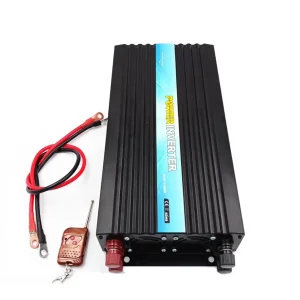
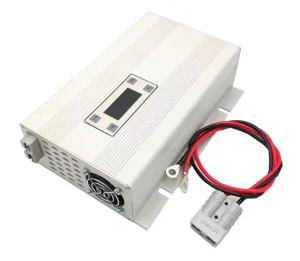
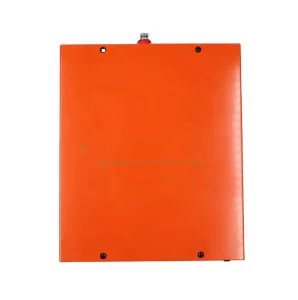
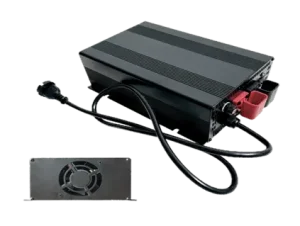
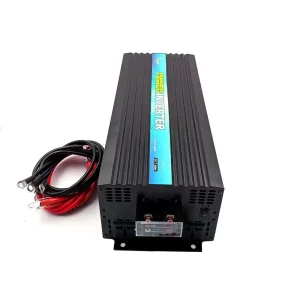
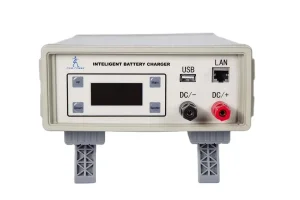
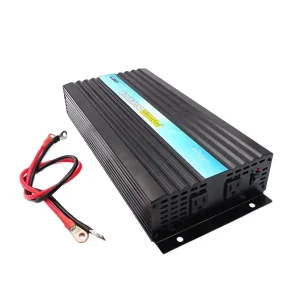
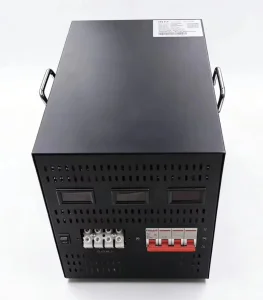
The global transition toward high-density energy storage systems, electrification of commercial transport fleets, off-grid renewable infrastructure, and heavy industrial automation has dramatically shifted the functional parameters for power conversion equipment. Among these innovations, portable high-frequency chargers represent a vital technological leap over traditional low-frequency, heavy transformer-based topologies.
High-frequency chargers operate by rectifying incoming AC mains power into DC, converting it to high-frequency AC via fast-switching power MOSFETs or advanced Gallium Nitride (GaN) and Silicon Carbide (SiC) Wide Bandgap (WBG) semiconductors, step-down transforming it through ultra-compact planar transformers, and finally rectifying it back to precisely regulated DC voltage. Operating at switching frequencies ranging from 50 kHz to over 500 kHz—compared to the 50 Hz/60 Hz frequency of conventional magnetic transformers—these units achieve volumetric reduction factors exceeding 70% and conversion efficiencies topping 95% to 98%.
For B2B procurement officers, original equipment manufacturers (OEMs), and systemic energy integrators, identifying the best portable high-frequency charger supplier and product involves rigorous technical evaluation. Critical benchmarks include thermal management design, Active Power Factor Correction (APFC) coefficients, multi-chemistry battery algorithm adaptivities (LiFePO4, NMC, AGM, Gel, Lead-Acid), digital communication protocol support (CAN-bus v2.0B, RS485, Modbus), and compliance with global safety standards such as UL 2202, CE, SAA, CB, and IEC 61851.
China has established an unassailable global lead in the research, development, and mass manufacturing of portable high-frequency charging systems. This competitive edge stems from localized industrial ecosystems, complete raw material supply chains, advanced automated surface-mount technology (SMT) infrastructure, and deep engineering talent pools.
Chinese production hubs, particularly in the Yangtze River Delta (Suzhou, Shanghai) and Pearl River Delta (Shenzhen, Dongguan), integrate every tier of the power supply ecosystem. From raw copper wire drawing and ferrite core sintering to high-density multilayer PCB fabrication and microchip packaging, component lead times are reduced from months to days.
Leading Chinese charger OEMs utilize fully automated SMT lines equipped with 3D Automated Optical Inspection (AOI), Solder Paste Inspection (SPI), and computerized X-ray testing for BGA packages. High-frequency planar transformers and high-power MOSFETs are pick-and-placed with sub-micron precision, drastically mitigating field failure rates.
China's rapid adoption of third-generation semiconductors allows tier-1 manufacturers to iterate Silicon Carbide (SiC) and Gallium Nitride (GaN) driver circuits rapidly. Local OEMs can deliver custom high-frequency charger prototypes within 14 to 21 working days, maintaining a crucial time-to-market advantage for international buyers.
A granular analysis of global power electronics manufacturing reveals that sourcing high-frequency chargers from tier-1 Chinese factories yields a 30% to 45% reduction in total cost of ownership (TCO) without sacrificing quality metrics. This is driven by high-volume procurement of key components (NXP MCU ICs, Infineon SiC MOSFETs, TDK magnetic cores) combined with fully automated 100% full-load burn-in testing chambers running automated thermal imaging routines.
The portable power conversion market is undergoing rapid evolution. Key technological forces are redefining product specifications, software control algorithms, and environmental ruggedness. Importers and system designers must align their product roadmaps with these core industry vectors:
Silicon MOSFETs are reaching their physical limits in switching speed and thermal dissipation. The shift toward GaN and SiC devices enables switching frequencies in excess of 200 kHz with near-zero Reverse Recovery Losses. This permits dramatic size reduction of magnetic inductors and capacitors, resulting in ultra-portable palm-sized high-power chargers.
Modern chargers have shifted from fixed constant-current/constant-voltage (CC/CV) curves to micro-processor-controlled adaptive algorithms (such as 8-stage intelligent charging profiles). These software-driven profiles dynamically adjust voltage, pulse current, and float trickle rates based on real-time internal battery impedance and ambient temperature data.
Enterprise procurement now demands smart communication interfaces. High-frequency chargers feature isolated CAN-bus 2.0B, RS485, and Bluetooth low energy (BLE) modules. Fleet managers can remotely monitor state-of-charge (SoC), thermal parameters, total charge cycles, and operational fault codes via cloud dashboards.
The boundary between pure battery chargers and hybrid off-grid inverters is blurring. Top-tier high-frequency chargers are incorporating bi-directionality, allowing power to flow from high-voltage DC battery packs back into auxiliary AC tools, mobile workstations, or micro-grid storage nodes during emergency outages.
| Performance Parameter | High-Frequency Portable Charger | Low-Frequency Heavy Charger | Technical Advantage |
|---|---|---|---|
| Switching Frequency | 50 kHz – 500 kHz (GaN/SiC) | 50 Hz / 60 Hz | Smaller passive components & transformers |
| Power Density | 0.8 kW/kg – 1.5 kW/kg | 0.15 kW/kg – 0.3 kW/kg | Ultra-compact & highly portable for field deployment |
| Conversion Efficiency | 94% – 98% Peak | 80% – 88% Peak | Reduced heat generation & lower operating cost |
| Power Factor (APFC) | > 0.99 Active Correction | 0.70 – 0.82 Passive | Clean AC grid drawing & low harmonic noise |
| Enclosure Protection | Fully Sealed IP65 / IP67 Aluminum | Vented IP20 / IP21 Steel Chassis | Superior moisture, dust, and shock resistance |
The compact footprint and high power delivery of portable high-frequency chargers make them indispensable across specialized industries. Below are deep-dive technical operational scenarios where these systems excel:
Off-grid travelers require lightweight, high-output chargers capable of replenishing high-capacity LiFePO4 bank systems from portable generators or shore power. High-frequency chargers with multi-stage curves prevent cell degradation and offer quiet fanless operation during night charging cycles.
Saltwater environments demand ruggedized charging units. High-frequency marine chargers utilize die-cast extruded aluminum heat sinks with IP67 potting compound enclosures, protecting internal high-voltage switching circuits against salt-mist corrosion, humidity, and extreme marine vibration.
Automated Guided Vehicles (AGVs) and electric forklifts operating in 24/7 logistics centers rely on fast opportunity charging. Compact high-frequency chargers integrated with CAN-bus communication can deliver fast 1C to 2C charging rates during shift breaks without overheating cell packs.
Ambulances, mobile surgical units, and fire command vehicles contain sensitive diagnostic equipment requiring pure, low-ripple DC power. High-frequency chargers provide regulated voltage with minimal electromagnetic interference (EMI), complying with strict medical CISPR 11 Class B requirements.
High-power high-frequency charging systems must withstand unpredictable real-world electrical environments, grid voltage fluctuations, and thermal extremes. Industrial-grade suppliers incorporate multi-layered electronic safety mechanisms to prevent equipment downtime and battery thermal runaway events.
Uncorrected chargers consume current in sharp peak pulses, creating high Total Harmonic Distortion (THD) and causing local breaker tripping or transformer overheating. Advanced high-frequency chargers feature two-stage topologies incorporating interleaved Boost APFC circuits. This guarantees a Power Factor (PF) > 0.99 and THD < 3%, conforming strictly to EN 61000-3-2 grid standard requirements.
Sustained high-power output in compact enclosures requires sophisticated thermal dissipation paths. Engineers deploy high-thermal-conductivity aluminum substrates, heat pipes, and micro-processor-controlled variable speed fans. Under extreme ambient conditions (> 50°C), internal thermal sensors initiate dynamic power derating to prevent component stress while maintaining continuous operation.
When enterprise buyers purchase portable high-frequency chargers in wholesale volumes or contract OEM/ODM custom developments, evaluating price per watt alone is insufficient. B2B procurement teams must execute comprehensive supplier audits based on the following key criteria:
Ensure the manufacturer maintains certified test reports from accredited bodies (SGS, TUV, Intertek) for target markets: CE (LVD/EMC), FCC Part 15 Class B, UL 1564 / UL 2202 for North America, SAA/RCM for Australia, and RoHS/REACH chemical compliance for Europe.
Assess the factory's flexibility in modifying software firmwares (custom CAN-bus ID mapping, custom charging algorithms), housing colors, mechanical bracket mounts, AC input plug configurations (NEMA, Schuko, UK, AU), and custom branding LCD displays.
A reliable supplier must enforce strict ISO 9001:2015 processes. Demand 100% full-load thermal burn-in testing (minimum 4 hours at 45°C ambient), automated high-voltage hipot isolation testing (2500VAC input-to-output), and ground continuity verification prior to packing.
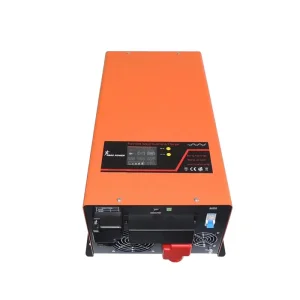
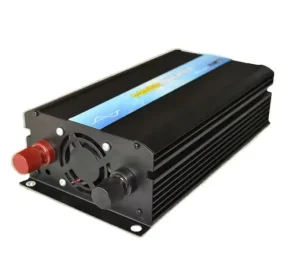
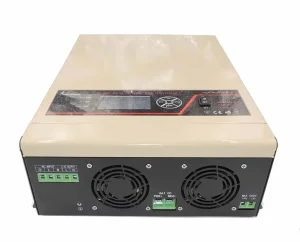
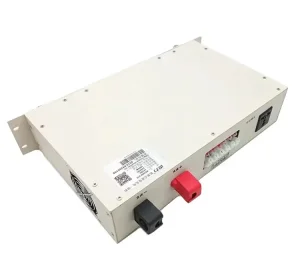
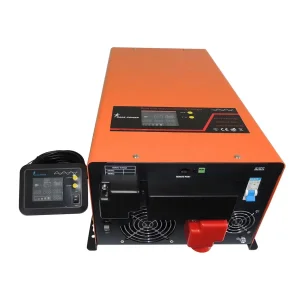
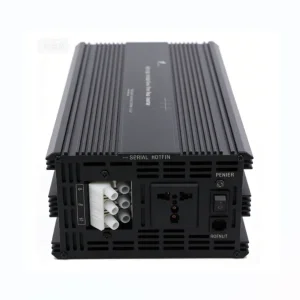
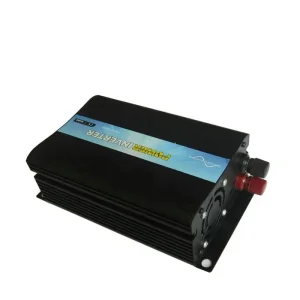
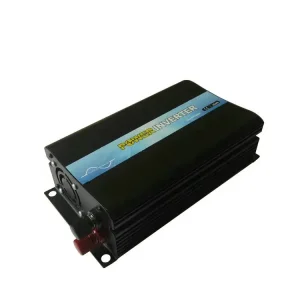
Complete your systems architecture with our expanded collection of high-efficiency pure sine wave power converters and smart chargers.
Technical guidance and purchasing answers curated by our senior engineering team to assist global buyers in product selection.
