The global transition toward decarbonized energy infrastructures has reshaped international power equipment trade. Modern wind energy deployments require seamless synergy between kinetic generation hardware (turbines, rotors, nacelles) and sophisticated power conversion electronics (inverters, transformers, phase converters). As prominent best wind turbines exporters expand their global footprints, procurement officers, EPC contractors, and utility operators must navigate complex supply chains, localized grid codes, and extreme environmental demands.
Exporting wind turbines encompasses more than logistical shipping; it demands rigorous engineering compliance, international certification frameworks (such as IEC 61400, CE, UL 1741, and IEEE 1547), and robust balance-of-plant (BOP) integration. Modern commercial wind installations—ranging from distributed 100kW agricultural units to multi-megawatt offshore utility farms—depend on highly reliable power conditioning units. Power inverters, hybrid converters, and high-voltage DC conversion platforms convert variable, fluctuating wind generation into clean, grid-synchronized electricity.
Cross-border supply chains have matured significantly. Exporters are no longer judged solely on aerodynamic efficiency or rotor diameter; bankability hinges on comprehensive system reliability, total cost of ownership (TCO), and Levelized Cost of Energy (LCOE) optimization. Leading export manufacturing hubs in East Asia and Europe have established integrated manufacturing clusters that build both turbine mechanical components and high-efficiency power electronics.
Evaluating high-performance wind turbine export equipment requires examining the nacelle engineering, generator mechanics, and solid-state power conversion systems. Modern exported wind turbines generally fall into two primary mechanical topologies: Direct-Drive Permanent Magnet Synchronous Generators (PMSG) and Gearbox-driven Doubly-Fed Induction Generators (DFIG).
Direct-drive turbines eliminate mechanical gearboxes, connecting the rotor hub directly to a low-speed permanent magnet generator. This topology reduces mechanical wear, maintenance demands, and lubricant needs, making it ideal for remote, off-grid, and offshore export environments.
PMSG systems require 100% full-scale back-to-back AC-DC-AC power converters. Variable-frequency AC from wind variation is rectified to stable DC, then inverted through IGBT/SiC modules into precise, grid-synchronized pure sine wave AC with full Low-Voltage Ride-Through (LVRT) capability.
Advanced export turbines feature active independent pitch control. Microprocessor-controlled electromechanical drives adjust blade angles in real time based on anemometer and LiDAR data, maximizing energy capture below rated wind speeds while protecting structural integrity during storm gusts.
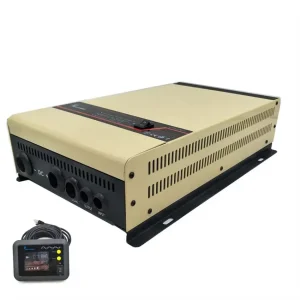
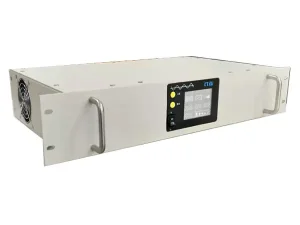
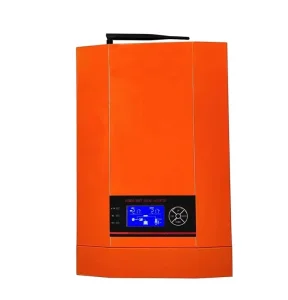
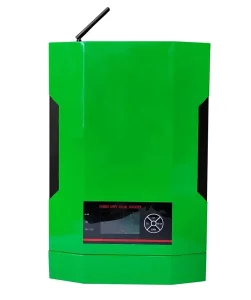
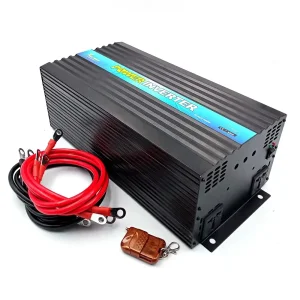
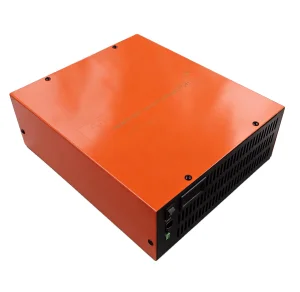
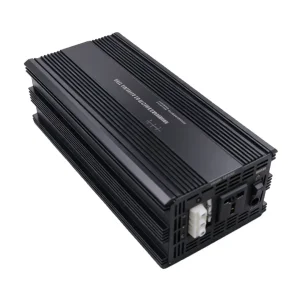
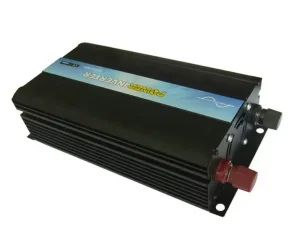
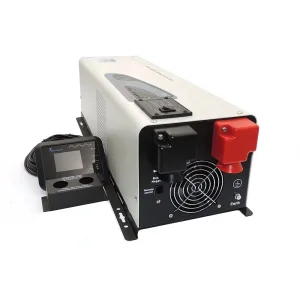
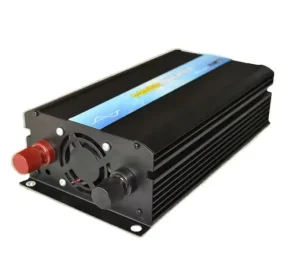
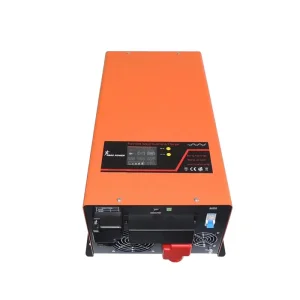
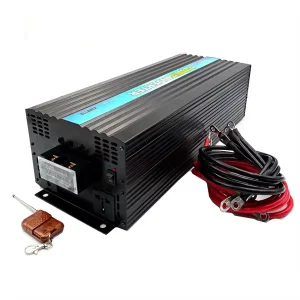
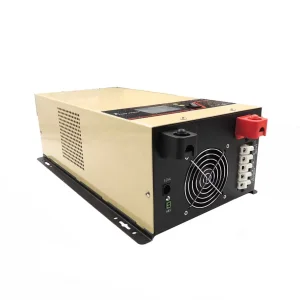
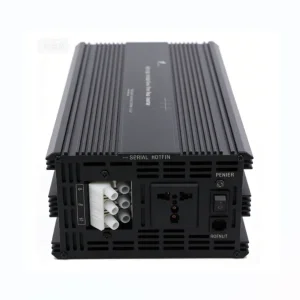
A primary challenge for off-grid and distributed wind systems is the stochastic nature of wind speed. Mechanical wind variations create fluctuations in generated voltage and frequency. High-performance low-frequency and high-frequency inverters—equipped with wide DC input voltage ranges (e.g., 24V, 48V, 96V, or high-voltage 380V DC platforms)—act as the vital bridge between wild wind power and sensitive electrical loads.
Low-frequency inverters featuring heavy-duty toroidal transformers are often preferred in industrial wind installations because of their immense surge capabilities (often up to 300% rated capacity for several seconds). This capability handles the high inductive inrush currents generated by heavy machinery, motor pumps, and air compressors connected to wind-powered microgrids.
Exported wind turbine technology serves diverse geographical conditions and operational mandates. Leading wind equipment exporters customize hardware configurations to meet regional climate challenges and localized grid profiles.
Off-grid mining operations in Australia, South America, and Central Asia often rely on costly, carbon-heavy diesel generators. Integrating 500kW–2MW wind turbines alongside heavy-duty 3-phase pure sine wave inverters creates robust hybrid microgrids. These systems cut fuel consumption by up to 60% while stabilizing localized voltage grids during high-power crushing and hoisting operations.
Island nations and coastal resorts face extreme electricity rates due to imported fuel costs. Export wind turbines for marine environments are built with C5-M anti-corrosion coatings, sealed nacelles, and IP65 power conversion enclosures. Combined with off-grid hybrid MPPT solar/wind inverters, these units provide resilient, self-healing island power.
In extensive farming regions across North America, Sub-Saharan Africa, and LATAM, wind-powered water pumping and cold-chain storage are essential. High-power 5kW to 50kW wind turbines paired with low-frequency off-grid inverters easily power heavy inductive water pump motors without grid connections.
As the global clean energy ecosystem shifts toward digitalized smart grids and higher power densities, exporters are upgrading equipment architecture to maintain competitive advantages.
Transitioning from conventional Silicon IGBTs to Silicon Carbide (SiC) MOSFETs in wind energy inverters. This shift increases thermal efficiency beyond 99%, reduces heat sink dimensions by 40%, and enables higher switching frequencies with minimal harmonic distortion (THD < 2%).
Exported nacelles will feature integrated IoT vibration, acoustic, and thermal sensor arrays. Edge-AI algorithms analyze gear-mesh frequencies and generator bearing wear in real time, predicting component fatigue months before failure and reducing offshore maintenance visits.
Next-generation wind energy converters will shift from grid-following to active grid-forming topologies, providing synthetic inertia and black-start capability to weak grids. Lightweight high-temperature superconducting (HTS) generators will double power density per kilogram of nacelle weight.
Selecting an international wind turbine exporter requires thorough engineering due diligence beyond basic price-per-watt comparisons. Technical procurement teams should evaluate potential export partners using a multi-tiered quality assurance matrix:
Verify that manufacturing facilities maintain ISO 9001:2015 certification and execute 100% full-load thermal burn-in aging tests on power electronics. Inverters and controllers must pass rigorous high-voltage insulation tests, salt-spray environmental chamber exposures, and vibration tolerance checks.
Wind equipment components are large, fragile, and sensitive to transport stress. Professional exporters provide custom-engineered export packaging—including vacuum-sealed anti-moisture vapor barriers, shock-absorbing wooden crates, and containerized breakbulk shipping arrangements.
Institutional project financing requires bankable equipment performance warranties. Tier-1 exporters back their systems with 5-to-10-year extended warranty packages, guaranteed spare-parts availability, and remote technical engineering support.
Below are answers to critical technical and commercial questions posed by global distributors, EPC contractors, and system integrators when sourcing wind turbines and power conversion equipment.