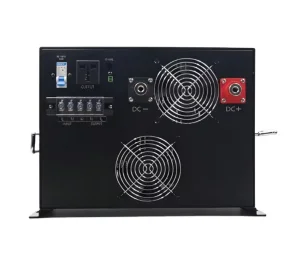
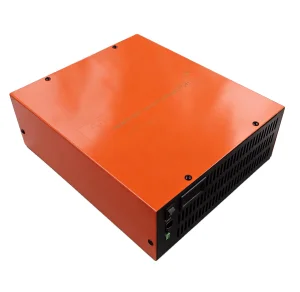
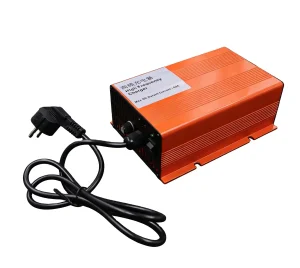
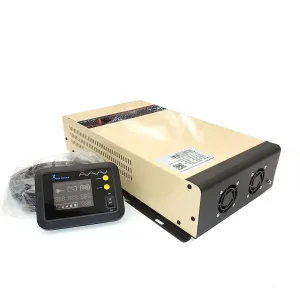
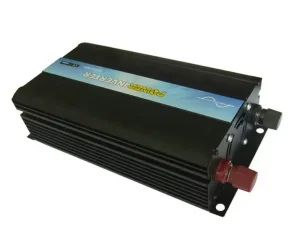
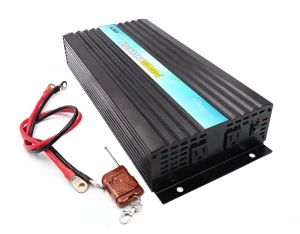
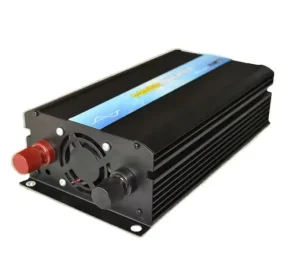
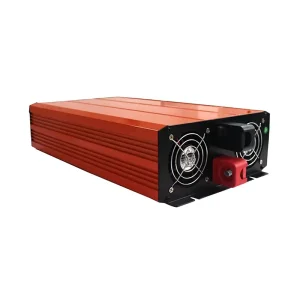
Explore our CE-certified power conversion units engineered for extreme operational resilience, maximum conversion efficiency, and industrial-grade reliability.
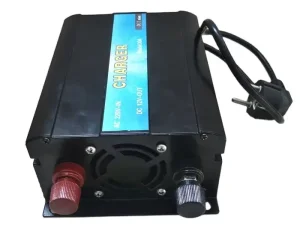
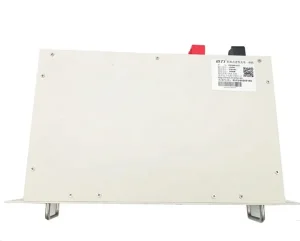
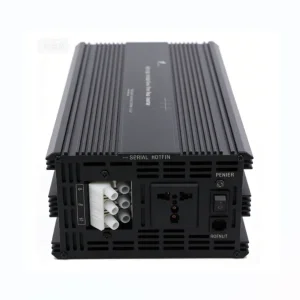
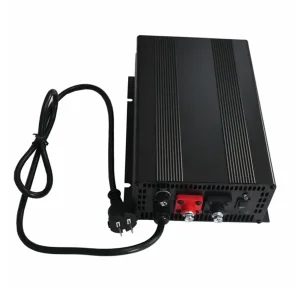
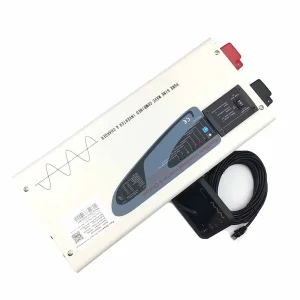
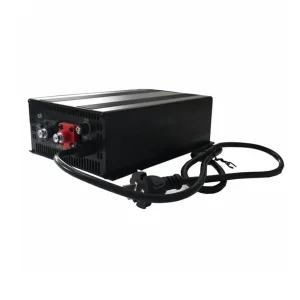
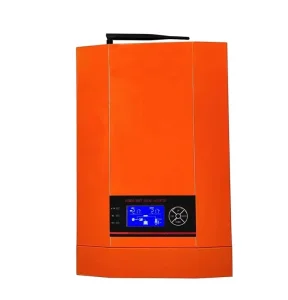
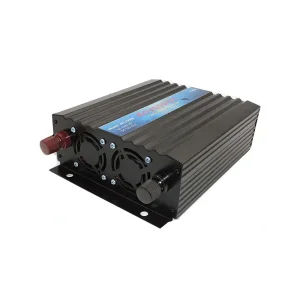
Navigating the convergence of Silicon Carbide (SiC) power electronics, rigorous European CE regulatory frameworks, and advanced manufacturing topologies.
In the rapidly evolving landscape of global renewable energy infrastructure, solar power inverters stand as the crucial brain behind energy generation, grid synchronization, and energy storage orchestration. As commercial, industrial, and residential sectors demand unprecedented levels of electrical efficiency, thermal endurance, and fault tolerance, the manufacturing criteria for high-capacity inverters have shifted dramatically. A high-efficiency CE-certified solar inverter is no longer merely a power switching unit; it is an intelligent power node capable of dynamic grid support, predictive maintenance, advanced harmonic control, and seamless battery management integration.
Foxess inverter technology represents the forefront of this industrial transformation. Engineered through state-of-the-art Research & Development paradigms and validated against strict international standards, these inverters incorporate Third-Generation Semiconductor components (SiC MOSFETs), advanced Digital Signal Processing (DSP), and robust thermal management algorithms. Understanding the engineering sophistication behind CE certification—spanning Low Voltage Directives (LVD 2014/35/EU) and Electromagnetic Compatibility Directives (EMC 2014/30/EU)—provides EPC contractors, procurement directors, and system integrators with the requisite clarity to de-risk long-term infrastructure investments.
Rigorous structural verification ensuring absolute grid stability, electromagnetic silence, and personnel safety.
Compliance with EN 62109-1 and EN 62109-2 safety standards guarantees structural insulation integrity, creepage distance protection, galvanic isolation, and active arc fault circuit interruption (AFCI) to prevent electrical fires.
Verified under EN 61000-6-1/2/3/4, ensuring ultra-low electromagnetic interference (EMI) and high immunity to high-voltage surges, fast electrical transients, and radio-frequency emissions across commercial grids.
Engineered to comply seamlessly with European grid codes including VDE-AR-N 4105 (Germany), G98/G99 (UK), and CEI 0-21 (Italy), supporting reactive power control and anti-islanding protection.
Combining automated SMT assembly, multi-stage AOI inspection, and 100% full-load thermal burn-in testing to set new benchmarks in inverter reliability.
Integrated Panasonic and Siemens surface-mount technology (SMT) lines ensure micron-level component placement accuracy, eliminating manual soldering defects in sensitive gate drivers and control PCBs.
Automated Optical Inspection (AOI) coupled with high-resolution X-ray void ratio verification ensures voiding levels in SiC power module solder joints remain under strict < 5% industry thresholds.
Every manufactured inverter undergoes 100% burn-in testing inside environmental chambers at 50°C ambient temperatures under full operational power load for 12 hours prior to final packaging.
Tailored topologies for complex electrical environments ranging from decentralized residential setups to high-power commercial installations.
Integrating high-efficiency MPPT controllers with high-voltage battery interfaces (100V-500V DC). Enables zero-gap UPS millisecond switching during utility power outages to maintain domestic power continuity.
Multi-MPPT string inverter configurations up to 100kW+ per unit, featuring active reactive power compensation, peak-shaving algorithm support, and dynamic load balancing for factories and enterprise parks.
Robust low-frequency transformer-based options and pure sine wave off-grid platforms designed for telecom towers, agricultural pumping, mining sites, and emergency mobile vehicles.
Strategic engineering vectors driving next-generation power density, AI power routing, and bidirectional microgrid connectivity.
Transitioning commercial string inverters entirely to Silicon Carbide (SiC) semiconductors, achieving power density gains of over 30% and peak conversion efficiencies exceeding 99.3% in 1500V DC topologies.
Embedding edge-AI microcontrollers into inverter control loops for real-time thermal modeling, intelligent degradation detection of PV arrays, and ultra-fast tracking under complex dynamic cloud shading.
Standardizing bidirectional EV charging algorithms directly into core inverter platforms, enabling seamless energy exchange between Electric Vehicles, home energy storage, and national smart grids.
Streamlining international procurement workflows with verifiable compliance, localized white-labeling, and total cost of ownership (TCO) optimization.
For international buyers, system integrators, and commercial distributors, selecting an inverter manufacturing partner involves evaluated metrics that far surpass initial FOB component costs. Crucial factors include supply chain auditability, component traceability (BOM transparency), firmware customization capabilities, and long-term RMA (Return Merchandise Authorization) support networks.
Our OEM/ODM engineering pipeline offers comprehensive white-label adaptation across eight distinct dimensions: DC input voltage window matching, customizable charging current limits, communication interface protocol integration (RS485, Modbus, CAN, Ethernet, Wi-Fi/GPRS), custom enclosure sheet metal design with anti-corrosion C5 coatings, localized output socket selection (EU, US, UK, Universal), user interface / LCD branding, and regional grid-code specific pre-programming.
In-depth responses curated for electrical engineers, procurement directors, and renewable energy project managers.
Explore additional certified models tailored for specialized industrial, automotive, and renewable energy conversion applications.