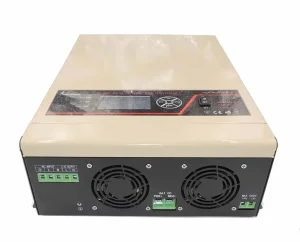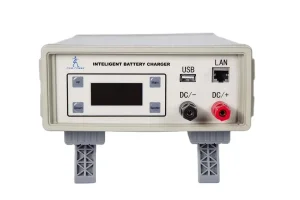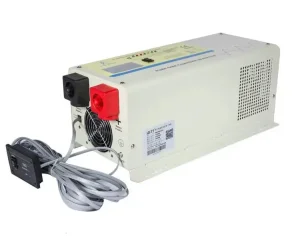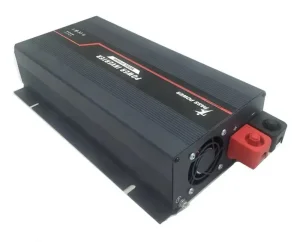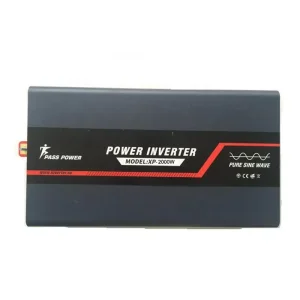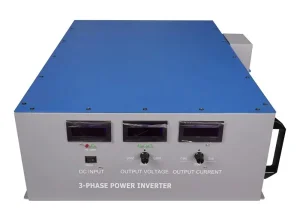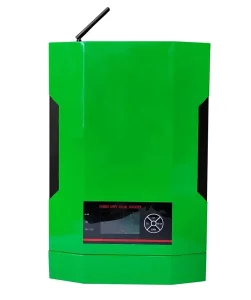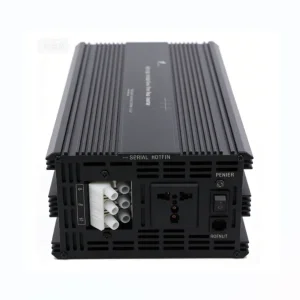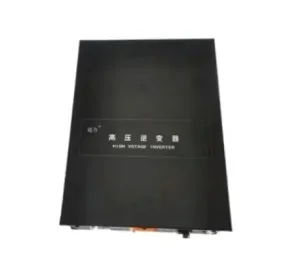
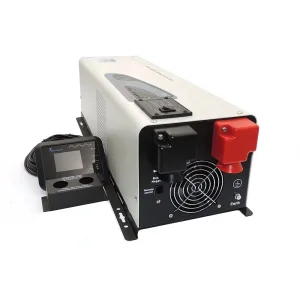
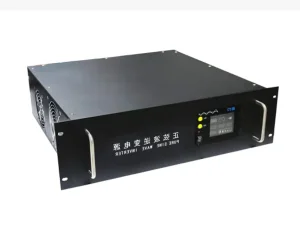
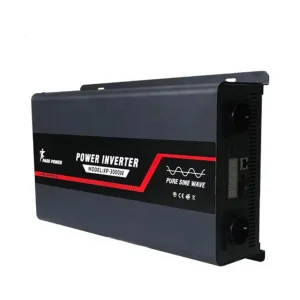
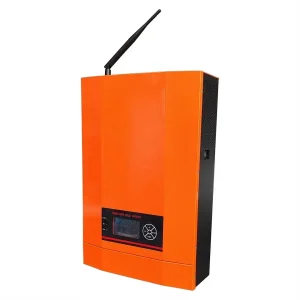
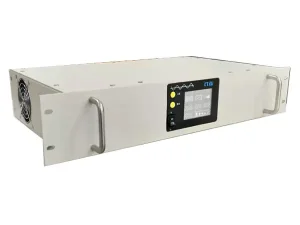
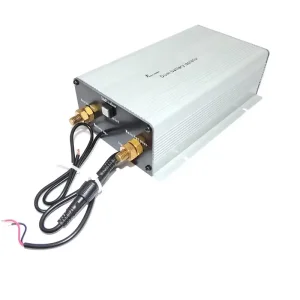
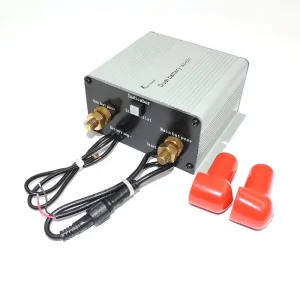
The global energy transition has driven an unprecedented surge in demand for decentralized power architectures. Among the various capacity thresholds, the 10kW hybrid inverter has emerged as the global standard sweet spot for high-end residential, agricultural, and light commercial & industrial (C&I) applications. Bridging the operational gap between smaller 3kW–5kW residential setups and large-scale industrial megawatt systems, a 10kW hybrid inverter provides the robust throughput necessary to manage heavy inductive loads, continuous solar generation, and battery energy storage system (BESS) integration simultaneously.
Across North America, Europe, Australia, and rapidly electrifying regions in South America and Africa, energy economics have shifted. Dynamic electricity pricing, grid vulnerability caused by extreme weather events, and the reduction of traditional feed-in tariffs (FiT) have transformed solar energy storage from a luxury asset into an indispensable economic shield. Global procurement directors, EPC contractors, and B2B system integrators are actively seeking cheap 10kw hybrid inverter manufacturers who can deliver uncompromised tier-1 reliability, high surge resilience, and advanced smart-grid connectivity at a competitive capital expenditure (CAPEX) baseline.
SEO Information Gain Insight: Modern 10kW hybrid inverters are no longer passive power converters. They act as distributed Energy Management Systems (EMS), utilizing real-time AI algorithms to arbitrage grid prices, execute peak shaving, manage EV charging stations, and maintain uninterrupted power supply (UPS) capabilities for critical infrastructure.
When sourcing 10kW hybrid inverters, enterprise buyers must evaluate the fundamental architectural distinction between Low-Frequency (Transformer-based) and High-Frequency (Transformerless) topologies. Selecting the incorrect engineering topology can lead to premature hardware failure, system downtime, or unnecessary capital expenditure.
| Performance / Feature Metric | Low-Frequency (Heavy Toroidal Transformer) | High-Frequency (DSP & MOSFET Switching) |
|---|---|---|
| Surge Capacity & Peak Motor Starting | Extreme (Up to 300% rating for 10-20 seconds). Ideal for heavy motors, pumps, and HVAC. | Moderate (150% to 200% rating for 5 seconds). Best for linear resistive and electronic loads. |
| Galvanic Isolation | Complete physical isolation via heavy copper toroidal transformer. High immunity to grid surges. | Electronic isolation. Requires external surge protection devices (SPD). |
| Power Conversion Efficiency | 90% – 94% (Slight loss due to core magnetizing currents). | 97.5% – 98.5% (Minimal thermal and switching dissipation losses). |
| Weight & Physical Footprint | Heavy (45kg – 75kg). Requires solid wall mounting or floor rack installation. | Compact & Lightweight (20kg – 32kg). Highly mobile and easy single-person installation. |
| B2B Sourcing Target Cost (CAPEX) | Higher raw material cost (Copper & Iron cores), long life cycle stability. | Highly cost-optimized ("Cheap" baseline without compromising electronic quality). |
In international B2B procurement, the term "cheap" has historically carried negative connotations regarding build quality. However, in the contemporary power electronics landscape—specifically centered around advanced manufacturing hubs in Suzhou, Shenzhen, and Ningbo—the ability of a China 10kw hybrid inverter manufacturer to deliver low-cost units stems from structural manufacturing advantages rather than compromised component quality.
Chinese manufacturing ecosystems house the entire raw material ecosystem within a 50-kilometer radius. From high-grade silicon carbine (SiC) MOSFETs, IGBT modules, and automotive-grade Microchip DSPs to copper magnet wires and aluminum heat sinks, component lead times are reduced from weeks to hours.
Leading tier-1 factories utilize fully automated High-Speed Surface Mount Technology (SMT) lines combined with 3D Automated Optical Inspection (AOI) and X-ray soldering defect detection. Automation minimizes manual assembly labor costs while bringing defect rates down to parts-per-million (PPM) levels.
Cost savings are protected against warranty claims through intensive quality control protocols. Every 10kW inverter undergoes extended thermal chamber testing, full-load burn-in at 50°C ambient temperatures, dynamic short-circuit simulations, and high-voltage isolation breakdown tests before packaging.
A single 10kW hybrid inverter specification cannot fulfill all global grid topology demands. Factory OEM/ODM customization is crucial for international distributors to ensure compliance with local electrical safety, grid code requirements, and environmental conditions.
In the United States, Canada, and parts of Mexico, residential and commercial service entrances utilize split-phase configurations. A 10kW hybrid inverter engineered for this market must support dual 120V L1/L2 lines with 240V phase-to-phase output without requiring external auto-transformers.
European and Australian markets overwhelmingly require three-phase 400V grid tied and off-grid operational support. 10kW hybrid inverters deployed here emphasize precision grid frequency regulation and intelligent self-consumption prioritization.
In regions across Africa, Southeast Asia, and South America, weak utility grids experience frequent brownouts, extreme voltage spikes (90V–300V), and frequent load shedding. 10kW inverters serving these sectors require rugged protection mechanisms.
Industrial commercial hubs and EV fleet maintenance depots utilize specialized 10kW high-voltage DC inverters. By coupling high-voltage battery arrays directly (350V–540V DC) to AC power lines, system conversion efficiency is maximized while reducing thermal waste.
The hardware architecture of 10kW hybrid inverters is undergoing rapid technological evolution. Sourcing managers and EPC contractors must align with manufacturers investing in next-generation power electronics design to avoid premature product obsolescence.
Replacing traditional Silicon IGBTs with Wide-Bandgap Silicon Carbide (SiC) MOSFETs allows switching frequencies to increase from 20kHz to over 100kHz. This drastically reduces the size of internal inductors and capacitors, enabling lighter 10kW footprints with overall efficiency exceeding 98.5%.
The industry is shifting from legacy low-voltage 48V battery systems to High-Voltage DC battery architecture (150V–500V DC) for 10kW ratings. High voltage drastically reduces DC cable current amperage, lowering copper cabling costs, minimizing I²R heat losses, and increasing safety.
Modern 10kW hybrid inverters feature embedded IoT gateways supporting Wi-Fi, 4G, Ethernet, RS485, and CAN 2.0B protocols. Integrated AI algorithms analyze historical household power consumption alongside weather forecast models to automatically schedule battery charging during off-peak rate hours.
Procuring low-cost 10kW hybrid inverters from overseas manufacturers requires a structured risk-mitigation framework. B2B buyers must audit manufacturing partners across four key operational capabilities to guarantee product quality, regulatory compliance, and post-sale technical stability.
Verify that test reports originate from internationally accredited labs (such as TÜV Rheinland, SGS, Intertek, or Bureau Veritas). Essential documentation includes CE-EMC, IEC 62109-1/-2 safety certifications, RoHS compliance, and regional grid interconnection certificates.
Confirm factory engineering support for non-standard voltage ranges (e.g., custom 96V DC or high-voltage 540V DC inputs), custom LCD user interfaces, firmware language options, tailored RS485/CAN communication protocols, and private-label chassis colorways.
Evaluate post-sales service terms. Tier-1 China manufacturers provide 1%–2% free buffer spare parts (control motherboards, power boards, cooling fans, display units) per batch order, alongside comprehensive remote technical diagnosis support for regional distributors.
Below are expert engineering answers to common technical queries encountered by procurement officers, system installers, and electrical distributors when sourcing 10kW hybrid solar inverters.