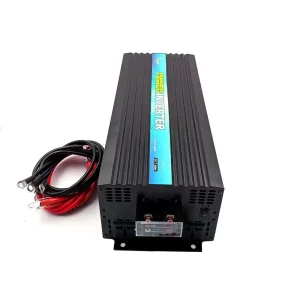
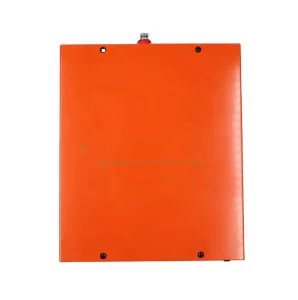
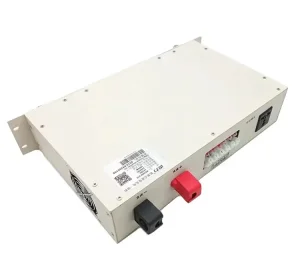
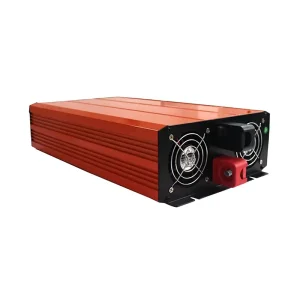
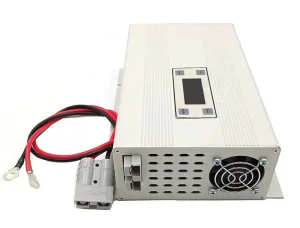
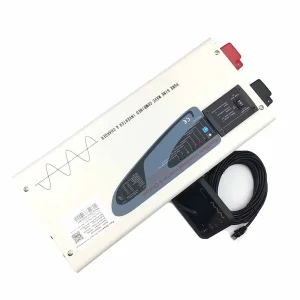
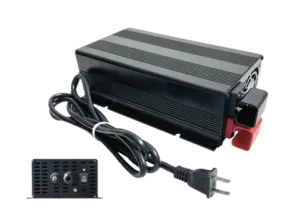
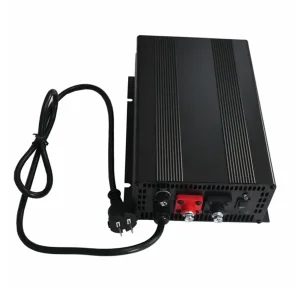
Explore factory-direct low-frequency, high-frequency, solar MPPT hybrid inverters, and multi-stage intelligent chargers tested under rigorous ISO 9001:2015 quality standards.
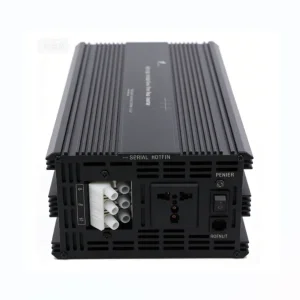
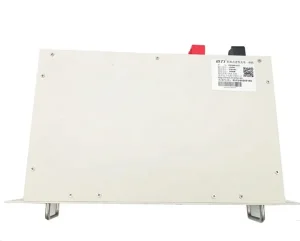
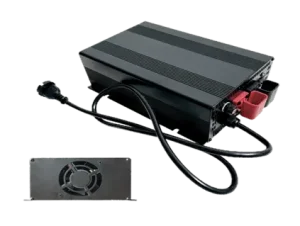
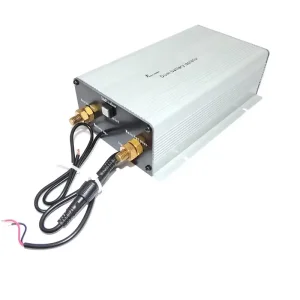
Understanding the true economics of "Cheap 3 Stages" hardware without compromising structural durability, energy density, or electro-chemical safety in industrial and commercial deployments.
In the rapidly expanding global market for decentralized energy, mobile power systems, and off-grid infrastructure, procurement officers and electrical engineers are constantly seeking optimal pricing models. However, searching for "cheap 3 stages suppliers and products" frequently presents a technical paradox: how can enterprise buyers access low-cost power conversion hardware while maintaining strict compliance, high efficiency, and extended MTBF (Mean Time Between Failures)?
The answer lies in advanced manufacturing economics, automated SMT production, topology standardization, and supply chain vertical integration. Modern 3-stage intelligent charging systems—integrated within standalone smart chargers, toroidal low-frequency inverters, and high-frequency solar MPPT hybrid power hubs—rely on three precise electro-chemical phases to extend battery longevity and maximize energy storage investment return:
During the initial bulk charging cycle, the 3-stage power converter delivers maximum rated output current into the depleted battery bank. High-end controllers dynamically adjust duty cycles using pulse-width modulation (PWM) or resonant LLC topology, rapidly elevating state-of-charge (SoC) to approximately 80% while controlling thermal dissipation.
Once the battery terminal voltage reaches the preset absorption threshold (typically 14.4V–14.8V for AGM/gel or custom voltage curves for LiFePO4 chemistry), the charger holds voltage constant while current exponentially tapers down. This phase prevents dangerous outgassing and ensures 100% full capacity saturation.
In the final float charging stage, the system drops terminal voltage to a safe trickle level (13.5V–13.8V), neutralizing self-discharge losses. Advanced 3-stage intelligent chargers feature temperature compensation sensors and automated auto-wake pulse cycles to prevent battery sulfation or overcharging during extended standby periods.
Macroeconomic drivers, regional adoption dynamics, and supply chain cost-optimization trends shaping multi-stage battery chargers and power inverters globally.
The worldwide demand for reliable, cost-effective power conversion devices has experienced unprecedented acceleration. Driven by global energy grid decarbonization, the surge in outdoor leisure and commercial RV transport, maritime electrification, and telecom network expansion in remote geographic zones, international procurement channels are prioritizing suppliers capable of delivering certified multi-stage power devices at low unit margins.
Key regional market breakdowns highlight the diverse functional demands placed upon 3-stage products:
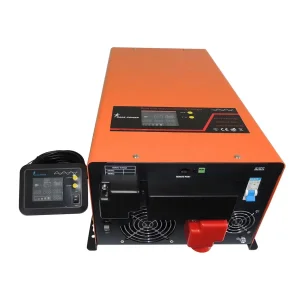
Demand in North America emphasizes high-surge low-frequency pure sine wave inverter chargers (1.5kW to 6kW) equipped with integrated 3-stage battery chargers. Equipment must withstand extreme transient inductive loads from rooftop air conditioners, microwaves, and heavy compressor pumps during off-grid travel.
European buyers prioritize CE, RoHS, and strict electromagnetic compatibility (EMC) compliance. Dual-battery systems in ambulances, emergency vehicles, and commercial marine crafts demand intelligent 3-stage charging profiles paired with zero-drop dual battery isolators to guarantee primary engine starting capability.
Across Africa, Southeast Asia, and Latin America, grid instability drives high demand for economical hybrid solar inverters combining 60A MPPT controllers and 3-stage AC mains charging capabilities. Low initial capital outlay ("cheap sourcing") combined with high thermal resistance (aluminum casing design) forms the primary purchasing criterion.
| Market Segment | Core Hardware Topology | Typical Input / Output Voltage | 3-Stage Charging Specs | Primary Compliance Required |
|---|---|---|---|---|
| Caravan & Motorhome Power | Low Frequency Toroidal Inverter Charger | 12V/24V DC to 110V/220V AC | 12V 30A - 70A (Bulk/Abs/Float) | CE, CB, SAA, IP30 |
| Commercial Solar Hybrid Systems | High Frequency / Solar MPPT Inverter | 24V/48V DC to 230V AC | Built-in 60A MPPT + 3-Stage AC | CE, RoHS, ISO 9001:2015 |
| Automotive & Marine Auxiliaries | Smart Charger + Dual Battery Isolator | 12V/24V DC Auto Sensing | 12V 25A - 60A Intelligent Pulse | CE, RoHS, High-Tech OEM |
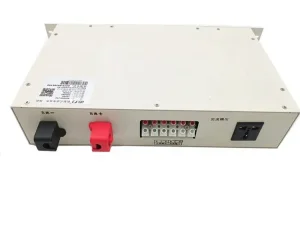
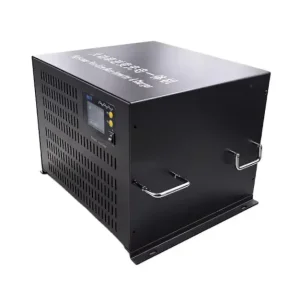
| Heavy Industrial & Telecom Off-Grid | High Voltage Pure Sine Wave Inverter | 380V DC to 220V AC (or 96V DC) | Custom Multi-Stage Bus Charging | SGS Test Reports, CE |
How next-generation semiconductor physics and microcontroller software are lowering unit manufacturing costs while elevating power conversion capabilities.
The power electronics sector is undergoing a massive transformation. Historically, acquiring a reliable "3-stage intelligent battery charger" meant paying a premium for heavy, copper-wound transformers and bulky discrete analog circuits. Today, technological advancements have significantly collapsed BOM (Bill of Materials) costs, enabling suppliers to export high-performance hardware at competitive price points.
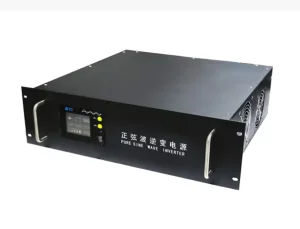
Silicon Carbide (SiC) and Gallium Nitride (GaN) power MOSFETs allow switching frequencies to increase exponentially. Higher switching speeds reduce the required physical size of magnetic inductors and capacitors by up to 40%, directly lowering raw material costs while achieving 95%+ conversion efficiency in rack-mounted high-frequency inverters.
Replacing fixed hardware feedback loops with high-speed 32-bit microcontrollers allows factory-programmed algorithm adjustments. A single physical PCB design can now seamlessly execute custom 3-stage charge curves for Lead-Acid, AGM, Gel, and Lithium Iron Phosphate (LiFePO4) chemistries via software configurations.
Modern B2B buyers expect integrated LCD displays, remote panel control inputs, and RS485 / CAN-bus telemetry protocols. This allows real-time monitoring of charge current, battery state-of-health, terminal temperature, and error fault tracking directly from centralized vehicle control dashboards.
From rugged overland travel trailers to critical medical transport vehicles, examine how 3-stage charging topologies perform across localized operational environments.
Deployment Challenge: Extreme operational ambient temperatures, high continuous vibration, and mixed load types (inductive air conditioners + sensitive DC LED lights).
Recommended Solution: Low-frequency pure sine wave inverter chargers with heavy-duty toroidal transformers. The 3-stage intelligent charger recharges auxiliary battery banks when plugged into shore power or generator feed, automatically switching seamlessly between AC mains and battery power via internal transfer relays.
Deployment Challenge: Must maintain dual battery banks (engine starter battery + auxiliary medical gear battery) without risking main chassis starter failure.
Recommended Solution: Integrating smart 12V 200A–400A automatic dual battery isolators alongside 3-stage smart battery chargers. The isolator decouples battery banks during engine shutoff and automatically merges them for high-amp alternator charging once the alternator reaches safe system voltage.
Deployment Challenge: Unreliable grid power, heavy pump motors, and exposure to dust and ambient humidity.
Recommended Solution: All-in-one low-frequency hybrid solar pure sine wave inverters with built-in 60A MPPT controllers and heavy aluminum extruded heat-sink housing. 3-stage charging management optimizes energy harvested from solar arrays while extending deep-cycle storage life.
Anticipating technological convergence in multi-stage power conversion, micro-inverter architectures, and next-generation energy storage interfaces.
As commercial clean energy ecosystems mature, 3-stage power conversion hardware is moving beyond static charging profiles toward adaptive, self-learning power electronics. Enterprise buyers sourcing cheap 3 stages suppliers must evaluate manufacturer R&D pipelines across four critical milestones:
Next-generation 3-stage chargers analyze battery internal resistance in real time during the bulk phase. By injecting micro-high-frequency voltage pulses, intelligent microprocessors dynamically adjust absorption parameters based on cell degradation state and temperature elevation.
The boundary between dedicated battery chargers and power inverters is blurring. Future low-frequency and rack-mounted high-frequency platforms will feature bi-directional power flow, enabling vehicle battery packs to feed energy back into building microgrids during peak-tariff hours.
As commercial solid-state batteries move from laboratory validation to commercial production, 3-stage charging curves will shift away from legacy lead-acid voltage points toward higher nominal cell thresholds with strict thermal safety limits.
How Suzhou Maili Electrical Appliance Co., Ltd. delivers factory-direct cost advantages backed by ISO 9001:2015 engineering rigor and complete customization flexibility.
Founded in 2012, Suzhou Maili Electrical Appliance Co., Ltd. (operating under the Pass Power brand) occupies a 2,770 m² modern manufacturing facility in Suzhou, China. By controlling every stage of assembly—from SMT surface mounting and toroidal transformer winding to burn-in full-load testing—Maili provides global B2B clients with true factory-direct OEM pricing without compromising performance standards.
We provide comprehensive OEM/ODM engineering across eight core areas: DC input voltage tailoring (12V to 380V DC), output AC voltage/frequency tuning, customized AC socket standards, communication protocol mapping, specialized housing aluminum color coatings, input pin setups, LED/LCD user interface branding, and charge current range selection.
Every inverter, 3-stage smart charger, and dual battery isolator is manufactured under strict quality management. Products carry official CE, RoHS, CB, SAA, IP30 ratings, and third-party SGS inspection reports, ensuring frictionless customs clearance and long-term operating safety in global markets.
Unlike trading entities, Maili's dedicated R&D team provides direct engineering support for non-standard voltage configurations (such as custom 96V DC low-frequency inverters or 380V DC high-voltage systems), short turnaround sample prototyping, and scalable mass-production delivery.
Direct answers to crucial procurement, technical compliance, and integration questions for global importers and distributors.
Discover additional high-output power inverters, wind power convertors, and 3-stage smart chargers for global enterprise supply contracts.