


High-reliability power conversion and battery isolation platforms certified to ISO 9001, CE, CB, and RoHS standards for worldwide distribution.
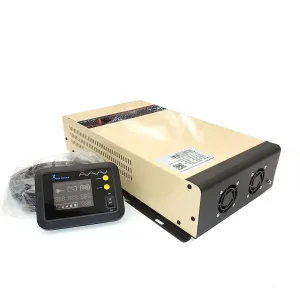
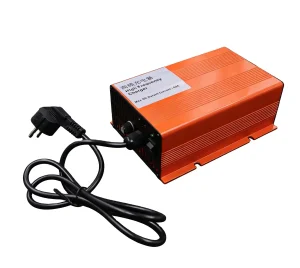
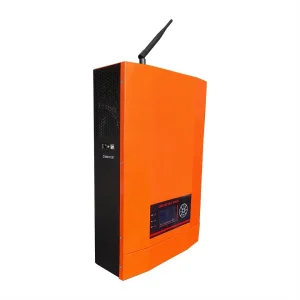
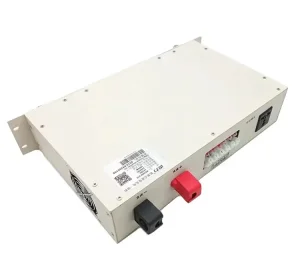
An exhaustive technical evaluation of modern multi-battery power management, solid-state switching topologies, and OEM/ODM manufacturing standards for off-grid, marine, and commercial vehicle platforms.
In modern automotive, marine, recreation vehicle (RV), and emergency response engineering, the auxiliary power subsystem has undergone a profound paradigm shift. Historically, simple mechanical relays and manual battery disconnect switches were deployed to segregate starting batteries from auxiliary house loads. However, the rapidly escalating onboard electrical demand—driven by high-output high-frequency inverters, heavy inductive winch motors, advanced telematics, and high-capacity Lithium Iron Phosphate (LiFePO4) energy storage—has rendered conventional isolation mechanisms obsolete.
Global procurement teams and fleet engineers are increasingly seeking specialized Custom Dual Battery Isolator Suppliers & Factories capable of providing high-ampere solid-state isolators and micro-controller-driven Voltage Sensitive Relays (VSR). The worldwide demand for custom dual battery isolators is projected to expand at a Compound Annual Growth Rate (CAGR) exceeding 8.4% through 2030, accelerated by electrification trends in commercial work trucks, overland expedition rigs, and marine auxiliary power systems.
Selecting the optimal battery isolation technology requires a comprehensive understanding of semiconductor physics, thermal dissipation dynamics, and voltage regulation behavior under severe alternator load dump conditions.
| Engineering Attribute | Traditional Diode Isolators | Electromechanical VSR | Solid-State MOSFET Isolators |
|---|---|---|---|
| Forward Voltage Drop | 0.7V – 1.2V (High Power Loss) | 0.00V (Contact Resistance Only) | < 0.02V (Ultra-Low Rds(on)) |
| Thermal Generation | Extremely High (Requires Heavy Heatsink) | Negligible (Mechanical Relay) | Minimal (Active MOSFET Cooling) |
| Contact Wear & Arcing | None (Solid State) | High (Mechanical Contacts Degradation) | None (Infinite Switching Cycles) |
| Smart Logic & Microprocessor | No Logic (Passive Diode) | Basic Threshold Switching | Advanced Programmable MCU / CAN-bus |
| Dual Chemistry Support | Poor (Inaccurate Charging) | Moderate (Fixed Engage Voltages) | Superior (Adaptive LiFePO4 Profile) |
How tier-1 distributors, vehicle body builders, and system integrators evaluate factory capabilities for enterprise-grade battery isolation projects.
Commercial buyers require isolators rated for continuous operation at 100A, 140A, 200A, or up to 500A peak surge. Factories must incorporate high-spec copper busbars and automotive-grade MOSFET arrays capable of enduring extreme short-circuit surge spikes during engine cranking without latching up or thermal runaway.
With house battery chemistries transitioning rapidly from flooded lead-acid and AGM to Lithium Iron Phosphate (LiFePO4), modern isolators must feature dual-direction sensing, configurable cut-in (e.g., 13.3V) and cut-out (e.g., 12.8V) thresholds, and intelligent override logic to prevent unwanted alternator loading.
Under-hood and marine chassis mounting environments expose electronics to engine oil, salt spray, sub-zero ambient temperatures, and extreme vibration. Tier-1 suppliers utilize full epoxy potting compound encapsulations achieving strict IP68 ingress protection and SAE J1455 automotive vibration compliance.
As a premier power electronics manufacturer backed by ISO 9001:2015 certified production lines in Suzhou, our engineering team offers comprehensive white-label and full-custom ODM design paths. Our manufacturing capabilities encompass eight primary hardware and software customization dimensions:
Integrating custom dual battery isolators, high-frequency pure sine wave inverters, and multi-stage smart battery chargers into seamless power eco-systems.
In RV and campervan electrical designs, the engine alternator serves as a critical primary charge source while driving. Our custom VSR and solid-state isolators interface between the 12V engine starter battery and the secondary house LiFePO4 bank. When the alternator activates and vehicle voltage rises above 13.3V, the isolator engages automatically, transferring charge current to the house battery. Once the engine shuts off, the isolator disengages within milliseconds as voltage drops below 12.8V, protecting the main starter battery from being drained by house loads such as refrigeration, lighting, or high-capacity low-frequency inverter chargers.
Saltwater marine environments demand total isolation between engine cranking batteries and auxiliary navigation/house battery banks. A custom marine dual battery isolator prevents auxiliary bilge pumps, radar, and communications equipment from depleting the engine battery. Featuring IP68 hermetically sealed potting and tinned copper hardware, these isolators resist galvanic corrosion and withstand severe high-humidity marine environments.
Ambulances, fire engines, and utility service vehicles maintain heavy electrical loads including scene lighting, medical equipment, telemetry, and high-wattage pure sine wave inverters. Our high-ampere dual battery isolators ensure that mission-critical starting systems remain completely protected while providing maximum available alternator current to secondary battery banks powering equipment onboard.
When combined with all-in-one hybrid solar MPPT inverters and 3-stage intelligent battery chargers, dual battery isolators form the backbone of hybrid vehicle power systems. Solar PV arrays charge the house bank directly via MPPT controllers, while the custom isolator conditionally routes excess charge back to top off the starting battery once the house bank achieves full float charge status.
Rigorous testing methodologies and international certification standards ensuring seamless customs entry and regulatory compliance across target markets.
Every dual battery isolator and power converter undergoes stringent IQC (Incoming Quality Control), IPQC (In-Process Quality Control), and 100% full-load thermal burn-in testing prior to export packaging.
Our product lineup meets European CE electromagnetic compatibility (EMC EN 61000-6-1/3) directives, RoHS hazardous substance restrictions, and automotive E-Mark certifications required for OEM vehicle integration in EU markets.
Environmental testing protocols include environmental thermal shock (-40°C to +85°C), salt spray corrosion testing (ASTM B117), and full immersion water ingress testing to guarantee IP68 compliance.
The future of battery isolation and charge distribution is rapidly converging with IoT connectivity and vehicle digital networks. Our engineering team is currently developing next-generation intelligent power management architectures featuring:
Detailed technical answers to common B2B procurement, installation, and engineering questions regarding custom dual battery isolators and power electronics.
Explore our full line of low-frequency transformers, pure sine wave power inverters, and multi-stage intelligent chargers engineered for global distribution.
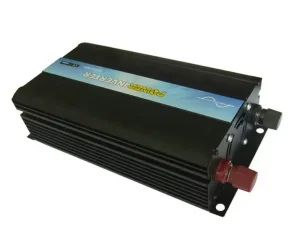
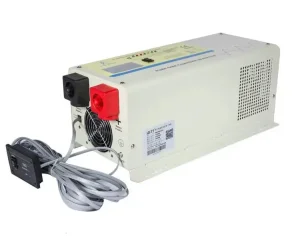
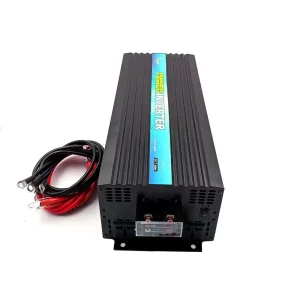
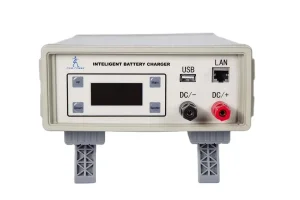
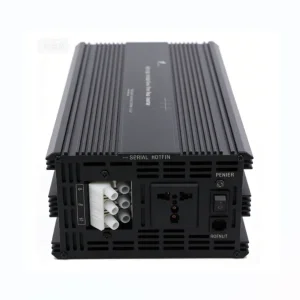
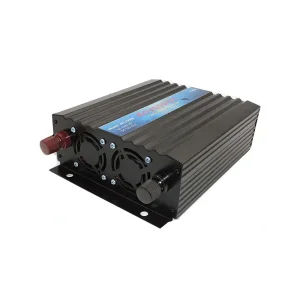
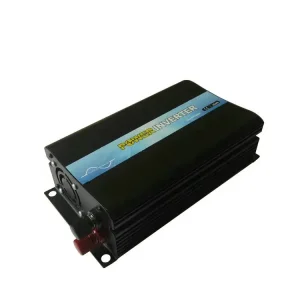
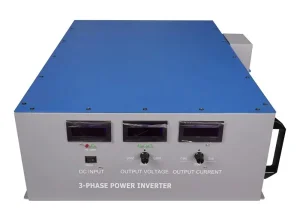
Take advantage of factory-direct pricing, robust engineering support, and rapid prototyping for custom dual battery isolators, power inverters, and intelligent battery chargers.
